





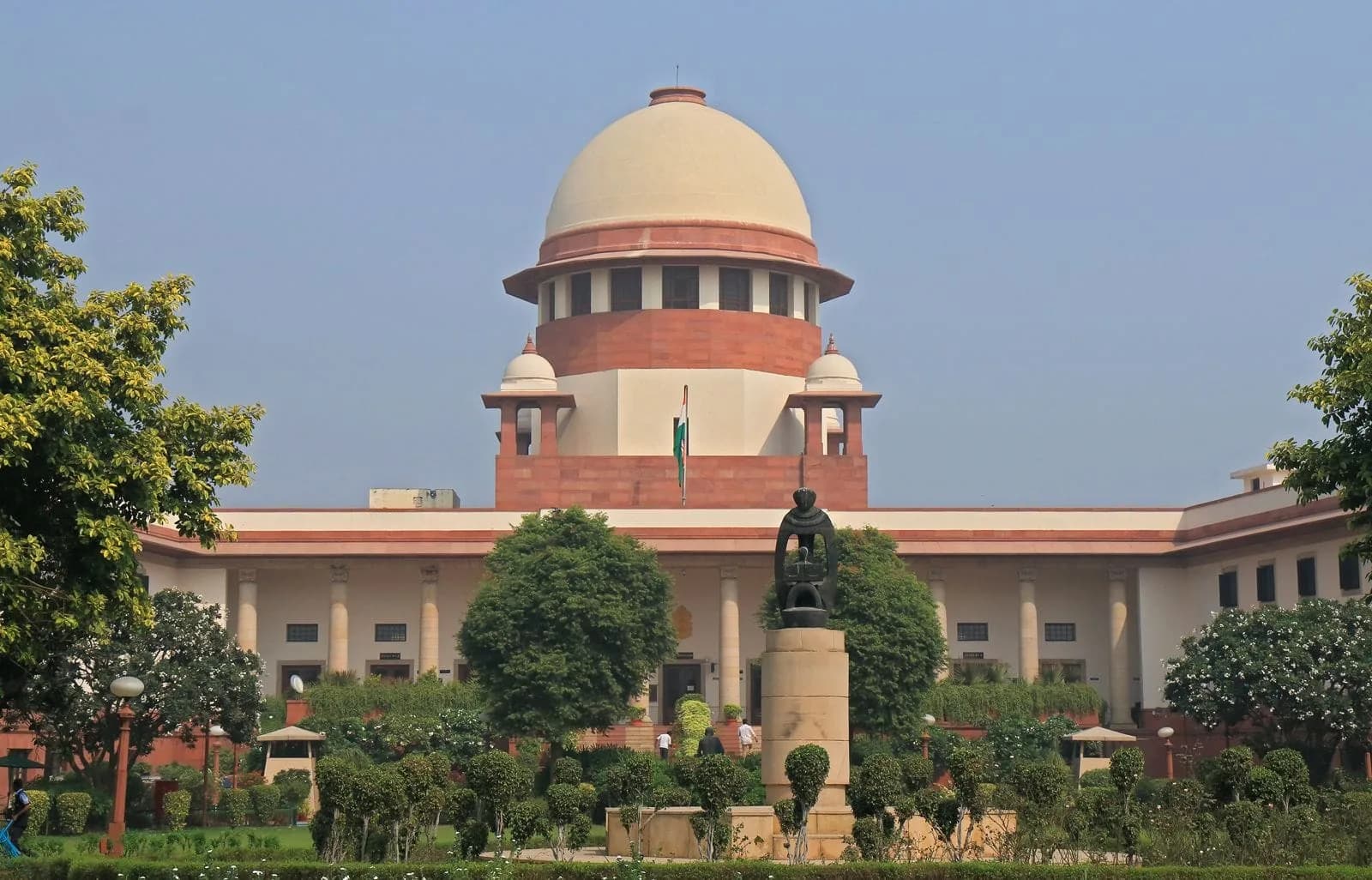





















The Supreme Court on Thursday expressed concern over the Central Board of Secondary Education’s (CBSE) decision to make the study of a third language compulsory from Class 9, observing that the change could add to the academic pressure students already face before their board examinations.
The remarks came during the hearing of a petition linked to the establishment of Jawahar Navodaya Vidyalayas (JNVs) in Tamil Nadu, where the broader debate over the National Education Policy’s three-language formula also came up.
Bench raises concerns over timing
Justice BV Nagarathna questioned why a new language was being introduced at a stage when students begin preparing for Class 10 board exams.
“No that is very bad. 9th standard is stressful. Why do you introduce a new language in 9th? You introduce it in 6th. When we were there in our school we had both ICSE and SSLC. We were taught both syllabus. Only at the end of 9th standard we had to select,” she observed, according to Live Law.
The judge also referred to her own school experience while explaining how students were gradually prepared for board examinations.
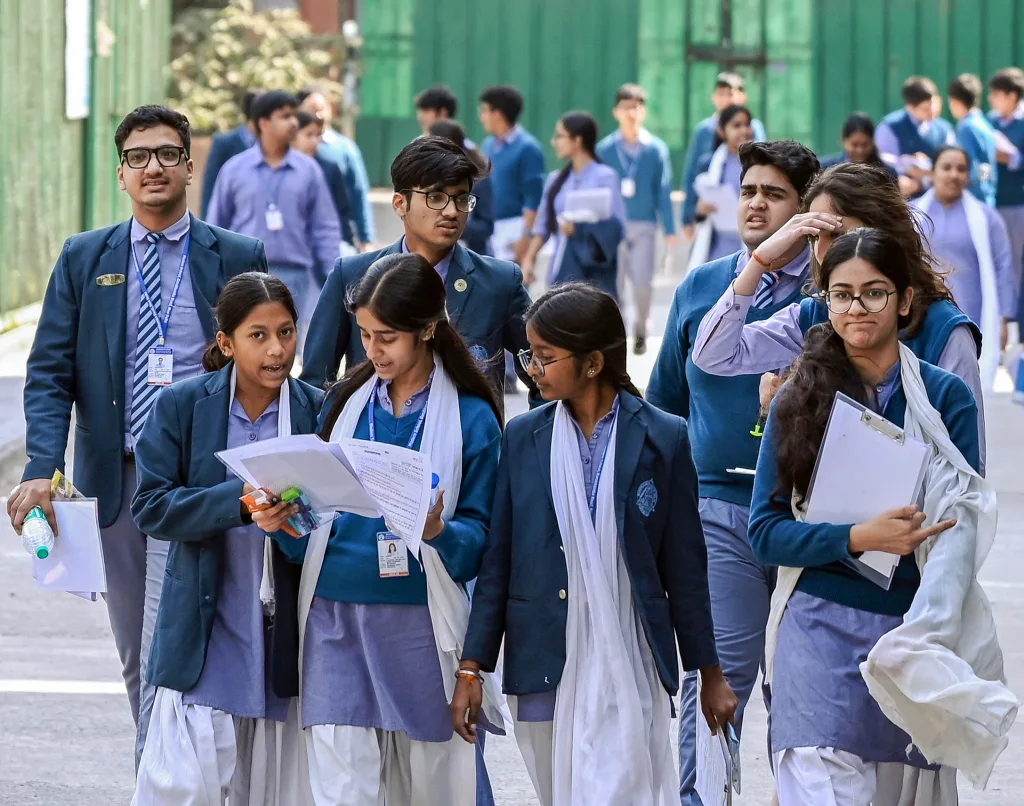
She further said, “… Union of India please don’t have 3rd language in 9th standard. CBSE ICSE State board 10th standard is a board exam. From the end of 8th standard onwards, the pressure starts. The chapter on Light which was in SSLC 10th standard was taught to us in 8th standard ICSE. Prepairing for us for 10th.”
CBSE has clarified that while a third language will be compulsory from Class 9, there will be no Class 10 board examination for that language.
Tamil Nadu’s appeal before the court
The observations came during the hearing of Tamil Nadu’s appeal against a Madras High Court order directing the establishment of a Jawahar Navodaya Vidyalaya in every district of the state.
The High Court had held that denying permission for JNVs limited students’ educational choices and asked the state to provide temporary arrangements for students until permanent schools were built. The Supreme Court stayed that order in 2017 after the Tamil Nadu government challenged it.
Court asks parties to avoid language dispute
During Thursday’s hearing, senior advocate P Wilson, appearing for the Tamil Nadu government, argued that the Centre should follow the state’s two-language policy instead of the three-language approach under the National Education Policy.
As the Centre began responding, the bench urged both sides not to turn the matter into a language dispute. The court had made a similar observation during earlier proceedings, encouraging discussions between the Union government and Tamil Nadu instead of treating the issue as a political or linguistic confrontation.
FAQs:
Why did the Supreme Court question CBSE’s Class 9 language policy?
The court said introducing a new language in Class 9 could increase stress as students begin preparing for board exams.
Will there be a Class 10 board exam for the third language?
No. CBSE has clarified that there will be no Class 10 board examination for the compulsory third language.
