





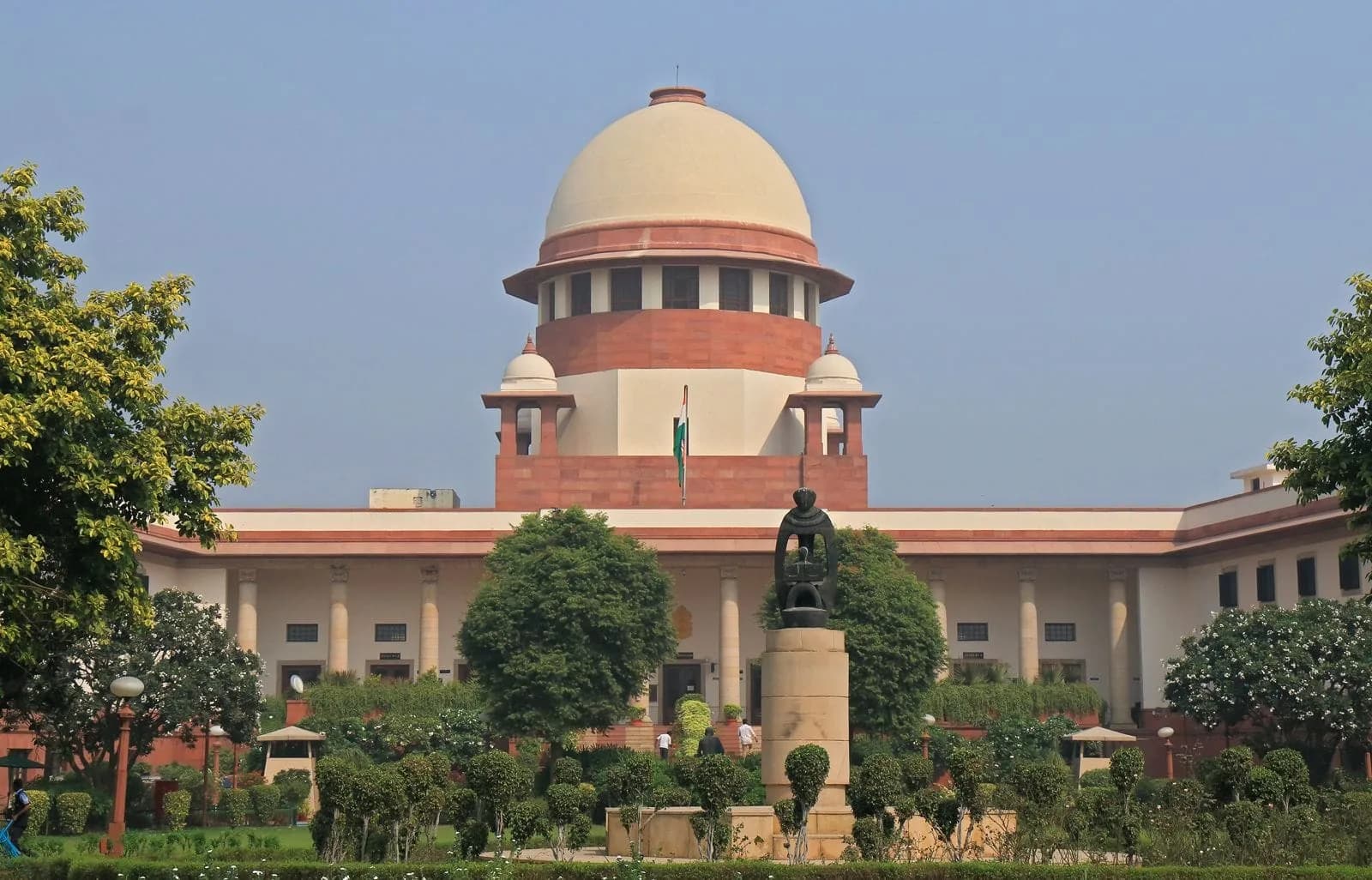











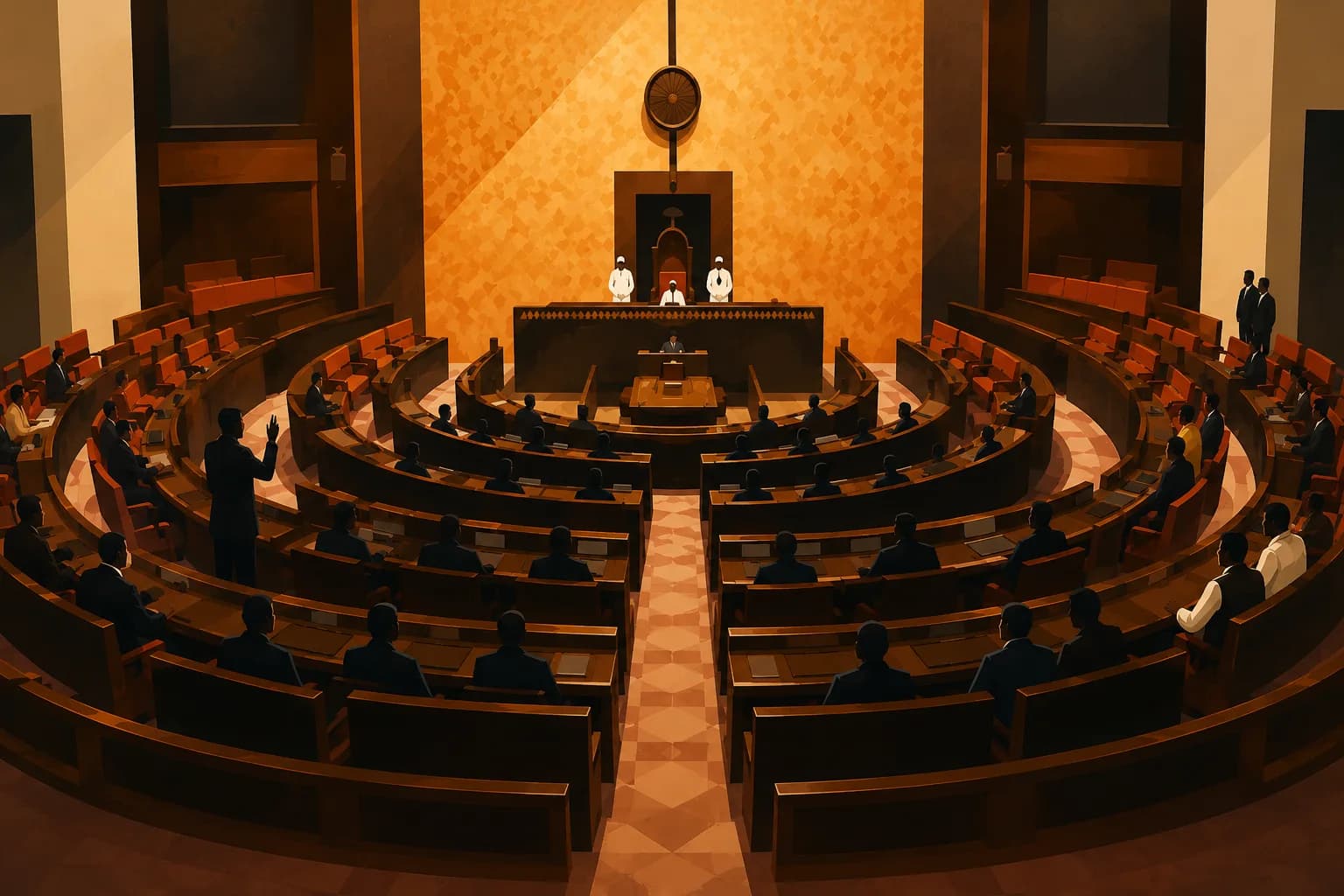






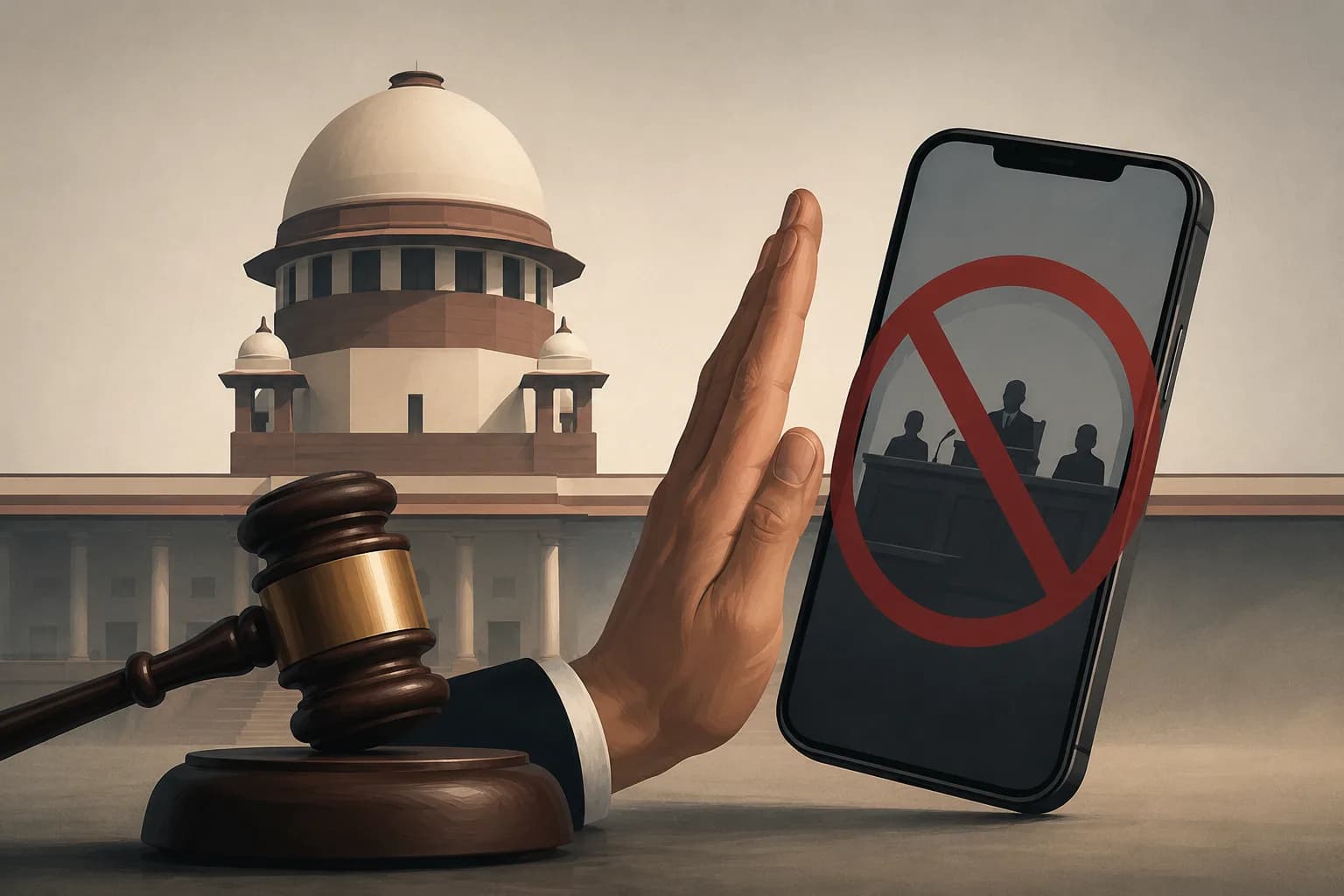
The Supreme Court on Friday passed an interim order restricting the online circulation of audio-video recordings of judicial proceedings, saying such material cannot be posted, reposted, uploaded, edited or monetised on social media or other digital platforms without prior approval from the concerned court.
The bench, led by Chief Justice of India (CJI) Surya Kant and comprising Justices Joymalya Bagchi and V. Mohana, said the direction was intended to address the misuse of livestreamed hearings while making it clear that the restriction would not affect news reporting.
Also Read | Bill to raise Supreme Court judges’ strength to 38 tabled
🚨 BREAKING! Supreme Court Bans Uploading & Sharing of Court Hearing Recordings Without Permission 🤯
— The Analyzer (News Updates🗞️) (@Indian_Analyzer) July 24, 2026
-> No more cour clips on X🎯
Petition highlighted how DeContexualised clips UNDERMINE court dignity & erode "public trust" in justice system😳
One advocate noted recent viral… pic.twitter.com/CdReFJMGEl
A careful line in the legal sand
The order was passed while hearing a public interest litigation filed by journalist Harshita Grover, who sought guidelines to regulate the clipping, editing, dissemination and monetisation of court recordings on digital platforms.
According to the plea, open access through livestreaming and videoconferencing was introduced to promote transparency, but the absence of safeguards has allowed hearing clips to be shared out of context, often with misleading captions and commercial intent.
The petition said such circulation can expose judges, lawyers and litigants to trolling, vilification and reputational harm, while also eroding public confidence in the justice system.
STORY | SC bars posting, uploading court proceedings on social media without prior permission
— Press Trust of India (@PTI_News) July 24, 2026
The Supreme Court on Friday barred posting, reposting or uploading of audio-video recordings of court proceedings on social media and other digital platforms without prior permission of… pic.twitter.com/YwRZNJ40wq
A touch too public for comfort
During the hearing, the bench and lawyers pressed the point that unrestricted reposting of courtroom videos raises both technical and institutional risks.
Justice Bagchi said the court could not allow its proceedings to become a “24×7 entertainment channel” and described unchecked circulation of clips as a “demon out of the bag”.
He also said that if livestreaming or audiovisual material is to be shown, it should be with permission from the Secretary General of the Supreme Court or the Registrar General of the relevant High Court.
The bench said online access links for virtual hearings are also being shared indiscriminately and need regulation.
Supreme Court directs that there shall be no extraction, modification, dissemination, posting or reposting and uploading of live-streamed court proceedings on social media and other digital platforms without prior permission of Secretary General of Supreme Court and Registrar…
— ANI (@ANI) July 24, 2026
Has a modern menace caught up with an old institution?
The court also took note of concerns raised by Solicitor General Tushar Mehta over the use of artificial intelligence to manipulate courtroom videos.
According to the submissions recorded by LiveLaw, he warned that edited clips could be altered in a way that changes spoken words while keeping the lip movement intact.
The bench, meanwhile, reiterated that the order was not a gag on free speech and would not interfere with legitimate reporting of court proceedings.
The Supreme Court also issued notice to the petition, impleaded all high courts, asked the union government to propose the nodal ministries that could implement the relief sought, and directed the high courts to report on the adoption of the court’s livestreaming guidelines.
It further asked the secretary general of the Supreme Court and the registrar general of high courts to place the order on their websites.
Also Read | Supreme Court asks CBSE to add APAAR ID opt-out option: Here’s what it means
FAQs
Q1: Why did the Supreme Court ban sharing court hearing videos on social media?
The Supreme Court said unauthorised sharing, editing and monetisation of court hearing recordings could lead to misuse and directed that such content cannot be circulated without prior permission.
Q2: Does the Supreme Court’s order stop media from reporting court proceedings?
No, the Supreme Court clarified that its interim order does not restrict news reporting and applies only to the unauthorised sharing of audio and video recordings of court proceedings.
