





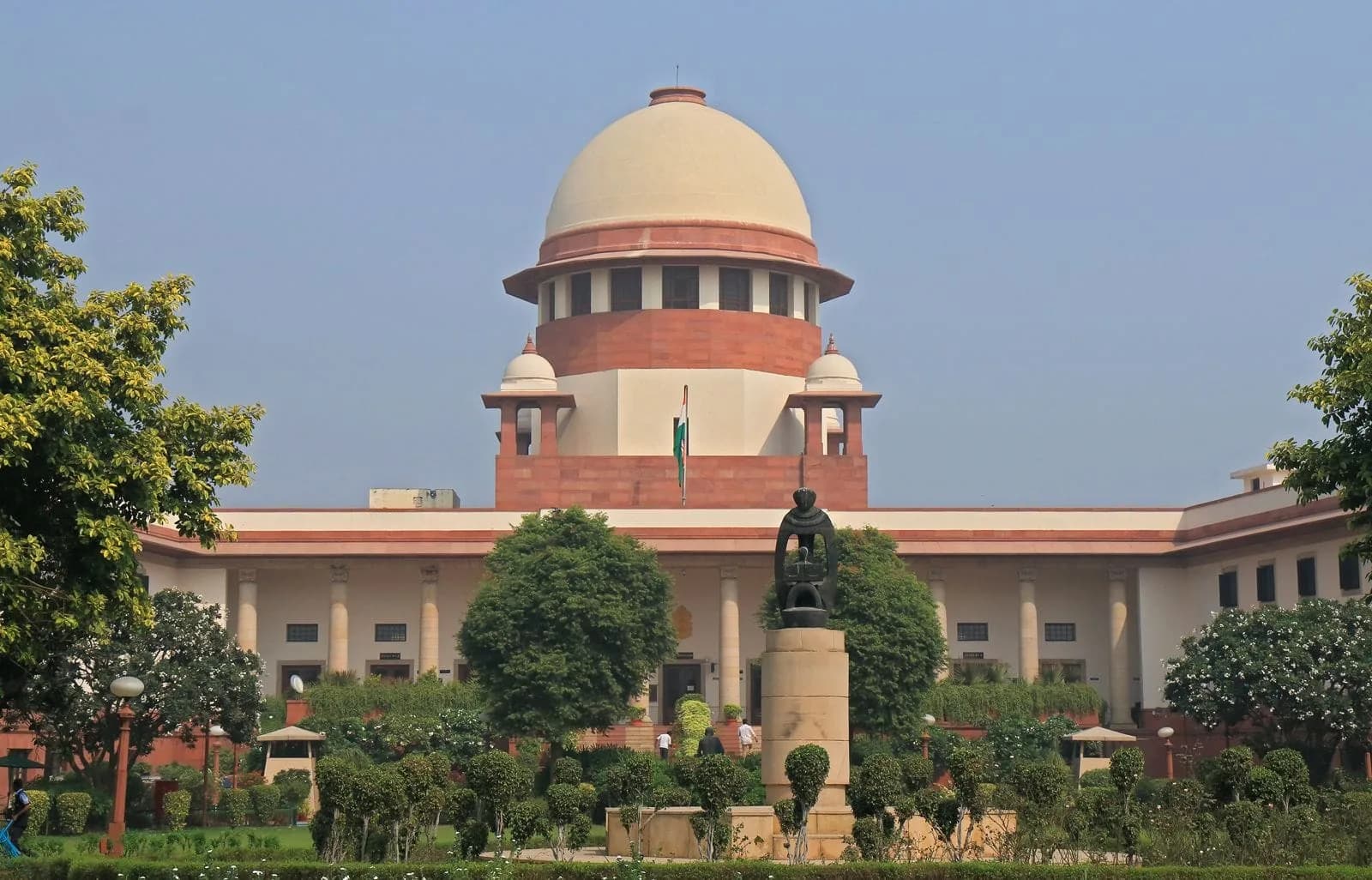


















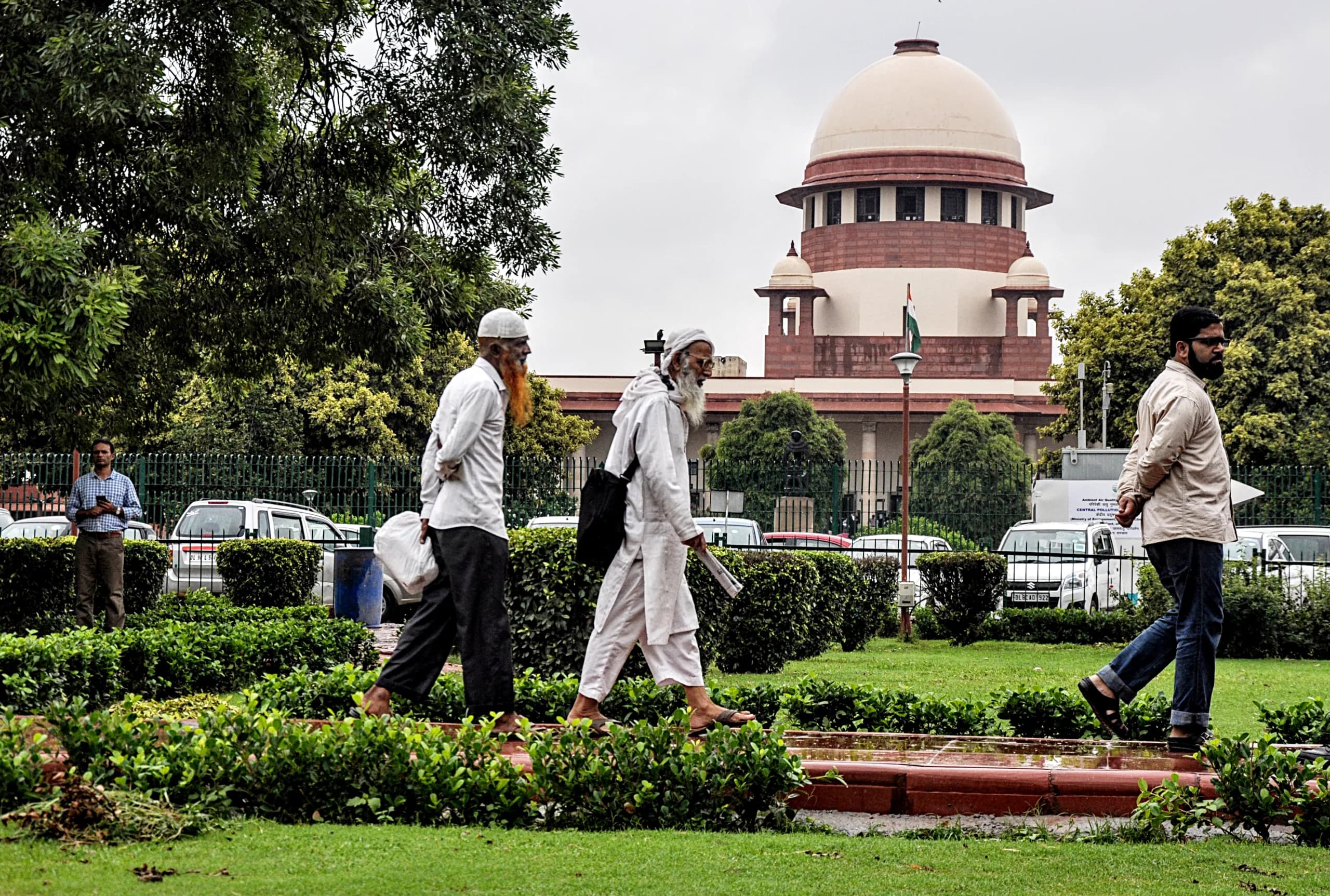
The Supreme Court on Friday reiterated that deletion of a person’s name from the electoral roll does not automatically result in the loss of Indian citizenship. The court observed that while the Election Commission of India (ECI) has the authority to revise electoral rolls, any question regarding citizenship must be decided by the Central government through the appropriate legal process.
The observation came while a bench headed by Chief Justice of India Surya Kant heard a petition seeking faster disposal of appeals filed by West Bengal voters whose names were allegedly removed from the electoral roll during the Special Intensive Revision (SIR) exercise.
Also Read | Courtroom disruption: Supreme Court restricts live streaming for litigants appearing physically
What did the Supreme Court say?
A bench comprising Chief Justice Surya Kant and Justices Joymalya Bagchi and V. Mohana said its earlier judgment on the Bihar SIR exercise clearly distinguished electoral roll management from citizenship determination.
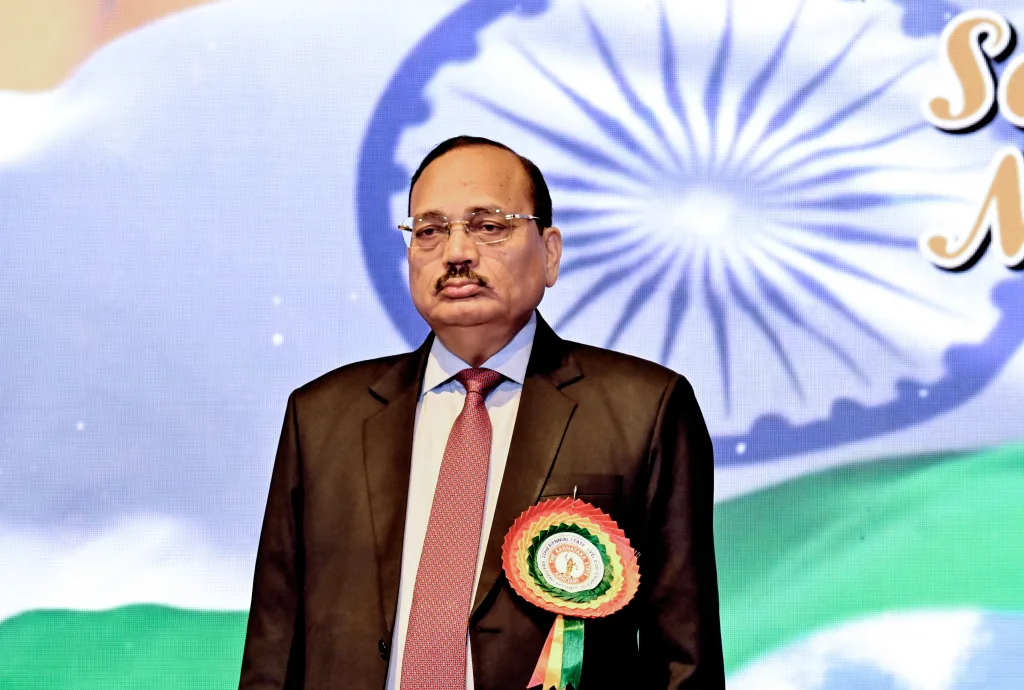
“Our judgment is clear. The Election Commission of India has full control over the electoral roll. However, that does not result in loss of citizenship per se. They have a corresponding duty to refer it to the ministry of the Central government department for adjudication of the citizenship status,” the bench observed.
The court issued notice on the petition and tagged it with other pending matters concerning the SIR exercise in West Bengal.
Why was the petition filed?
The petition was filed by Prasenjit Bose of the West Bengal Pradesh Congress Committee and argued by senior advocate Gopal Sankaranarayanan, assisted by advocate Neha Rathi.
According to the petitioner, nearly 3.4 million appeals filed by voters excluded during the SIR exercise remain pending. The plea sought a time-bound mechanism for disposal of these appeals and requested that the number of appellate tribunals be increased from 19 to at least 42.

Sankaranarayanan also submitted that despite the Supreme Court’s earlier clarification, some West Bengal government welfare benefits, including those under the Public Distribution System (PDS) and the Annapurna cash transfer scheme, were allegedly denied to people whose names had been removed from the electoral roll.
Also Read | SC clears Jagannath film release after Rath Yatra ends
The bench noted that while the standard operating procedure (SOP) for the tribunals was an internal administrative matter, the concern regarding the pace of disposal of appeals required consideration.
With West Bengal’s local body elections expected later this year, the court agreed to hear the matter along with other pending petitions on the SIR exercise next month.
FAQs
Q1. Does deletion from the electoral roll mean loss of Indian citizenship?
No. The Supreme Court has clarified that removal from the electoral roll does not automatically result in the loss of Indian citizenship.
Q2. What did the Supreme Court direct the Election Commission to do?
The court said that if citizenship questions arise after deletion from the electoral roll, the Election Commission must refer such cases to the appropriate Central government authority for adjudication.
