





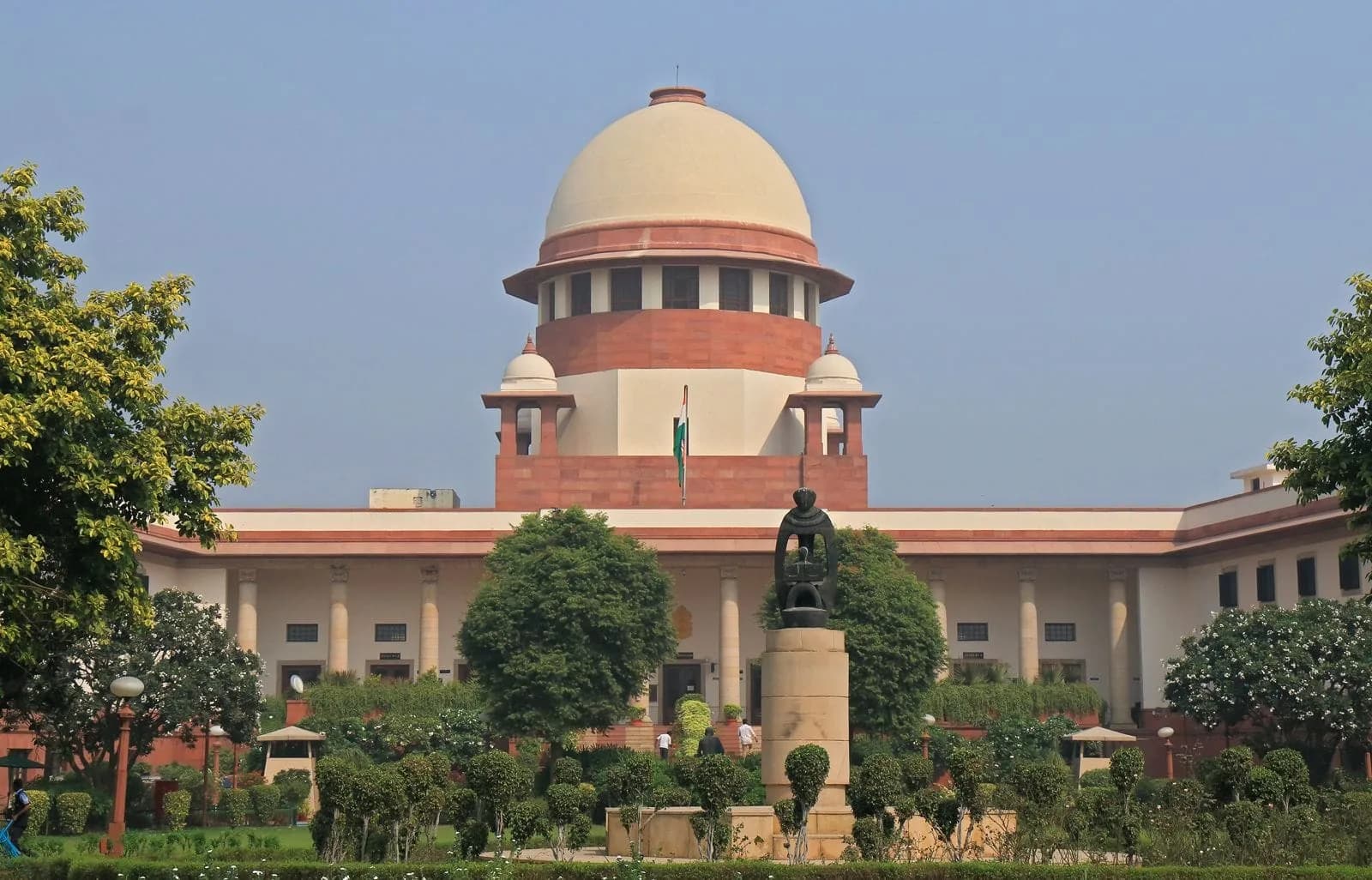





















The Centre on Monday introduced the Supreme Court (Number of Judges) Amendment Bill, 2026 in the Lok Sabha, proposing to increase the sanctioned strength of the Supreme Court from 34 to 38 judges, including the Chief Justice of India (CJI). The Bill seeks to replace an ordinance promulgated by the government in May.
Introducing the legislation on the opening day of Parliament’s Monsoon Session, Union Law Minister Arjun Ram Meghwal said the expansion would help the apex court deal with the growing backlog of pending cases and improve the delivery of justice.
Also Read | Supreme Court says Electoral roll deletion doesn’t mean loss of citizenship
Why is the government increasing the number of judges?
Speaking in the Lok Sabha, Meghwal said the additional judges would enable the Supreme Court to function more efficiently and ensure faster disposal of cases.
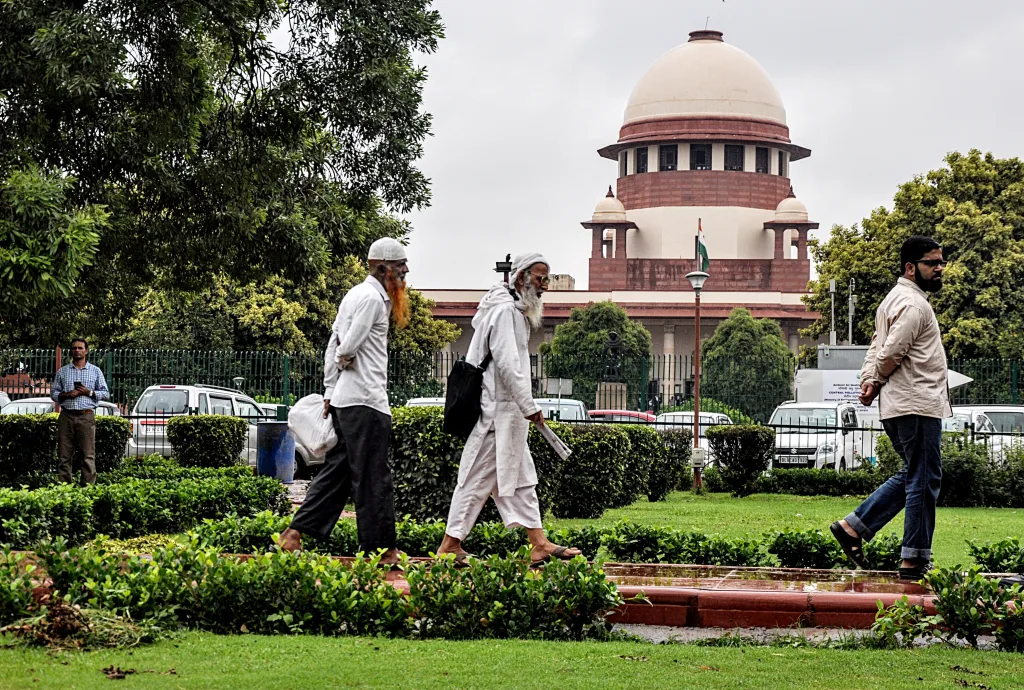
If passed, the amendment will increase the number of Supreme Court judges from 33 to 37, excluding the CJI, taking the court’s total sanctioned strength to 38.
The Lok Sabha also admitted a statutory resolution moved by the Opposition opposing the ordinance, a procedural step permitted when a Bill is introduced to replace an ordinance.
Will more judges reduce case pendency?
Under Article 124 of the Constitution, Parliament has the exclusive authority to determine the sanctioned strength of the Supreme Court. Unlike High Courts, whose strength can be revised through executive action, any change in the apex court requires parliamentary approval.
The Supreme Court (Number of Judges) Act, 1956, originally fixed the court’s strength at 10 judges, excluding the CJI. Subsequent amendments in 1960, 1977, 1986, 2008, 2019 and 2026 have gradually increased the sanctioned strength.
Appointments to the Supreme Court are made through the Collegium system, under which the Chief Justice of India and senior judges recommend names to the Union Law Ministry before they are forwarded to the Prime Minister and the President.
Also Read | Bar Council of India issues circular prohibiting social media; bans courtroom reels
However, legal experts have argued that increasing the number of judges alone may not resolve the issue of pendency. The 18th Law Commission, in its 229th Report, recommended the establishment of regional benches and a permanent Constitution Bench, while also pointing to delays in judicial appointments as a major reason behind vacancies and case backlogs.
FAQs
Q1. How many Supreme Court judges will there be after the Bill is passed?
The sanctioned strength will increase to 38 judges, including the Chief Justice of India.
Q2. Why has the Centre introduced this Bill?
The government says the additional judges are needed to improve the Supreme Court’s efficiency and reduce the growing backlog of pending cases.
