


























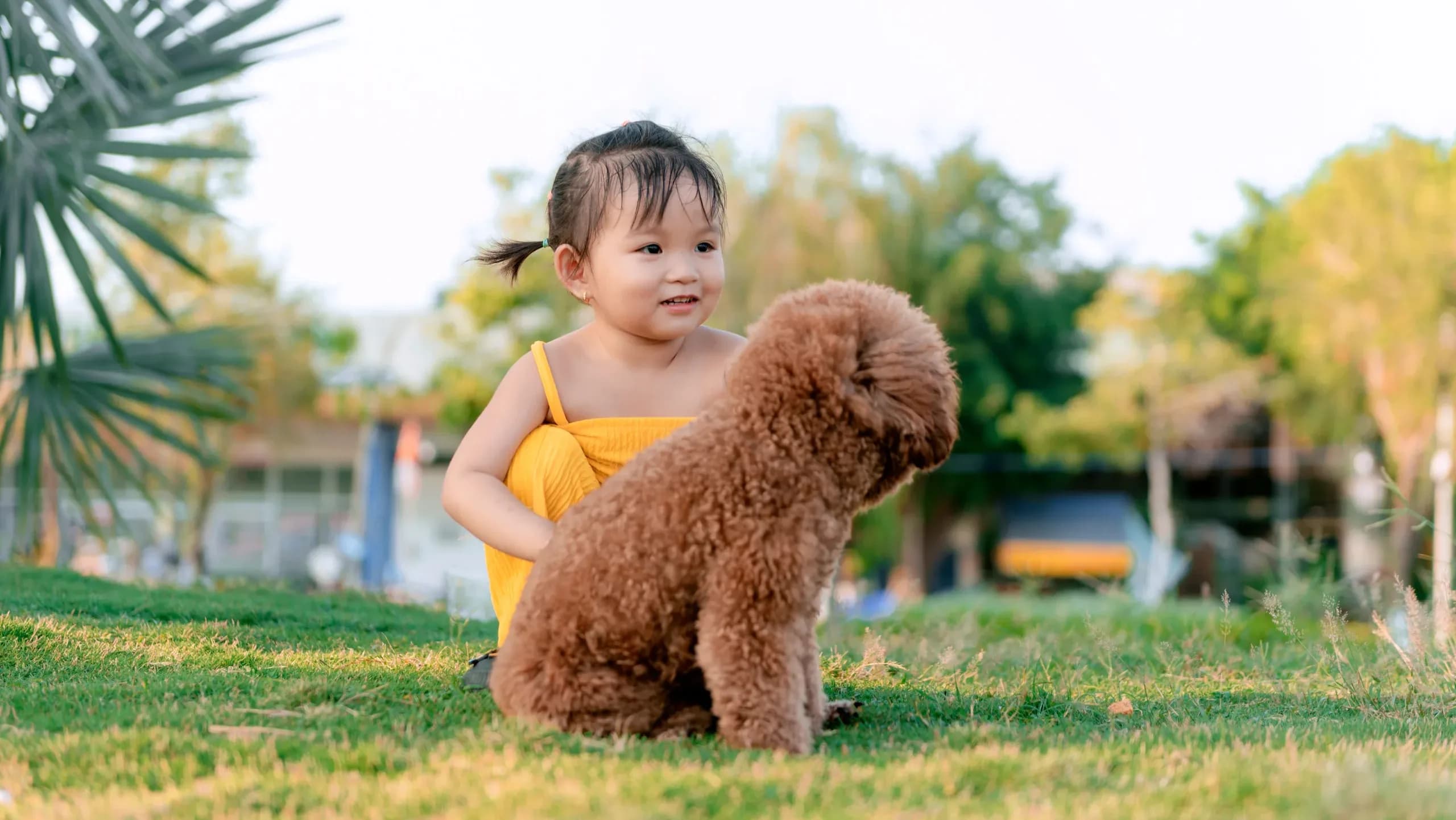
Japan’s shrinking population is no longer reflected only in government statistics. It is now reshaping everyday life and consumer markets, with pets officially outnumbering children under the age of 15 by more than two million.
As per reports by Al Jazeera, the demographic trend is forcing businesses to reengineer their baby-centric products for canines as the falling birthrate in the country changes the priorities and spending habits of households.
Also Read | Inside the luxury suite where Tom Holland is staying in Mumbai
Why are fewer Japanese having children?
According to data reported by Outlook, in 2025, the birthrate in Japan dropped by 2.2 percent compared to the prior year, and the number of births dropped to 671,236, with the fertility rate dropping to an all-time low of 1.14.
Deaths exceeded births by more than 918,000, marking the 19th consecutive year of natural population decline. Demographers now estimate that Japan’s population could shrink by around 30% to nearly 87 million by 2060, with people aged 65 and above accounting for about 40% of the population.
Experts attribute the decline to multiple factors, including rising living costs, uncertain employment, delayed marriages, demanding work culture and the challenges faced by working mothers. Increasing urbanisation and changing social attitudes have also contributed to smaller families and more single-person households.
How did pets become family members?
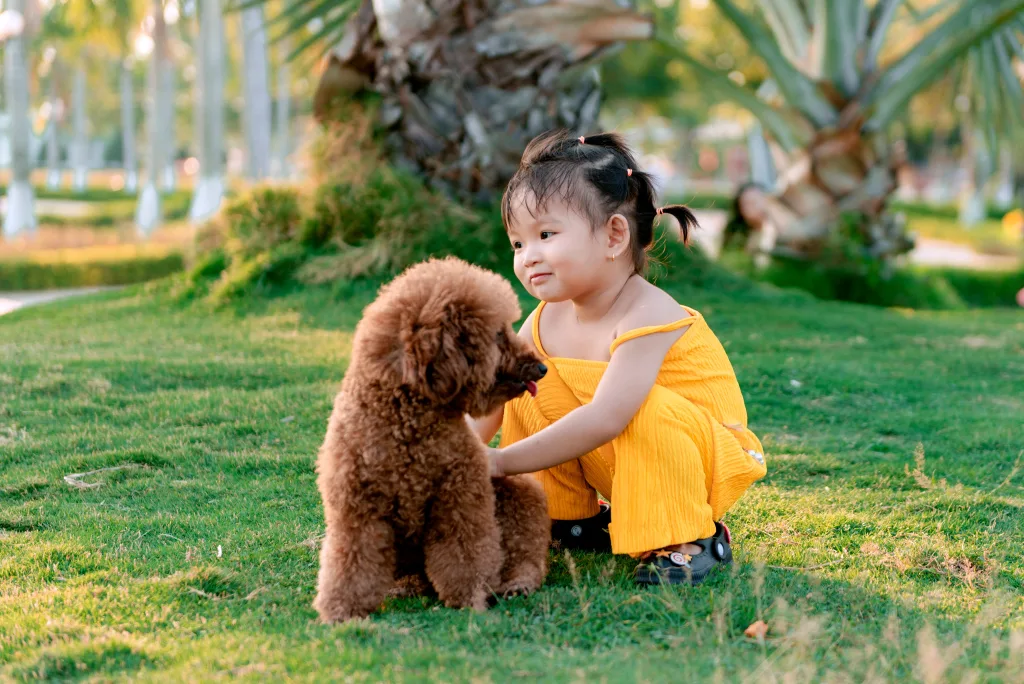
As households become smaller, pets are increasingly taking on central roles within Japanese families.
Barbara Holthus, sociologist and director of the German Institute of Japan Studies, told Al Jazeera that the trend reflects the rise of the “multi-species family.”
“Before, a dog or cat might have just been an additional family member, but with fewer other family members and fewer children in the house, the focus becomes very concentrated on this animal,” she said.
Holthus noted that pets now often provide companionship for people living alone, widowed individuals, divorced adults and only children.
How is business responding to the shift?
Japan’s changing demographics are also transforming its consumer economy.
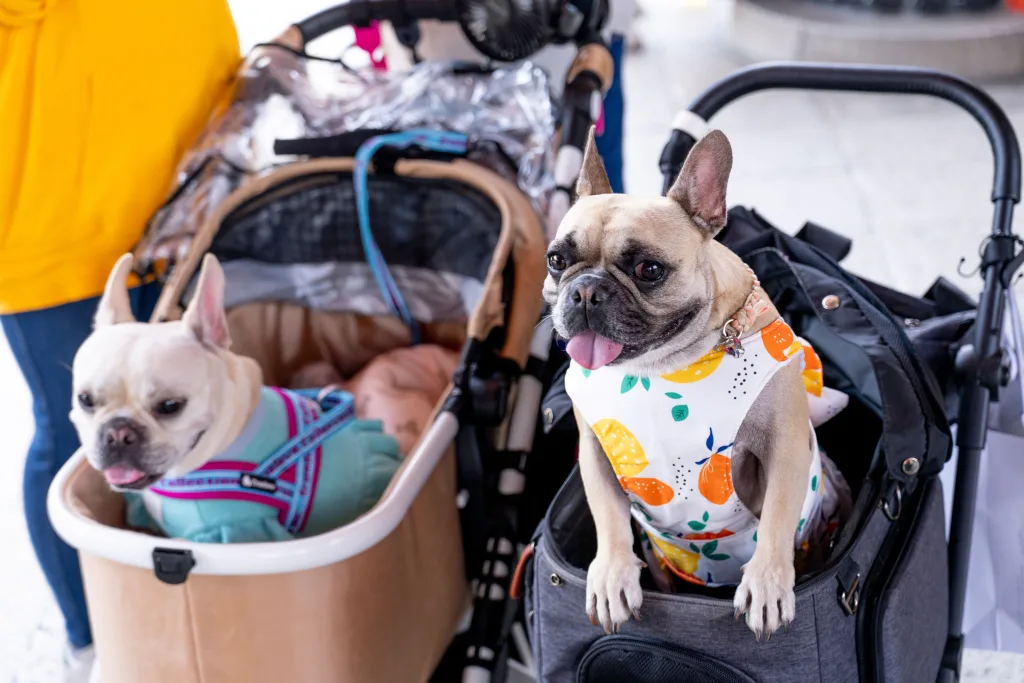
Another example of how the country’s businesses are coping with aging demographics involves Lucky Industries, a renowned Japanese maker of baby-carriers. It is worth noting that this corporation started producing pet carriers using baby carrier technology.
Moreover, other firms like Unicharm are developing pet-care departments. As mentioned above, Al Jazeera reports that the pet care market in Japan increased from 689.6 billion yen in 2020 to 880 billion yen in 2025.
Also Read | Saudi Arabia’s new Package Visa could change how Indians travel
According to industry experts, customers are ready to purchase expensive foods, medical products, traveling items and experiences intended for their pets.
The pet economy is now one of the most rapidly growing segments of Japanese consumers.
FAQs
Q1. Why there are more pets than children in Japan?
There are several reasons why Japan has more pets than children aged 14 or younger including low birth rates, an increasing number of seniors, late marriages, higher expenses and different family structures.
Q2. How the decreasing demographics affect Japanese businesses?
Many corporations switch from the manufacture of baby products to pet-care products.