
























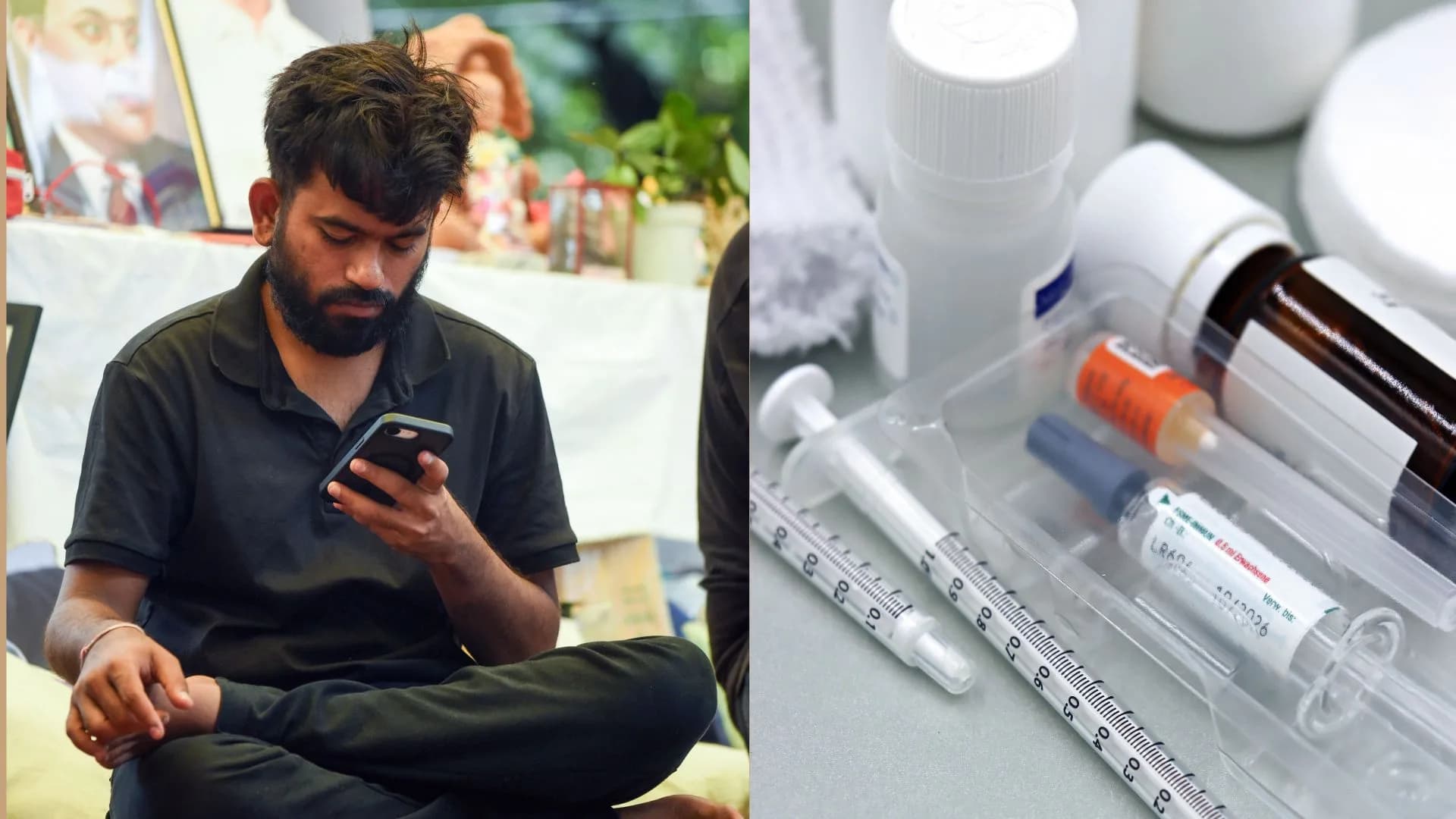
Typhoid symptoms have come into focus after Cockroach Janta Party (CJP) convener Abhijeet Dipke revealed that he has been diagnosed with the bacterial infection.
In a social media post, Dipke said, “Have been diagnosed with typhoid, but the fight will go on until Dharmendra Pradhan resigns!” He added that he is currently undergoing treatment.

Typhoid is still a widespread water-borne disease in many regions around the world, especially during the monsoon period or in places where there are no adequate sanitation facilities. Doctors claim that early detection of symptoms and appropriate treatment can prevent any complications.
Also Read | Vitamin C boost: 5 everyday drinks experts recommend adding to your diet
What are the symptoms of typhoid?
The cause of typhoid is the bacterium Salmonella Typhi that spreads via contaminated food or water sources and direct contact with an infected person.
Have been diagnosed with typhoid, but the fight will go on until Dharmendra Pradhan resigns! pic.twitter.com/8iHSZdF6K7
— Abhijeet Dipke (@abhijeet_dipke) July 25, 2026
Symptoms start developing slowly one to three weeks after infection. At the initial stage, the disease can be mistaken for the viral disease.
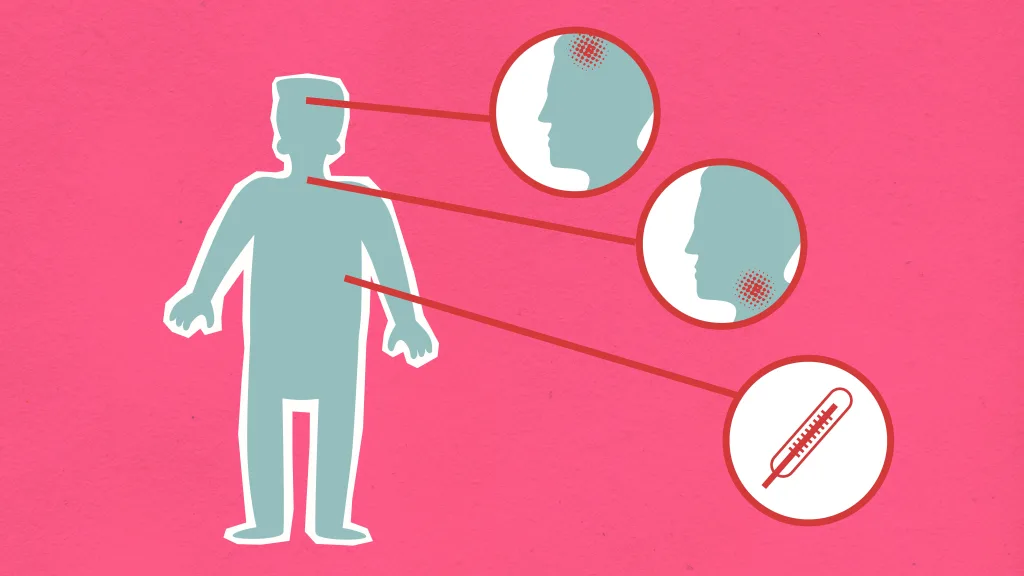
Common symptoms include:
Persistent high fever that gradually increases
Severe headache
Weakness and fatigue
Loss of appetite
Abdominal pain or discomfort
Constipation or diarrhoea
Muscle aches
Dry cough in some patients
As the disease progresses, some patients may develop confusion, extreme exhaustion and rose-coloured spots on the chest or abdomen.
How does typhoid spread and how can it be prevented?
Typhoid spreads through the faecal-oral route, usually after consuming food or water contaminated with Salmonella Typhi bacteria.
Common sources include contaminated drinking water, unhygienic street food, unwashed fruits and vegetables, and food handled by infected individuals who do not maintain proper hand hygiene.
Doctors recommend the following preventive measures:
Drink only filtered, boiled or safe drinking water.
Wash hands thoroughly before eating and after using the toilet.
Eat freshly cooked food served hot.
Avoid raw or undercooked food prepared under unhygienic conditions.
Wash fruits and vegetables properly.
Consider typhoid vaccination if travelling to high-risk areas or as advised by a healthcare provider.
Why is early treatment important?
The treatment for typhoid using antibiotics is very effective provided that it is done on time. However, if the treatment is delayed, it might cause some complications such as internal bleeding, internal rupture of the bowel, dehydration, blood infection (sepsis), and organ failure.
It is advisable to see your doctor in case the fever persists for more than two to three days especially if it is accompanied by pain in the abdomen, vomiting, diarrhoea, and feeling weak. Mentioning any travel history and any contact with contaminated food and water will be helpful in diagnosing the illness.
FAQs
What are the early symptoms of typhoid?
Symptoms include slowly developing high fever, headache, feeling weak, loss of appetite, pain in the abdomen, constipation or diarrhoea, and body aches.
Can typhoid be prevented?
Yes, drinking clean water, hand washing, fresh cooked food, washing fruits and vegetables, and taking the typhoid vaccine where applicable can protect you against this illness.