















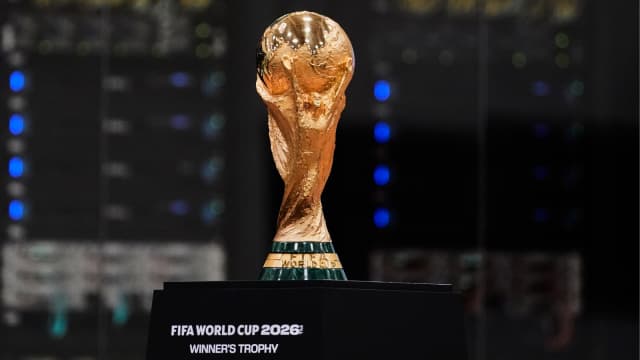








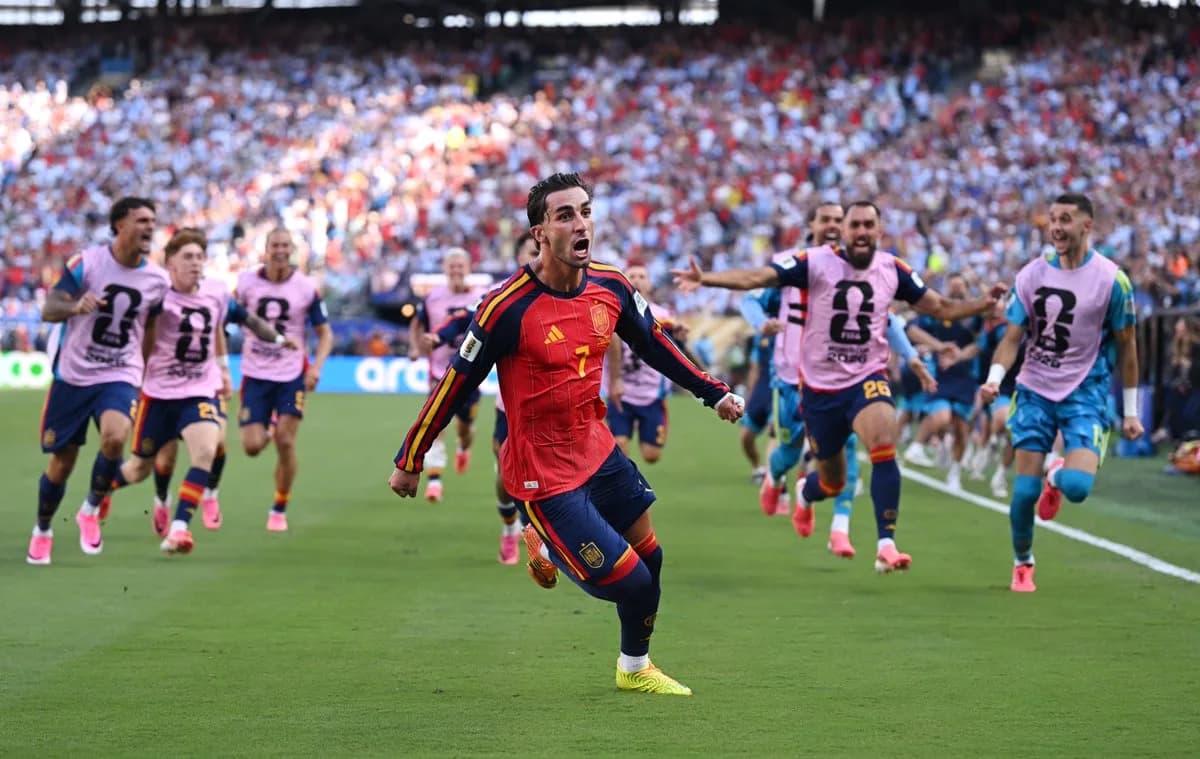
A battle more peaceful than war but no less fierce than that of it, a competition decorated with celebration, where 48 teams are aiming for the World Champion tag. That one golden trophy, the dream of the nations, was planted with care for years. A lovely journey to the World Championships, the FIFA World Cup 2026, has come to an end with Spain being crowned the champions. Spain reached their second-ever World Cup final after going undefeated for 36 straight matches; on the other hand, defending champions Argentina rose, with Messi’s step aimed at their fourth and second consecutive World Cup triumph.
🚨🚨 FERRAN TORRES OPENS THE SCORING FOR SPAIN IN THE WORLD CUP FINAL! 🤯🤯
— Tekkers Foot (@tekkersfoot) July 19, 2026
Spain 1-0 Argentina.https://t.co/IuV1gtVGkKpic.twitter.com/wLlknN9eNK
Spain, both in terms of talent and performance, boasts some of the best midfielders in modern football. They maintain their composure from the very first minute of the match, staying true to their classic playing style while relentlessly pursuing goals.
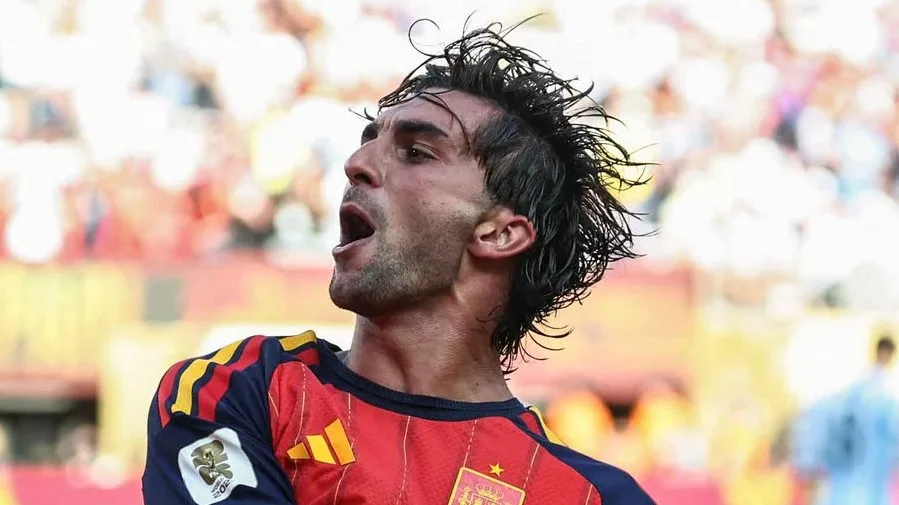
In a dramatic moment during the 106th minute, Ferran Torres scored, assisted by Nico Williams, leading Spain to victory and securing their second World Cup triumph.
Ferran Torres’s extra-time goal made Spain the World Champion
After reaching the finals in 2010 and fulfilling Andrés Iniesta’s dream, Spain reclaimed the champions’ title for the second time in 2026 with pure domination. The team, filled with fresh talent such as Lamine Yamal, Pedri, and Nico Williams, combined youthful energy with experience to maintain hope until the very end. Despite this, Argentine defenders struggled to stay resilient, allowing Spain to create key chances.
🚨🗣️ Ferran Torres: "The goal was scored by 47 million people, not by me, but by 47 million Spaniards… It’s for all Spaniards. FOR SPAIN!" pic.twitter.com/hHU9GVaE8Q
— The Touchline | 𝐓 (@TouchlineX) July 19, 2026
The match remained tense until the 106th minute, with both teams failing to convert various opportunities. In the 75th minute, Nico Williams, the Athletic Club winger, replaced Alex Baena shortly after Ferran Torres took the field for Mikel Oyarzabal. Together, they worked to create the decisive goal.
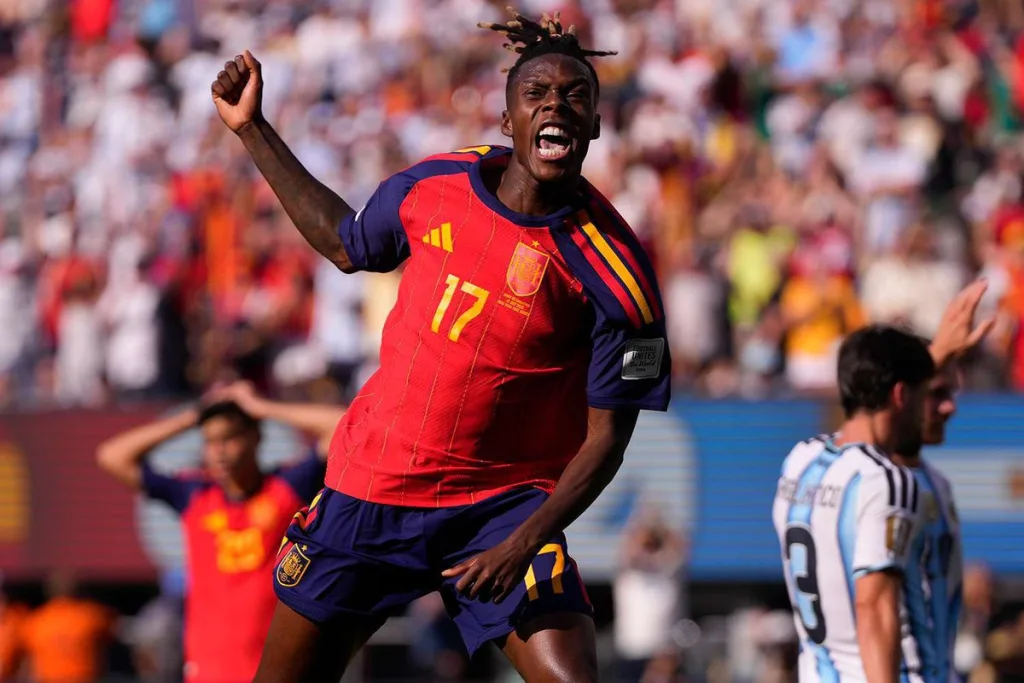
From the outset, Spain controlled the game, not giving Argentine players any significant chances throughout the entire 140 minutes of play. They held 65% possession, leaving little room for the Argentine attackers to operate.
What does it mean for Spain’s future?
Spain’s World Cup triumph signals the beginning of a promising new era for La Roja. With young stars such as Lamine Yamal, Pedri, Nico Williams and Ferran Torres leading the way, the team has established itself as a dominant force in international football once again. Winning a second World Cup title not only validates Spain’s long-term rebuilding process but also strengthens its status as one of the favourites for upcoming UEFA Euro and FIFA tournaments.
