
























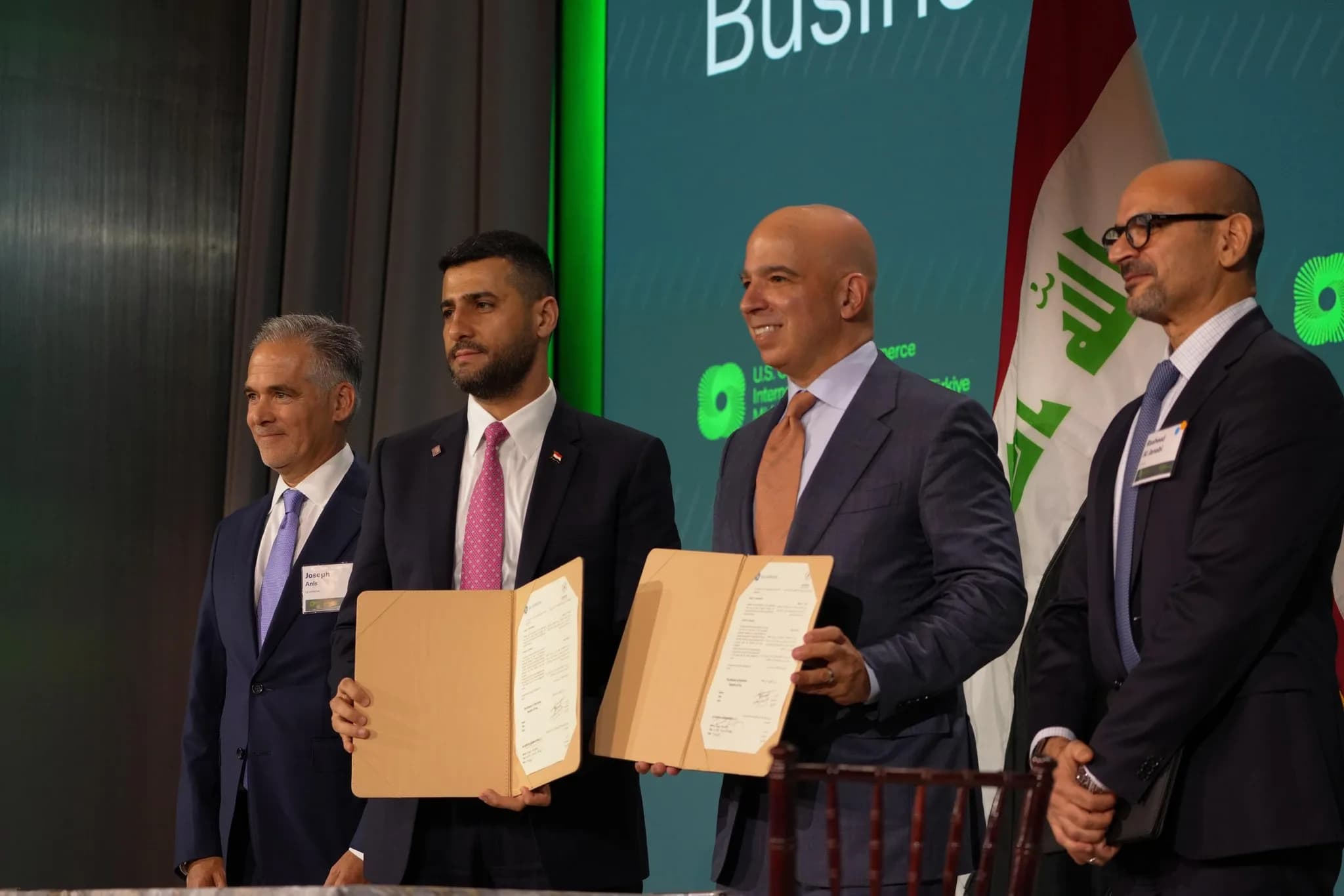
Iraq said on Saturday that it had signed 48 agreements, memoranda of understanding, cooperation agreements, and partnership declarations with American public and private sector entities during Prime Minister Ali al-Zaidi’s visit to the United States.
The deals were unveiled at a business summit hosted by the US Chamber of Commerce in Washington, and the package includes partnerships in the oil sector, electricity, technology, and communications, according to the Iraqi leader’s media office.
Also Read | Iran’s giant mural turns up heat on Trump with ‘Blood for Blood’ message
Under the patronage of Prime Minister @AliFalihAlzaidy, a total of 48 agreements, memoranda of understanding, cooperation agreements, and partnership declarations were signed between public and private sector entities in Iraq and the United States. The agreements establish a… https://t.co/cdcIVOUarw
— المكتب الإعلامي لرئيس الوزراء 🇮🇶 (@IraqiPMO) July 18, 2026
What exactly did Iraq and the US sign?
Several of the agreements involve Iraq’s oil and electricity ministries and US companies, including ExxonMobil, KBR, GE Vernova, Shell, and Halliburton.
Iraq also signed a deal with Starlink to introduce services in the country, while other agreements covered agriculture, electronics, commerce, and industry.
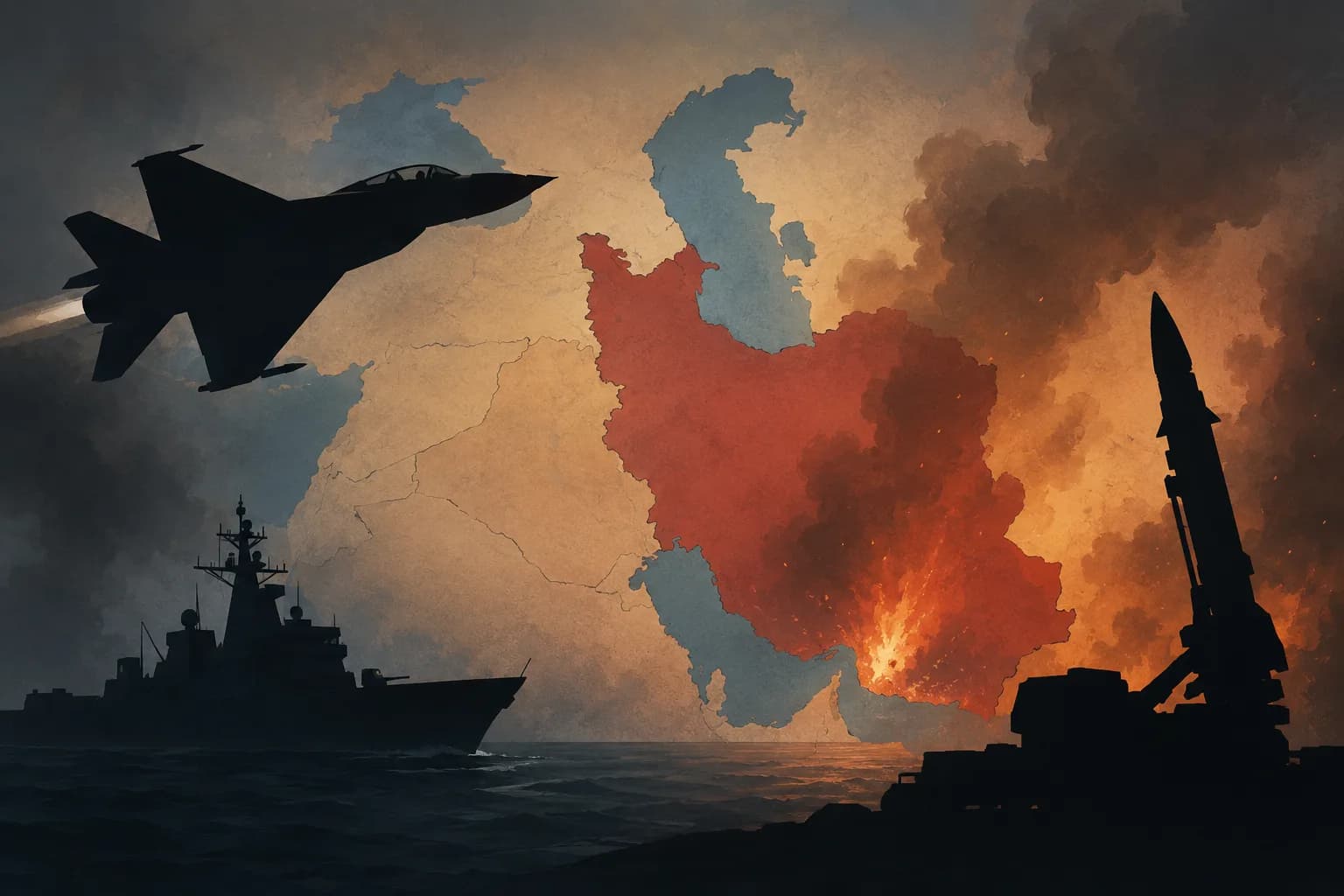
The deals were signed as Baghdad seeks to reduce dependence on the Strait of Hormuz, which has faced major disruption amid regional conflict. The Iraqi leader’s media office said, “A total of 48 agreements, memoranda of understanding, cooperation agreements, and partnership declarations were signed between public and private sector entities in Iraq and the United States.”
Honored to welcome Iraqi Prime Minister Al-Zaidi to Washington and witness the signing of over $60 billion in commercial agreements with U.S. energy companies.
— Secretary Chris Wright (@SecretaryWright) July 18, 2026
Deepening U.S.-Iraq energy cooperation advances a more secure, prosperous, and energy abundant future for the United… pic.twitter.com/rnoqH0X6Ey
Iraq-Syria pipeline project
A central element of the visit is a revived effort to rebuild the long-defunct Iraq-Syria crude oil pipeline, which would run from the Kirkuk oil region in northern Iraq to Syria’s Mediterranean port of Baniyas.
Iraq’s state news agency said Chevron would carry out the project under the agreement, while the US State Department said it welcomed the plan and said a “US-led international consortium” would handle “the technical and financial aspects.”
The department said the project would have an initial transport capacity of two million barrels per day and described it as “a critical energy corridor linking Iraqi oil production to Mediterranean export markets and beyond.”
US Ambassador to Türkiye Tom Barrack said the pipeline agreements would lead to a program “that will make the Strait of Hormuz an afterthought.”
🚨 BREAKING: In a massive development, US oil giant Chevron is signing a deal with Iraq to *CIRCUMVENT* the Strait of Hormuz as they move into Iraqi oil fields
— Eric Daugherty (@EricLDaugh) July 17, 2026
This is HUGE, Iran is fuming! 🔥
"Chevron will sign a Memorandum of Understanding today with Iraq to enter into 2… pic.twitter.com/R0zvZb8aSs
Beyond the paperwork lies a larger wager
Iraq’s initial agreements with US firms across energy, healthcare, and technology are worth more than $60 billion.
At the summit, al-Zaidi said, “We are using an open-door policy. Everybody who has a project can come and talk to us. We will not make it difficult for anyone.”
Trump praised al-Zaidi as a “champion” during a White House meeting earlier in the week. Iraq, which has long balanced ties between Washington and neighboring Iran, is now using the Washington visit to present itself as open to deeper American investment while it tries to stabilize its fragile economy and widen its export options.
Also Read | Iran hardliners accuse leaders of ‘coup’ after Khamenei funeral exposes deep rift
FAQs
Q1: Why did Iraq sign 48 agreements with US companies?
Iraq signed the agreements to expand cooperation in energy, technology, electricity, communications and other sectors while attracting greater US investment.
Q2: What is the Iraq-Syria oil pipeline project?
The proposed pipeline aims to transport Iraqi crude from Kirkuk to Syria’s Mediterranean port of Baniyas, creating an alternative export route beyond the Strait of Hormuz.