










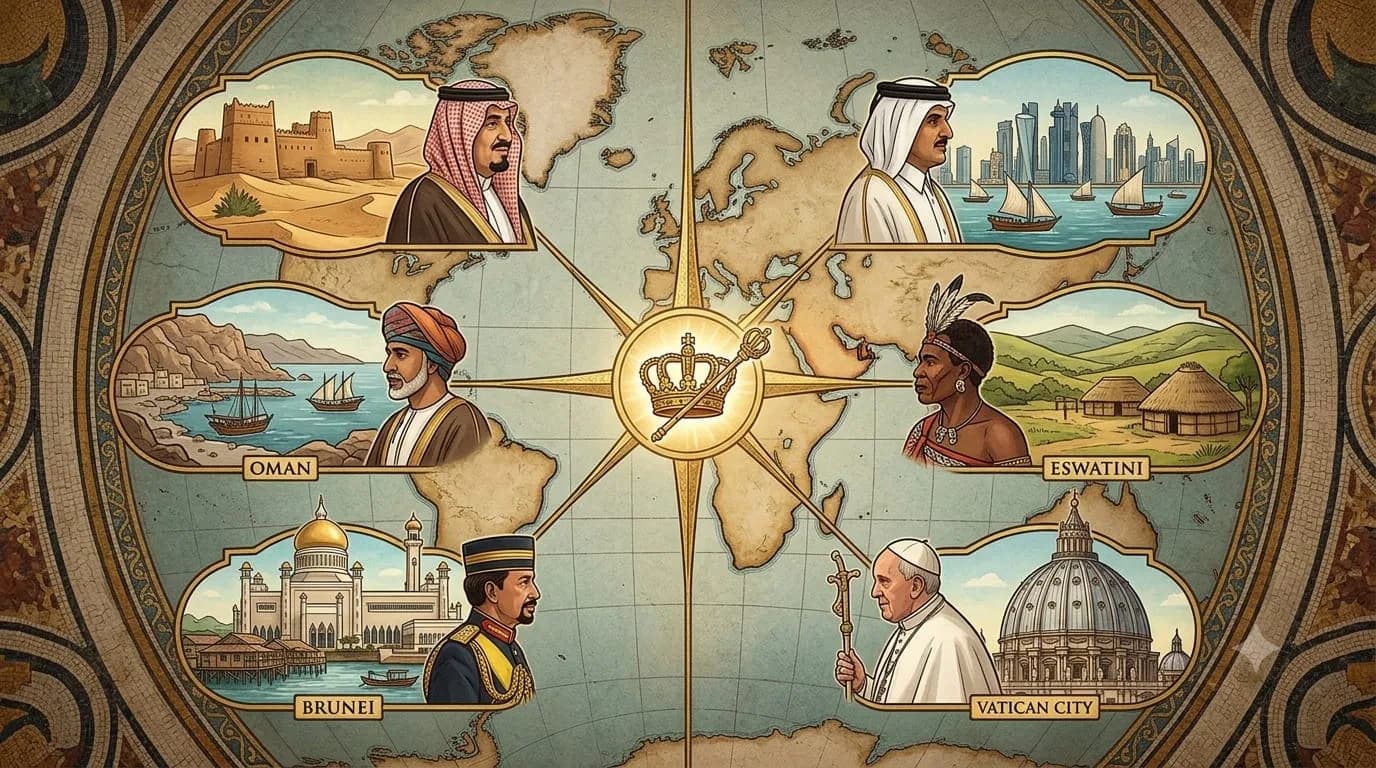






Not every country in the world is run by a president or a prime minister. Most nations follow this familiar pattern, but a handful of countries do things very differently.
Instead of electing a president or appointing a prime minister, these places are led by monarchs or religious figures, such as kings, sultans, emirs, or the Pope. Here are six countries that still follow this age old model of governance.
Saudi Arabia
Also Read | Adventure sports in India: Best places for rafting, scuba diving, bungee jumping and more
Saudi Arabia is an absolute monarchy, and the king is both the head of state and the highest authority in the country.
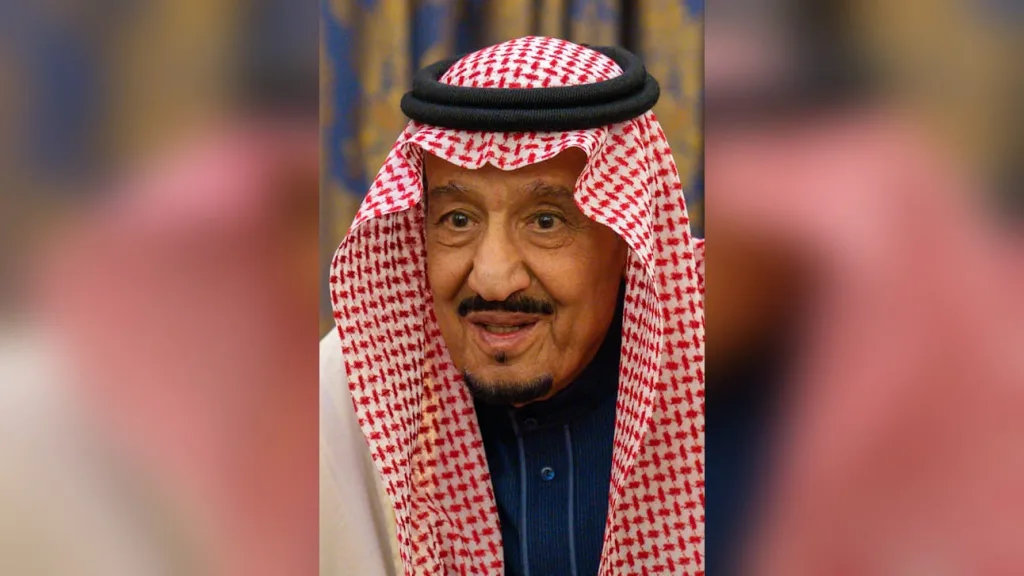
He plays a central role in running the nation, making major policy decisions and overseeing the state’s administration because of this, Saudi Arabia has no president at all. King Salman bin Abdulaziz Al Saud is the country’s current ruler.
Oman
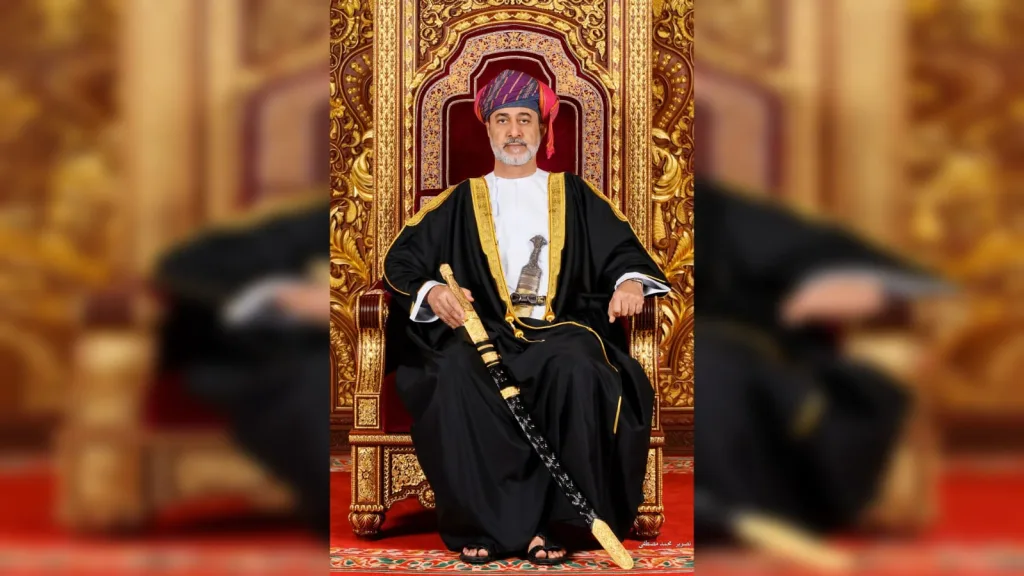
Oman is led by a sultan, who holds sweeping executive powers and a great deal of control over how the country is run. The sultan takes charge of important matters like administration, foreign affairs, and national policy, which means there is no need for a president here either. Sultan Haitham bin Tarik is the nation’s current leader.
Also Read | What is the world’s most visited country? Here’s the answer
Brunei
Brunei, in Southeast Asia, is also an absolute monarchy. Sultan Hassanal Bolkiah stands as the country’s supreme leader and makes almost all major government decisions.
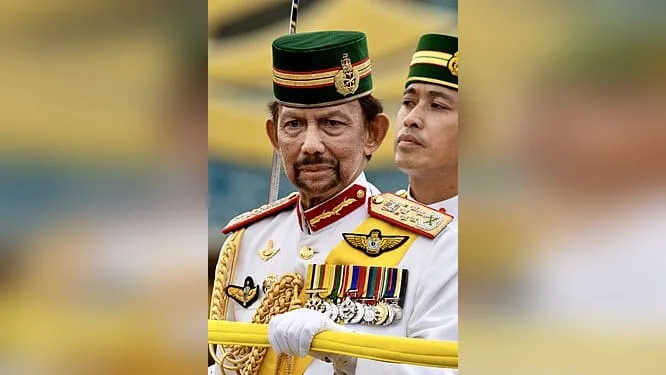
What makes Brunei a bit different from other monarchies is that the sultan also holds the post of prime minister, so he is both head of state and head of government at once.
Qatar
Qatar runs on a hereditary monarchy, with the Emir at its helm. The Emir wields broad executive powers and takes responsibility for the country’s key political and administrative decisions.
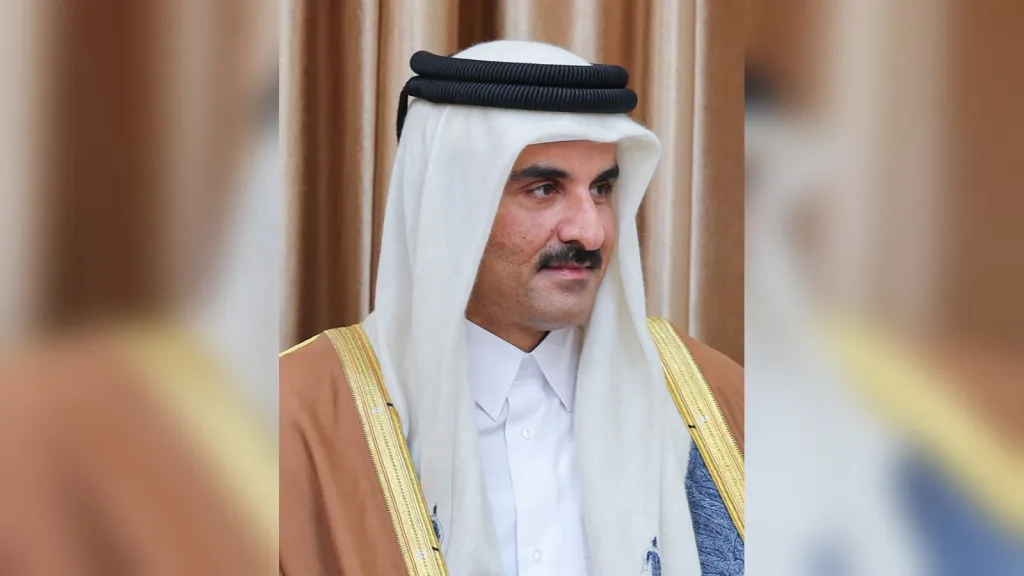
Since the Emir is already the highest authority in the land, Qatar has no president. Sheikh Tamim bin Hamad Al Thani currently holds this position.
Eswatini
Eswatini, once called Swaziland, is one of the last remaining absolute monarchies in Africa. King Mswati III, whose full name is Makhosetive Dlamini, holds extensive control over the government and its administration.
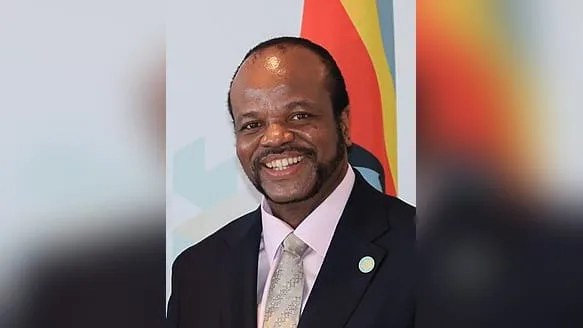
The whole system of governance here revolves around the monarchy rather than any elected head of state.
Also Read | Friendship Day 2026: 7 easy cupcake recipes to bake for your best friend
Vatican City
The world’s smallest independent country, Vatican City, is led by the Pope. Beyond being the spiritual head of the Roman Catholic Church, the Pope also serves as the sovereign of Vatican City, holding supreme executive, legislative, and judicial power over the tiny city state. Pope Leo XIV is the current pontiff and head of the Vatican.
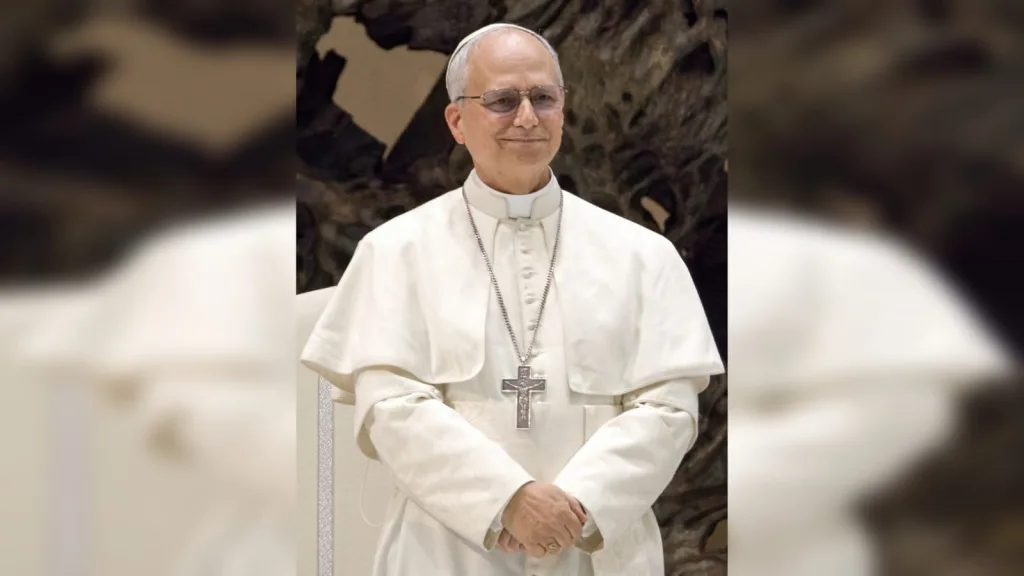
Every nation shapes its political system based on its own history, traditions, and constitution. While most democratic republics lean on presidents and prime ministers to run the government, a few countries still function under monarchies or religious leadership.
These nations maintain their own well established systems of administration and governance, ones that reflect their unique historical and constitutional identity.