
























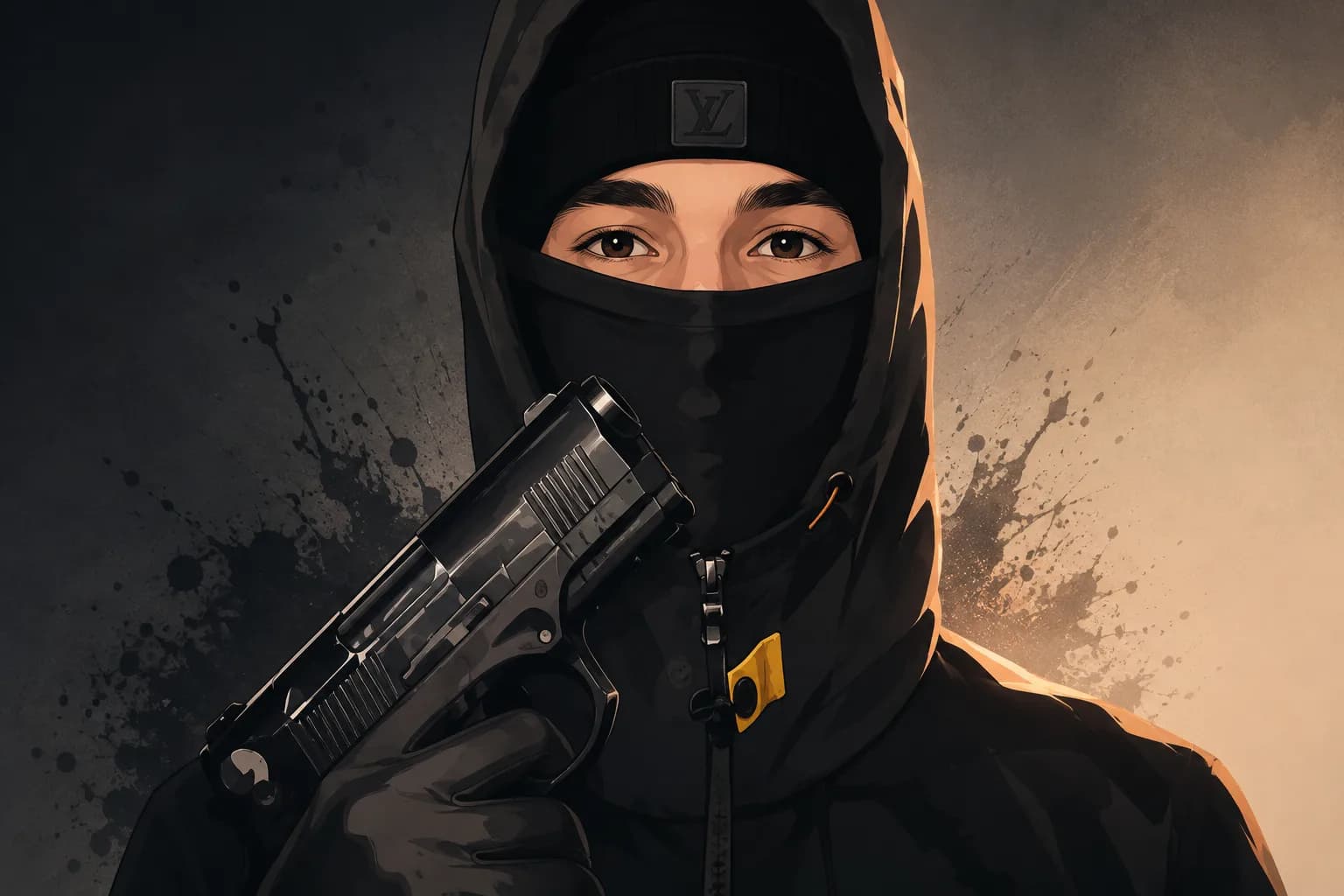
The case centres on Johannes Natland, a 19-year-old Norwegian, who was convicted in the UK for plotting a murder in West Yorkshire on behalf of the Foxtrot Network.
Police intercepted him at a hotel in Huddersfield before the attack could go ahead. Officers recovered firearms, ammunition, and cash. Natland had not been told the identity of his intended victim.
Also Read | Idaho In-N-Out shooting: How a pistol-wielding bystander confronted a rifle gunman | WATCH
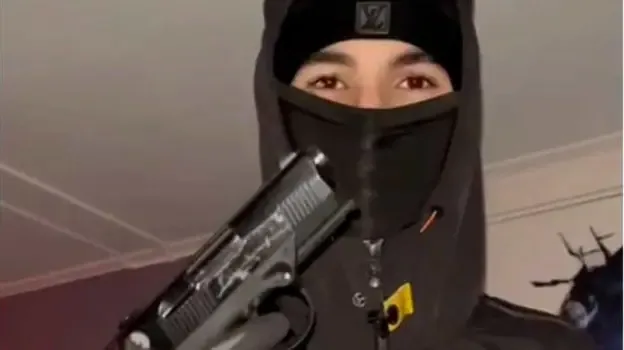
ALERT: Iran-linked hitman appears to flash a finger gun gesture mocking the police arresting him in newly released bodycam footage.
— E X X ➠A L E R T S (@ExxAlerts) June 12, 2026
The Norwegian-born Johannes Natland, 19, was allegedly in England after being hired by Foxtrot Network, a Swedish organized crime group with ties… pic.twitter.com/CighUb9XNZ
The game grows darker
The wider concern is not just one failed plot. There exists a recruitment model that targets teenagers and vulnerable young people through social media and encrypted chat apps.
Natland was drawn in by another teenager using the online name “Generalen” and then linked to a handler known as “Agent 47”.
He was allegedly given travel help, route maps and instructions through Signal. He was briefed where hidden weapons and cash could be found.
Natland was not even told who the intended victim was when he was arrested.
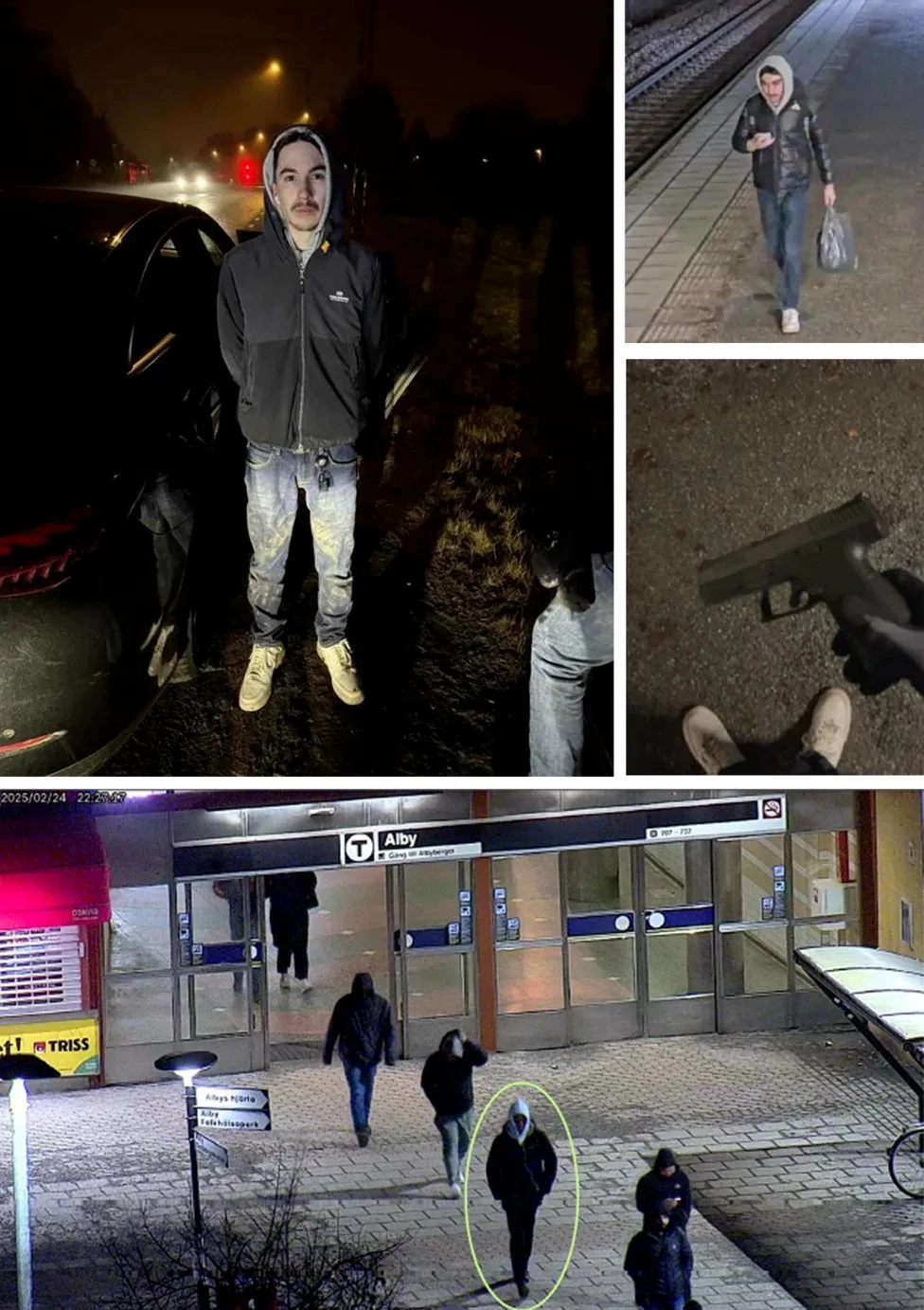
That method is what Europol and investigators are calling “violence-as-a-service”. In plain terms, it means organised crime groups are outsourcing assaults to teenagers who may not fully understand the consequences.
Europol official Andy Kraag described it as the “calculated outsourcing of murder” to vulnerable young people. The recruits are treated like pieces in a game, given step-by-step instructions and promised payment that they often never receive because police stop them first.
A Norwegian teenager was paid €25,000 to fly to Britain and kill a stranger he neither knew nor cared about.
— The Epoch Times (@EpochTimes) July 30, 2026
Prosecutors say the 17-year-old was recruited online by the Foxtrot Network, collected hidden guns in Huddersfield woods, and messaged his girlfriend that he was on a… pic.twitter.com/FJ2DpZJ8uK
Fox’s web
The Foxtrot Network is a Sweden-linked criminal organisation led by Rawa Majid, also known as “The Kurdish Fox”. Police believe he is now living in Tehran.
British authorities say the network has links to Iran and have sanctioned the Foxtrot Network and its leader over alleged attacks on Jewish and Israeli targets in Europe.
The network has been linked to murders, shootings, grenade attacks and bombings across Europe, including attacks on Israeli targets.
Iran has rejected the allegation that it is connected to the gang.
🇬🇧 #UK – 🇳🇴 #Norway: 19-year-old Norwegian Johannes Natland has now been found guilty of conspiring to carry out a contract killing in the UK, months after he was arrested in March 2025 in a Huddersfield hotel with two working firearms and 19 rounds of live ammunition.… pic.twitter.com/1XNiqJQZF7
— POPULAR FRONT (@PopularFront_) July 29, 2026
Also Read | Why Spain’s Ceuta crisis has become Europe’s latest migration flashpoint
A tally that commands attention
The scale is what has alarmed investigators. The Foxtrot Network is thought to have been responsible for around 35 murders and several attacks and attempted attacks against Israeli targets in Europe since 2022.
Europol’s OTF GRIMM task force has made more than 280 arrests across 11 countries in the last 15 months, but officials warn that other organised crime groups are adopting the same playbook.

The Foxtrot case is being treated less as an isolated plot and more as a warning about how organised crime is changing online.
The next generation in the crosshairs
Europe’s gangs are no longer relying only on adult enforcers or local street crews. They are reaching into teenage networks, using encrypted platforms, fake identities and fast cash to recruit children and young adults into violent work.
The result, investigators say, is a more fragmented and more disposable kind of hired violence, one that can cross borders as easily as a message on a phone.
Also Read | Who really influences Trump’s Iran decisions? Inside the Saudi, Israel and oil equation
FAQs
Q1: What is the Foxtrot Network?
The Foxtrot Network is a Sweden-linked criminal gang that European authorities say has been involved in murders, bombings and other violent crimes across several countries.
Q2: Why are European gangs recruiting teenagers?
Investigators say organised crime groups use teenagers because they are easier to recruit online, easier to manipulate and less likely to attract suspicion.