



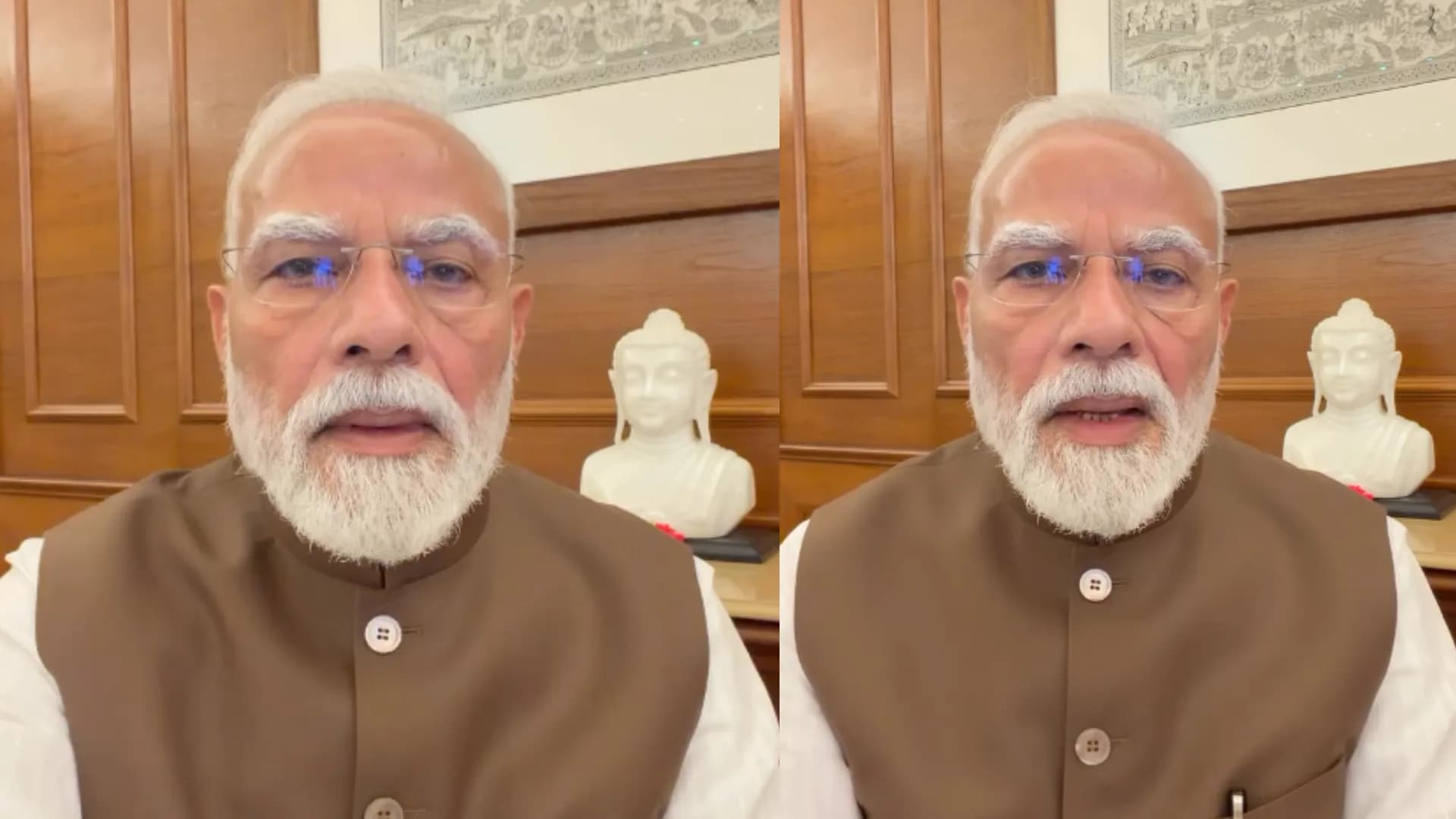















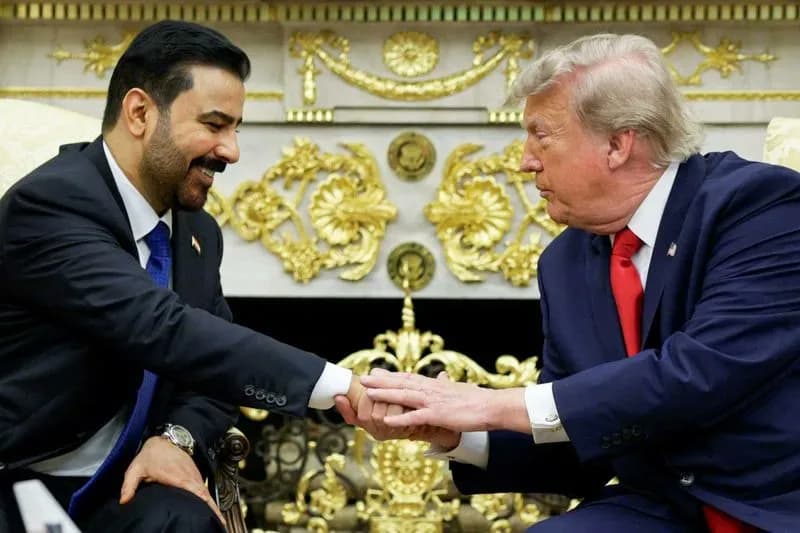
Iraq’s attempt to keep one foot in Washington and the other in Tehran came under fresh strain this week as Prime Minister Ali al-Zaidi visited the White House for talks with US President Donald Trump.
The meeting was outwardly cordial, with Trump describing the Iraqi leader as “young” and “handsome”, but the tone shifted later in the day when US Defence Secretary Pete Hegseth warned Baghdad to disarm Iran-aligned armed groups operating in Iraq.
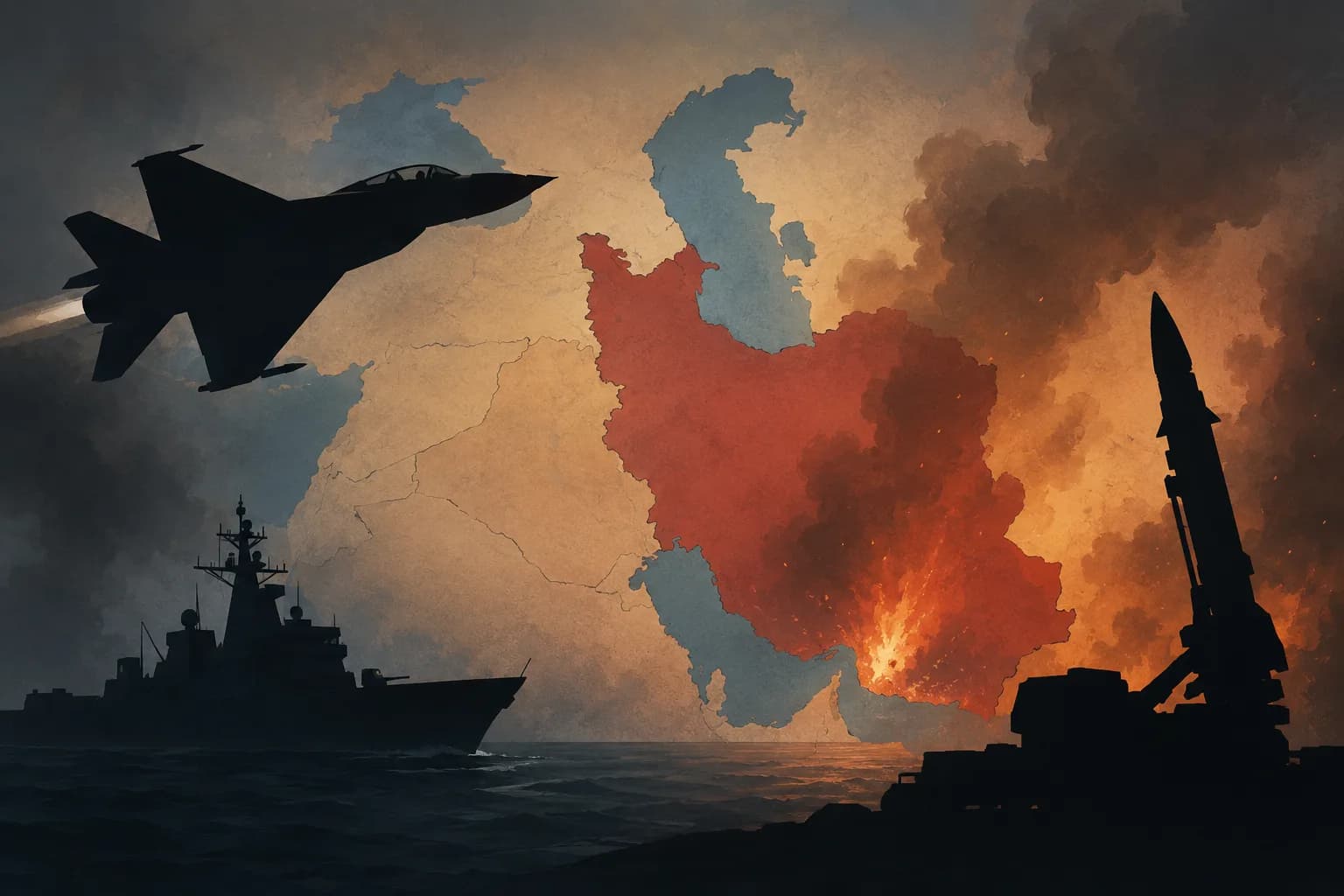
The message underscored the central problem for Iraqi leaders; they are trying to deepen ties with the United States at a moment when the broader US-Iran confrontation is intensifying again.
Also Read | Iran says 30 civilians, 7 soldiers killed after fresh US strikes; Trump vows campaign will continue
🇺🇸🇮🇶 Something extraordinary just happened between Trump and Iraq’s new Prime Minister, and it could mark a historic geopolitical realignment.
— Mario Nawfal (@MarioNawfal) July 14, 2026
Trump’s meeting with Ali al-Zaidi became such a love fest that he spontaneously invited the Iraqi delegation to stay for lunch, despite… pic.twitter.com/8u7KJnOAiT
Beneath the pleasantries, harder bargains await
At the same meeting, Trump and al-Zaidi pledged to deepen economic ties and expand Iraq’s oil output, while the Iraqi government said it expected several oil and gas agreements to be signed during the visit.
Trump also said Iraq had “tremendous potential because of their oil”, signalling that energy cooperation remains at the centre of the bilateral relationship.
Iraqi officials are also planning meetings with US administration officials and the International Monetary Fund. Baghdad is seeking an IMF loan of up to $8bn.
The talks came as the US prepares to reduce its military footprint in Iraq, with both Trump and al-Zaidi saying the remaining US forces — believed to be fewer than 2,000 — would fully withdraw by September 30.
That is also the date al-Zaidi has said armed factions in Iraq should disarm.
🇺🇸🇮🇶 23 years later, the U.S. finally leaves Iraq
— Mario Nawfal (@MarioNawfal) July 15, 2026
Every last soldier, gone by the end of September. After more than two decades, that's a wrap.
It started back in 2003, ran through the whole ISIS war, and now it just quietly ends.
Trump made the call yesterday, Iraq's prime… pic.twitter.com/Tuwh9xJxCD
Old alliances refuse a quiet exit
Even as Baghdad was sounding out Washington, Iraq-based groups aligned with Iran were sending a very different signal.
Kataib Hezbollah said it was ready to join any war against the US if Iran came under attack, with one official telling Iran’s Fars news agency that participation by “the resistance forces” would be “immediate and certain” and “not open to negotiation”.
Hegseth, via X after meeting al-Zaidi, said Iraq “must assert its sovereignty and disarm the Iran-aligned militias”.
The warning reflects how Iraq’s internal security debate remains tied to wider regional conflict. The country depends on US firms to modernise its oil and gas sector, but Iran-aligned armed groups and political networks still hold influence inside state institutions and parliament.
I hosted Iraqi PM Ali al-Zaidi at the Pentagon today.
— Secretary of War Pete Hegseth (@SecWar) July 15, 2026
To deepen our partnership, Iraq must assert its sovereignty and disarm the Iran-aligned militias responsible for 600+ attacks on U.S. personnel this spring.
The U.S. is also looking to the Iraqi Security Forces, including… pic.twitter.com/QbbLMMgTRY
Is Iraq running out of room to stay neutral?
Analysts say that dynamic leaves Baghdad in a fragile middle ground.
Inna Rudolf of King’s College London told that Baghdad is courting Washington but will not allow Iraqi territory to be used as a launching pad for attacks on Iran.
She described the relationship with Tehran as one of “managed interdependence”, with cooperation on trade and energy coexisting alongside mistrust and the risk that armed factions could act outside Baghdad’s control.
A June 5, 2025, Chatham House panel reached a similar conclusion, saying Iraq had maintained only a precarious stability and warning that, as one speaker put it, Iraq had long been viewed through the “prism of Iran”.
With US-Iran negotiations still unsettled and regional tensions still live, Iraq’s balancing act appears increasingly difficult to sustain.
Also Read | Trump rejects foul-play claims in Lindsey Graham death, questions preliminary medical findings
FAQs
Q1: Why is Iraq caught between the US and Iran?
Iraq maintains security and economic ties with the United States while also sharing deep political, economic and geographic links with Iran, making it difficult to side fully with either.
Q2: What could US-Iran tensions mean for Iraq?
A wider confrontation could increase pressure on Baghdad, threaten its security and energy sector, and complicate its efforts to balance relations with both countries.