
























A United Nations human rights body on Monday passed a motion condemning the escalating violence in Sudan’s al-Obeid and setting up an urgent inquiry into alleged abuses in and around the city.
The decision came after days of mounting warnings that the Rapid Support Forces, or RSF, could intensify its assault on the North Kordofan capital, placing hundreds of thousands of civilians at risk.
Also Read | Sri Lanka prison riot leaves 25 dead, over 100 injured after gang violence
🚨 ❝ El Obeid: UN rights council takes urgent action but stops short of naming actors enabling atrocities in Sudan. ❞ 🇸🇩
— DefendDefenders (@DefendDefenders) July 6, 2026
🗒️ Read our full press release on the adoption of a resolution addressing the situation in #ElObeid, North #Kordofan, today at the UN Human Rights Council:… pic.twitter.com/SMehuXMWwx
Clouds darken over al-Obeid
The council action caps a sharp escalation in international concern over a city that has become one of the central flashpoints in Sudan’s more-than-three-year war between the army and the RSF.
In mid-June, dozens of countries, including Britain, France, and Germany, warned the council that al-Obeid could face large-scale atrocities, with Norway’s envoy, Tormod Endresen, saying that “approximately 500,000 civilians” were at risk, including more than 100,000 internally displaced people.
The coalition, which called itself the Coalition for Atrocity Prevention and Justice for Sudan, urged the RSF to stop its assault and pressed all states to increase pressure on both sides to protect civilians and ensure humanitarian access.
UN Update: Red Alert on Sudan 🇺🇳🇸🇩
— Youth Diplomacy Forum (@youthdiploforum) July 4, 2026
UN Human Rights Chief Volker Türk has warned that a new human rights catastrophe is unfolding in El-Obeid, amid fears of an imminent RSF assault
Addressing the UNHRC, he urged immediate global action to prevent atrocities and protect civilians pic.twitter.com/kxoXvKOjcf
A most alarming dispatch from Geneva
The warnings intensified further on July 3, when UN High Commissioner for Human Rights Volker Türk told delegates in Geneva that “another human rights catastrophe is unfolding” around al-Obeid.
He said civilians had endured siege-like conditions for 18 months, with acute shortages of clean water and relentless drone strikes. Türk said his office had documented “summary executions, abductions, torture, and sexual violence” along routes used by displaced people across Kordofan and urged the world not to allow a repeat of the atrocities seen in al-Fashir in North Darfur last year.
He later added, “The signs from al-Obeid are clear and unmistakable.”
Sudan's war has wiped out an entire economy. GDP collapsed 30%. Banking system frozen. Inflation at 400%. The central bank has no reserves. The currency is worthless. But here's what the mainstream won't tell you:
— Wall Street Mav (@WallStreetMav) July 6, 2026
Sudan sits on gold reserves, agricultural land, and Red Sea…
The human cost comes into sharp relief
The situation on the ground had become increasingly lethal. Between June 6 and June 28, at least 45 civilians were killed and 41 injured in 15 drone strikes in al-Obeid and surrounding areas, according to the UN human rights office.
The agency also said a full-scale attack could displace hundreds of thousands more people at a time when aid operations were already stretched.
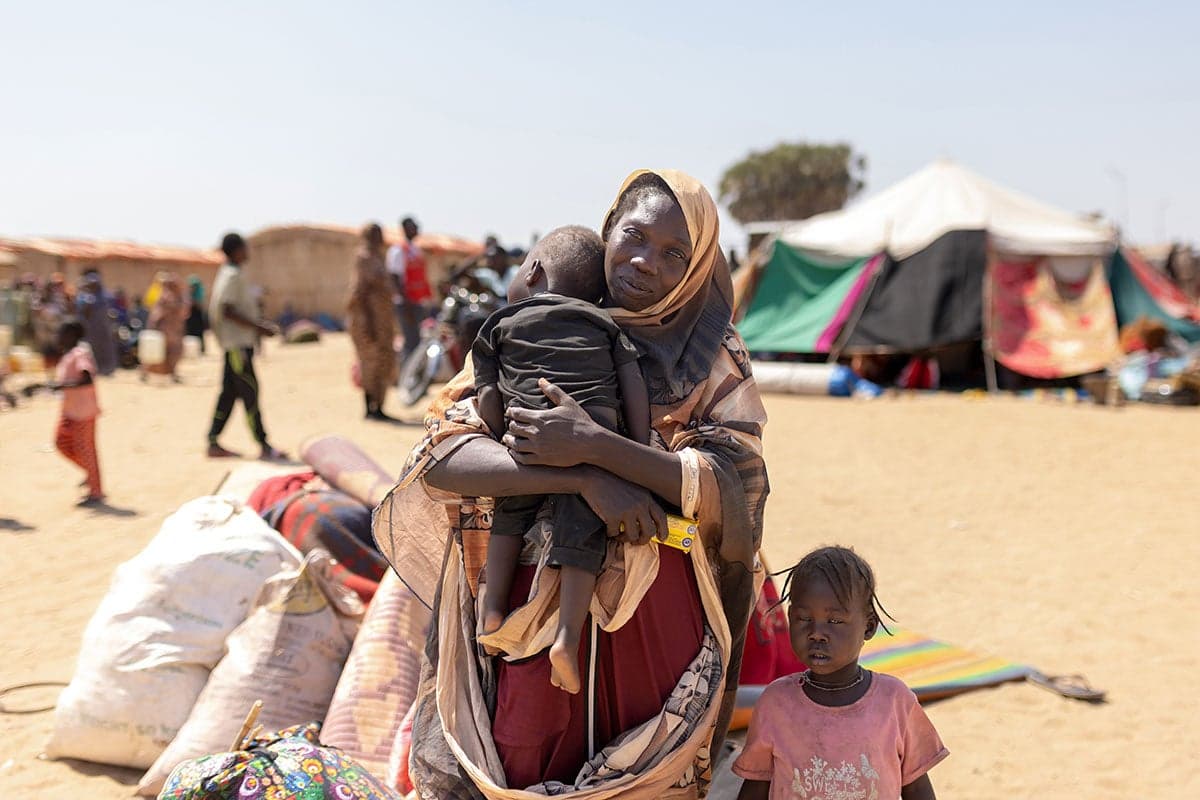
The UN International Organization for Migration said the wider Kordofan region had seen the number of newly displaced people rise by nearly two-thirds since February, to more than 219,000.
No room left for polite hesitation
Britain, which helped drive the latest diplomatic push, said the city could not be allowed to become “the next senseless tragedy.”
Foreign Secretary Yvette Cooper said the “international community must rise to the moment.”
The RSF said its operations around al-Obeid were military in nature and reiterated that it does not intentionally target civilians, while the force did not immediately respond to Reuters’ request for comment on the latest developments.
Sudan’s army-aligned government, meanwhile, told the council that the international community should exert concrete pressure to stop the flow of advanced military equipment and weapons to the RSF.
Also Read | Trump’s ‘loyalty’ demand puts Mark Rutte’s NATO balancing act to a new test
FAQs
Q1: Why has the UN Human Rights Council ordered an inquiry into al-Obeid?
Ans: The council ordered the inquiry after mounting concerns over escalating violence, alleged human rights abuses and the risk of mass atrocities in and around Sudan’s al-Obeid.
Q2: Why is al-Obeid important in Sudan’s conflict?
Ans: Al-Obeid is the capital of North Kordofan and a strategic city that has become a key battleground in the war between the Sudanese army and the Rapid Support Forces (RSF).