






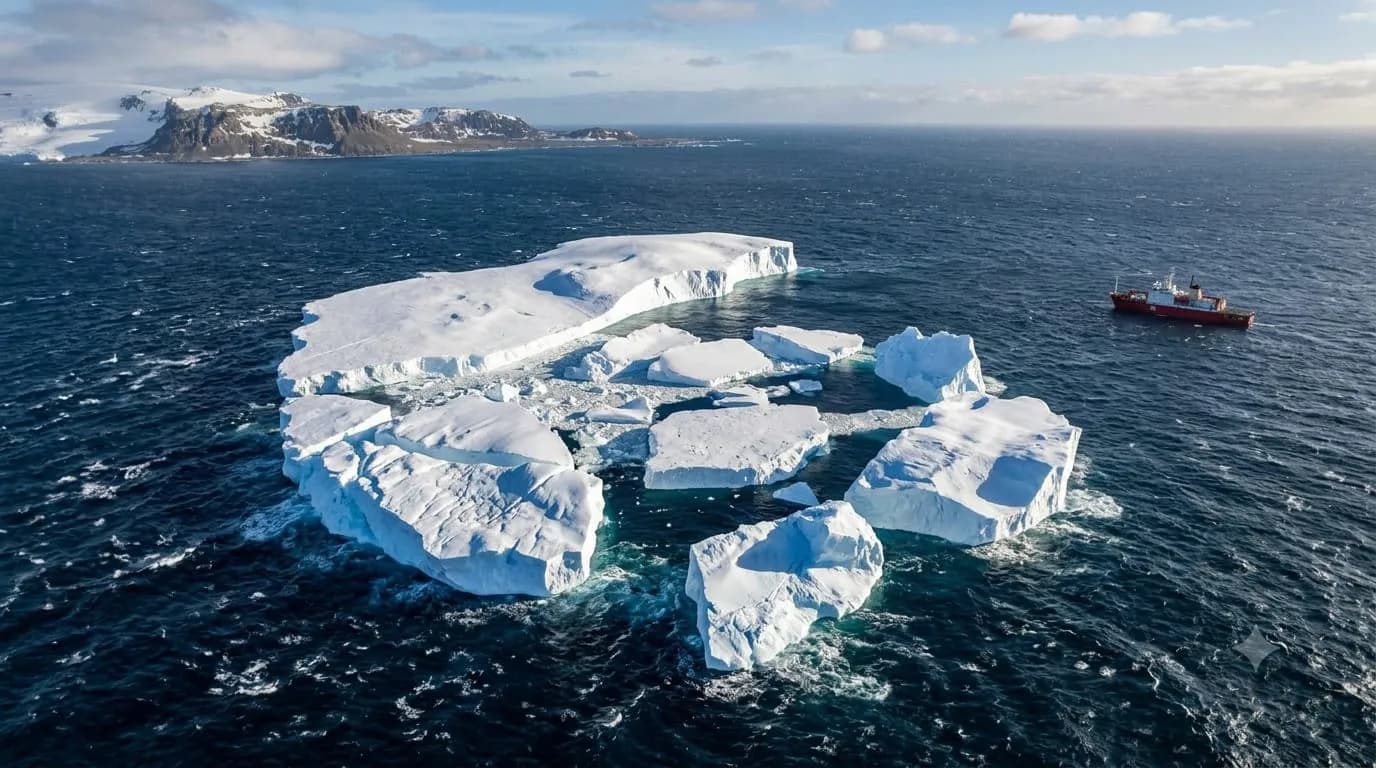


















The world’s biggest and one of Antarctica’s oldest icebergs has finally melted away after almost four decades of existence, leaving behind a rich trail of scientific insight.
For years, this massive floating ice mass fascinated travellers, scientists and researchers as it drifted through the frozen waters near Antarctica.
At its largest, it was bigger than the state of Goa and weighed close to a trillion tonnes. Its long and dramatic journey has now come to an end after nearly 40 years.
The iceberg was named A23a, once known as the biggest iceberg in the world and among the longest surviving ones from Antarctica.
It broke off the Filchner Ice Shelf way back in 1986 and eventually spread across nearly 3,500 square kilometres, making it larger than Goa.
Also Read | Mountaineering legend Nirmal Purja ‘Nimsdai’ reportedly dead after Broad Peak avalanche
A giant that barely moved for decades
For almost 30 years, A23a stayed firmly stuck to the ocean floor in the Weddell Sea, hardly shifting at all.
It only started drifting in 2020, travelling thousands of kilometres across the Southern Ocean. This unusual voyage kept scientists and onlookers around the world hooked.
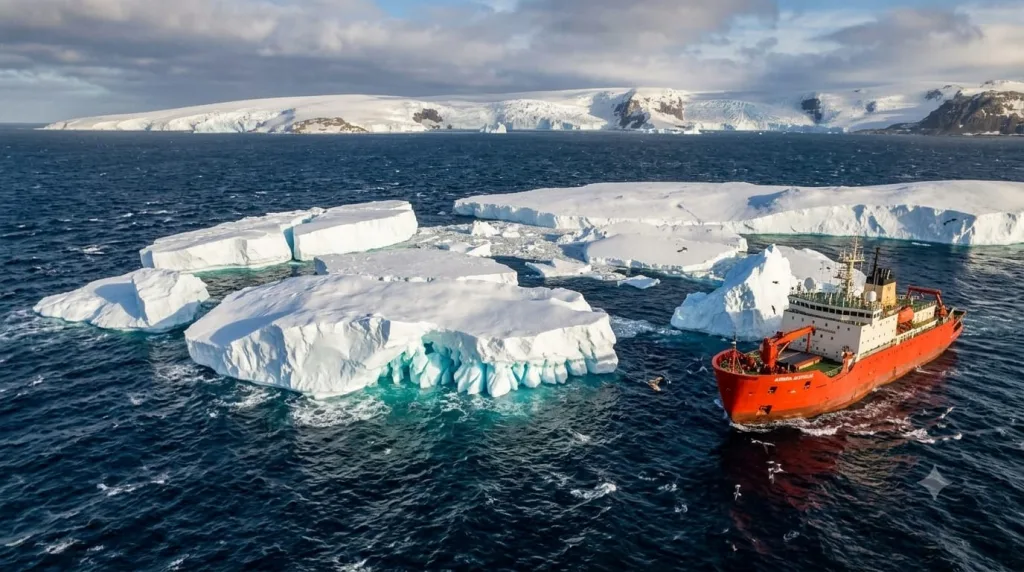
As A23a moved into warmer waters, it began shrinking steadily. By March 2026, it had reduced to just around 170 square kilometres, only about five per cent of what it once was.
Soon after, it broke apart into smaller chunks and eventually vanished from satellite tracking completely.
A journey full of surprises
The iceberg wasn’t famous just for its huge size, but also for its strange and eventful journey.
Also Read | Trump’s rare Camp David retreat comes with Iran war, diplomacy and domestic pressure in focus
It narrowly missed crashing into South Georgia Island, got stuck spinning in one place for months because of a rare ocean phenomenon, and even carried remains of an old Soviet Antarctic research station on its surface.
Why scientists kept a close eye on it
Researchers tracked A23a closely because melting icebergs affect ocean chemistry, marine life and the flow of ocean currents.
Teams collected samples of the meltwater to study how the freshwater released from Antarctica impacts marine biodiversity and the delicate balance of the Southern Ocean.
Also Read | Which are the best US states to live in 2026? See who climbed and who fell
Even though A23a is now gone, its legacy continues through decades of satellite images and scientific data.
Scientists say its incredible journey has deepened our understanding of how icebergs move, how Antarctic ice shelves behave, and how the polar oceans are changing, even as newer giant icebergs continue to be watched closely.
FAQs
What is A23a?
A23a was the world’s largest and one of Antarctica’s oldest icebergs, once bigger than Goa and weighing close to a trillion tonnes.
When did it break away from Antarctica?
It calved from the Filchner Ice Shelf in 1986.