








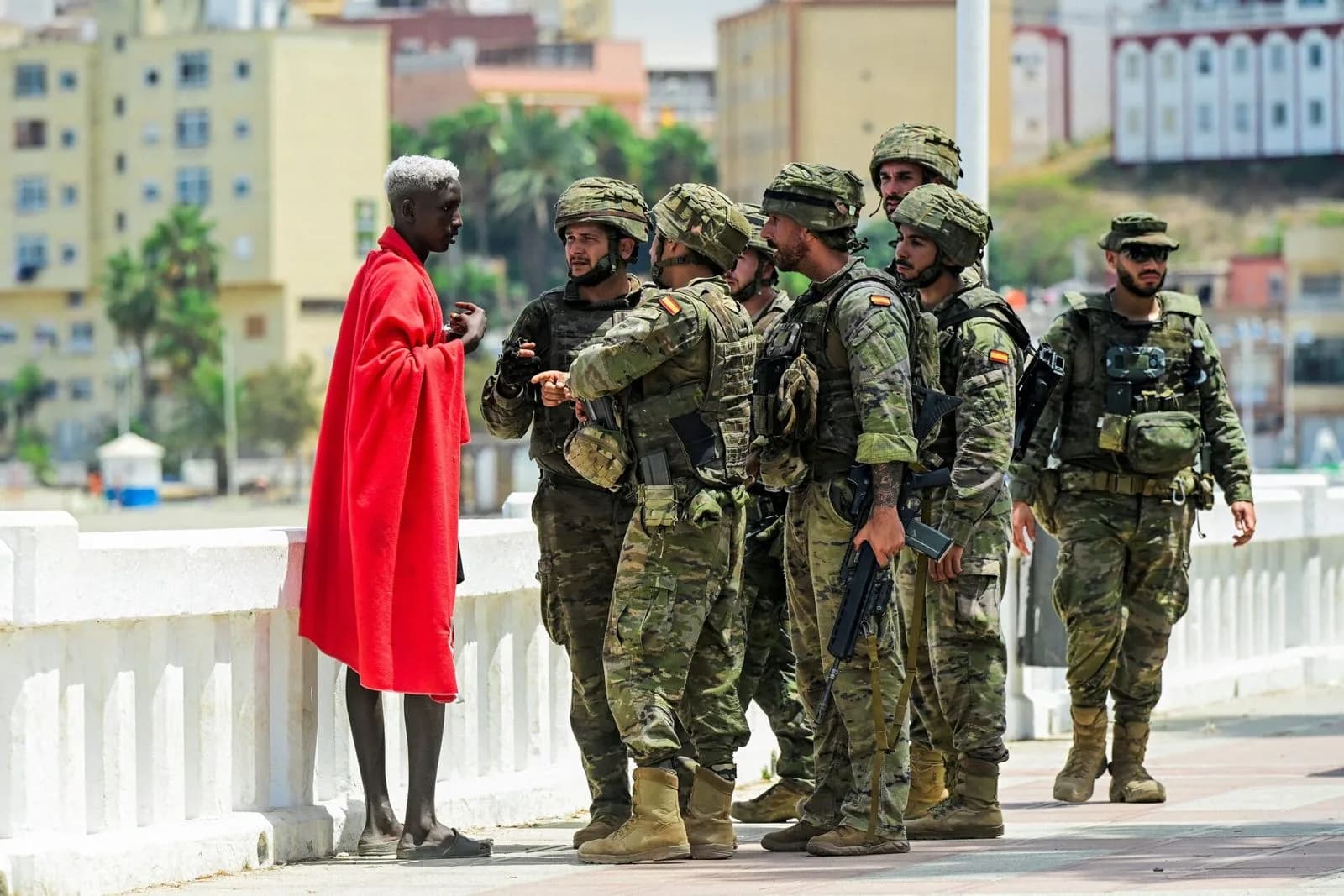
















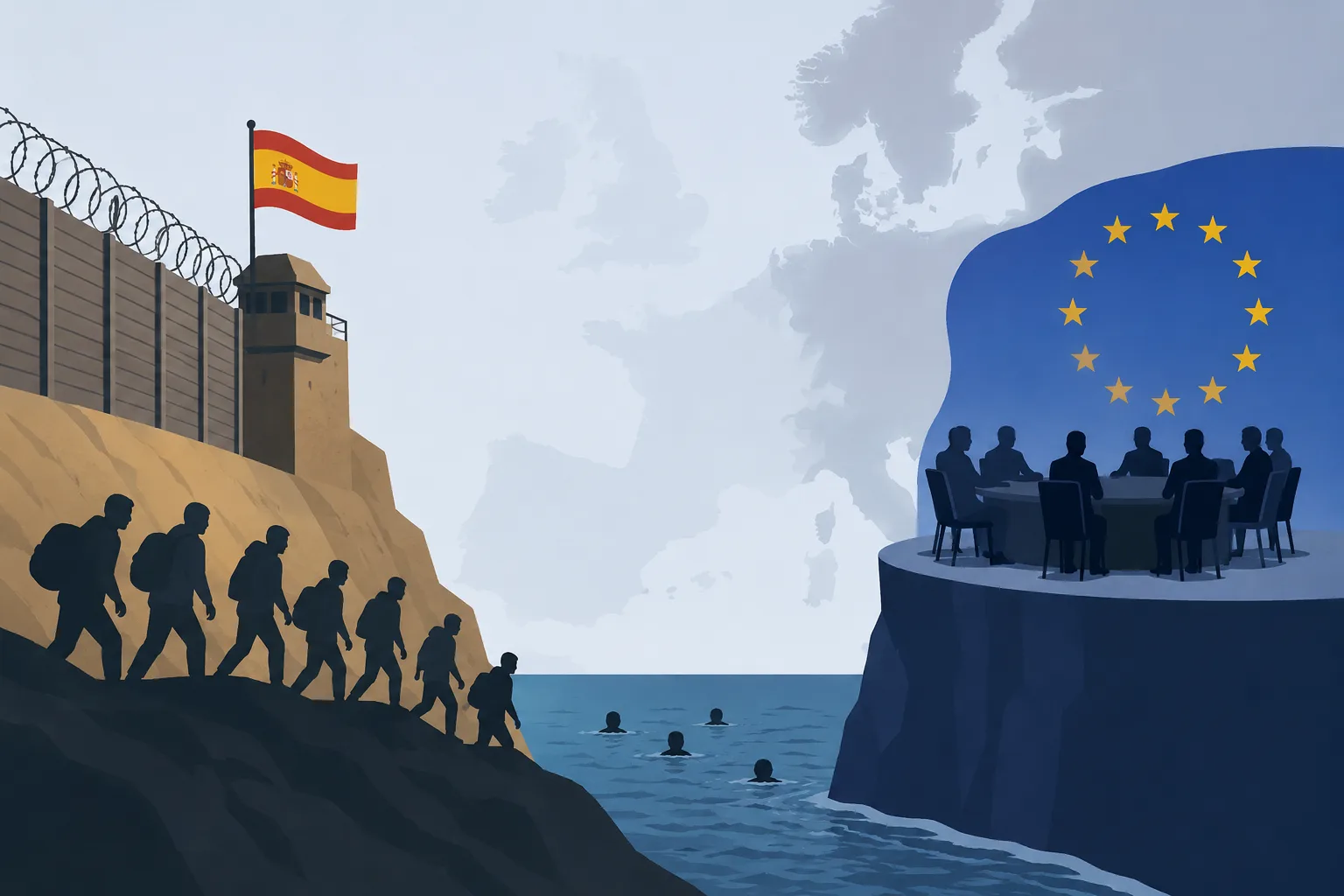
Spain’s handling of the Ceuta crisis has become a wider test of how the European Union responds when migration pressure lands on one member state’s frontier.
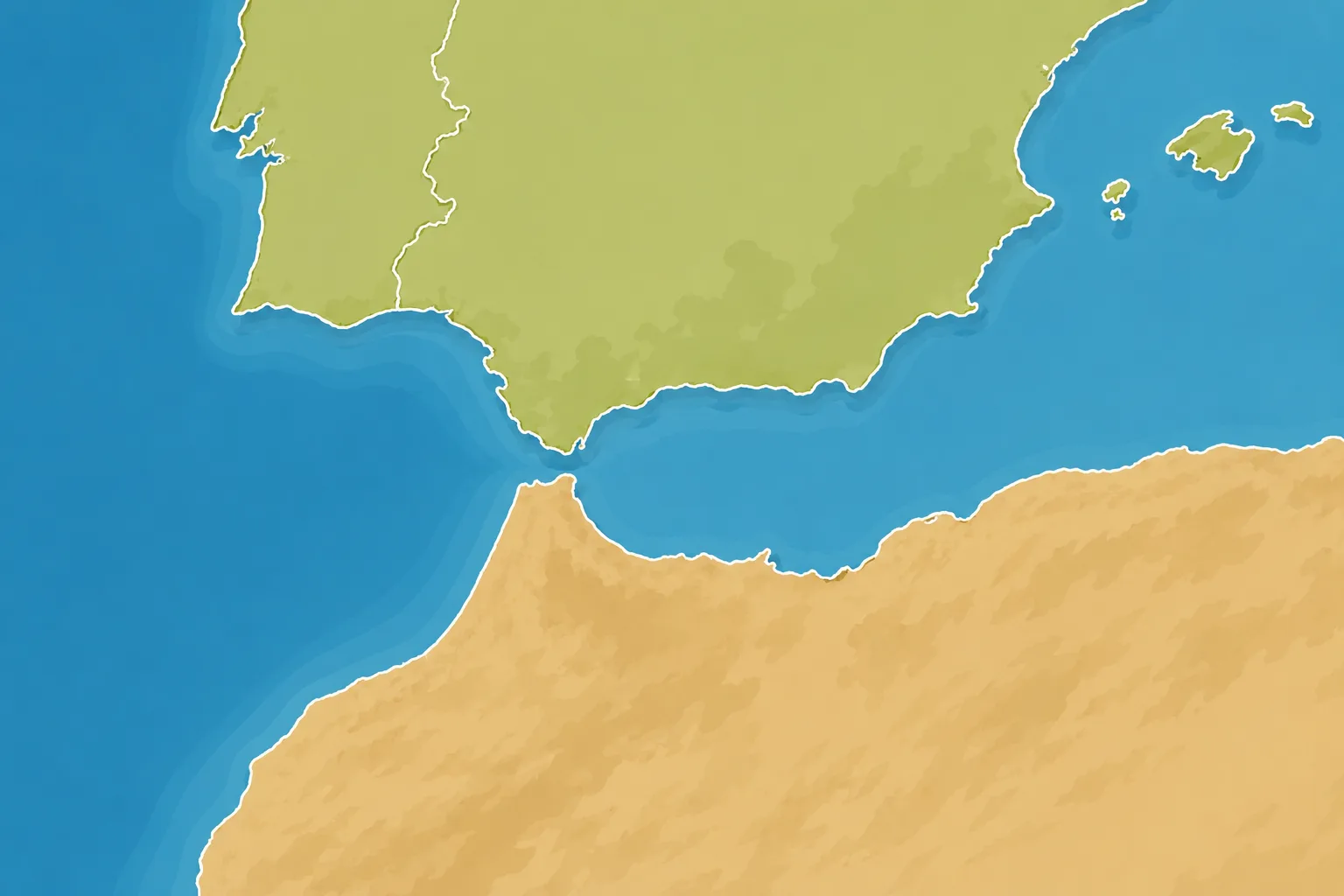
Ceuta is a tiny Spanish territory on the northern coast of Africa. Although it is surrounded by Morocco, it is part of Spain and therefore part of the European Union. That makes it one of only two land borders between Africa and the EU.
This week, the enclave has seen a major influx of migrants from Morocco, with reports putting the number at roughly 50,000 to 60,000 arrivals in a short period.
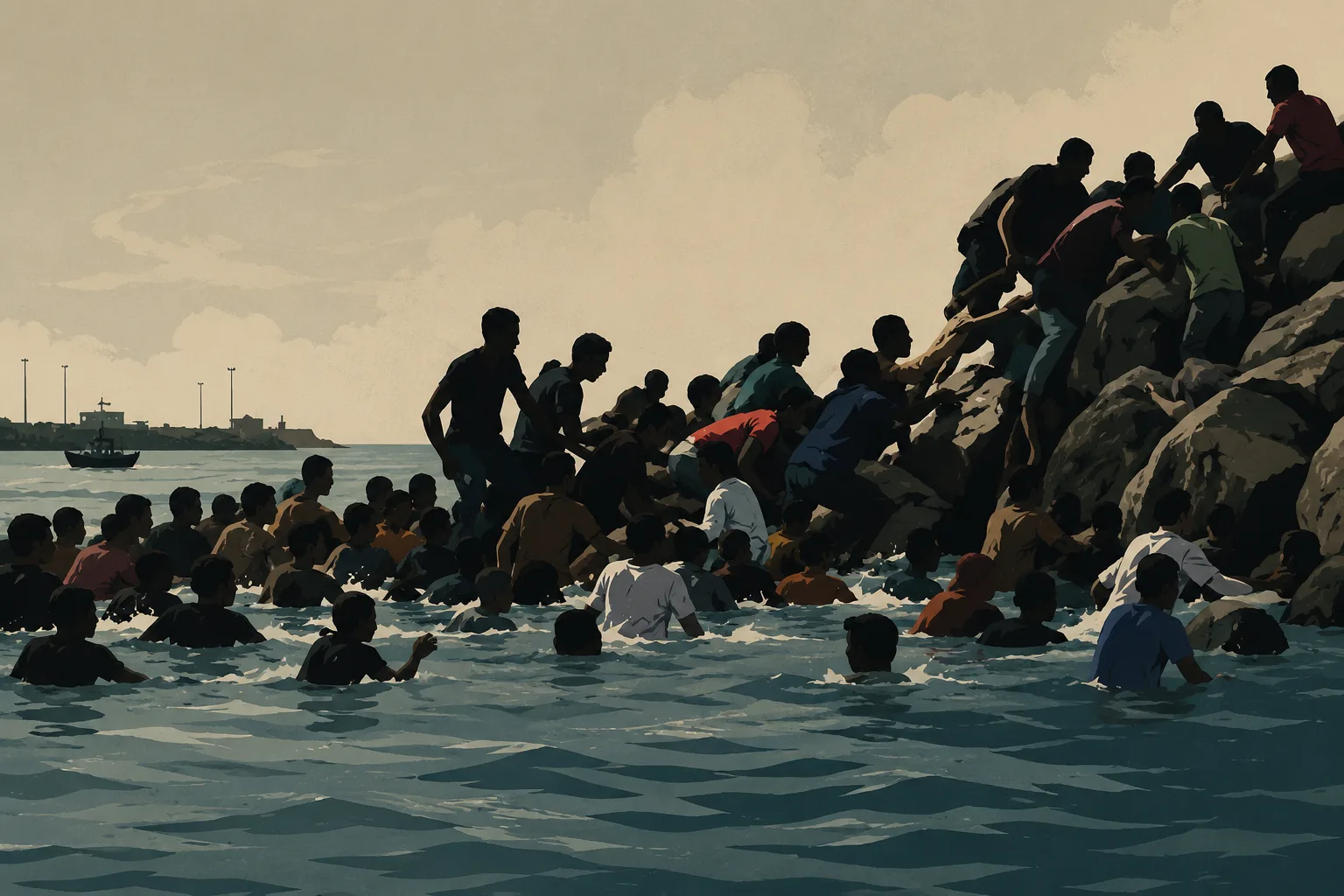
Spanish authorities said they had restored control of the border within 48 hours. They returned most of those who crossed irregularly.
The INVASION of Spain is unfolding right before our eyes 🇪🇸🚨
— Predictivemoney (@Predictivemoney) July 30, 2026
Prime Minister Pedro Sanchez's government policies are actively encouraging massive waves of migration from Africa into Spain.
The Spanish territory of Ceuta – an enclave bordering Morocco near the Strait of… pic.twitter.com/w8i0JR04yR
Also Read | Trump’s rare Camp David retreat comes with Iran war, diplomacy and domestic pressure in focus
The quarrel reaches Brussels
The political fallout has been swift. Spanish Prime Minister Pedro Sánchez has attacked the response from some European governments as “selfish, polarizing, and unlawful,” and said the reaction was “driven by prejudice, fake news, ignorance, or political interest.”
He has urged an urgent meeting of EU interior ministers, arguing that the crisis should be treated as a shared European border problem rather than a bilateral Spain-Morocco issue.
The EU has already moved toward emergency talks.
🇪🇸🇲🇦 Men collapsed on a Ceuta beach after swimming from Morocco, and Spanish troops and medics race in to keep them alive.
— Mario Nawfal (@MarioNawfal) August 1, 2026
That moment sits inside the largest single migrant surge the EU has ever recorded, 50 to 60 thousand people hitting a city of 80 thousand in a matter of…
The map, as ever, tells the tale
The dispute is not only about Ceuta itself. It is also about what the enclave represents.
Ceuta is one of Europe’s two land borders with Africa, and it sits inside a larger debate over the Schengen system, the bloc’s passport-free travel area. Some governments have reacted by tightening checks or threatening limits on Schengen cooperation, while others are calling for a coordinated EU response.
Also Read | Mountaineering legend Nirmal Purja ‘Nimsdai’ reportedly dead after Broad Peak avalanche
Italy’s prime minister Giorgia Meloni has described the scenes as “shocking,” and several countries have backed tougher action.
Spain, by contrast, says the answer must be built on solidarity and respect for European rules.
🇲🇦🇪🇸 According to Spanish media, some 53,000 people who crossed from Morocco into the Spanish enclave of Ceuta in the recent surge are now back across the border.
— Mario Nawfal (@MarioNawfal) August 1, 2026
Turns out the ocean works both ways.
Writer: Daniyal pic.twitter.com/nu1JCyjniX
A legal twist
The immediate trigger for the migration, according to Spain’s government, was a combination of factors. The major ones being pressure from trafficking networks and the drawing power of the enclave as a gateway to Europe. One factor that is drawing all the attention is a court ruling.
The Spanish Supreme Court recently ruled that migrants intercepted at sea near Ceuta and Melilla cannot be immediately returned to Morocco without an individual assessment of their asylum claims and legal protections.
In practice, this makes automatic “pushbacks” at sea more difficult than before.
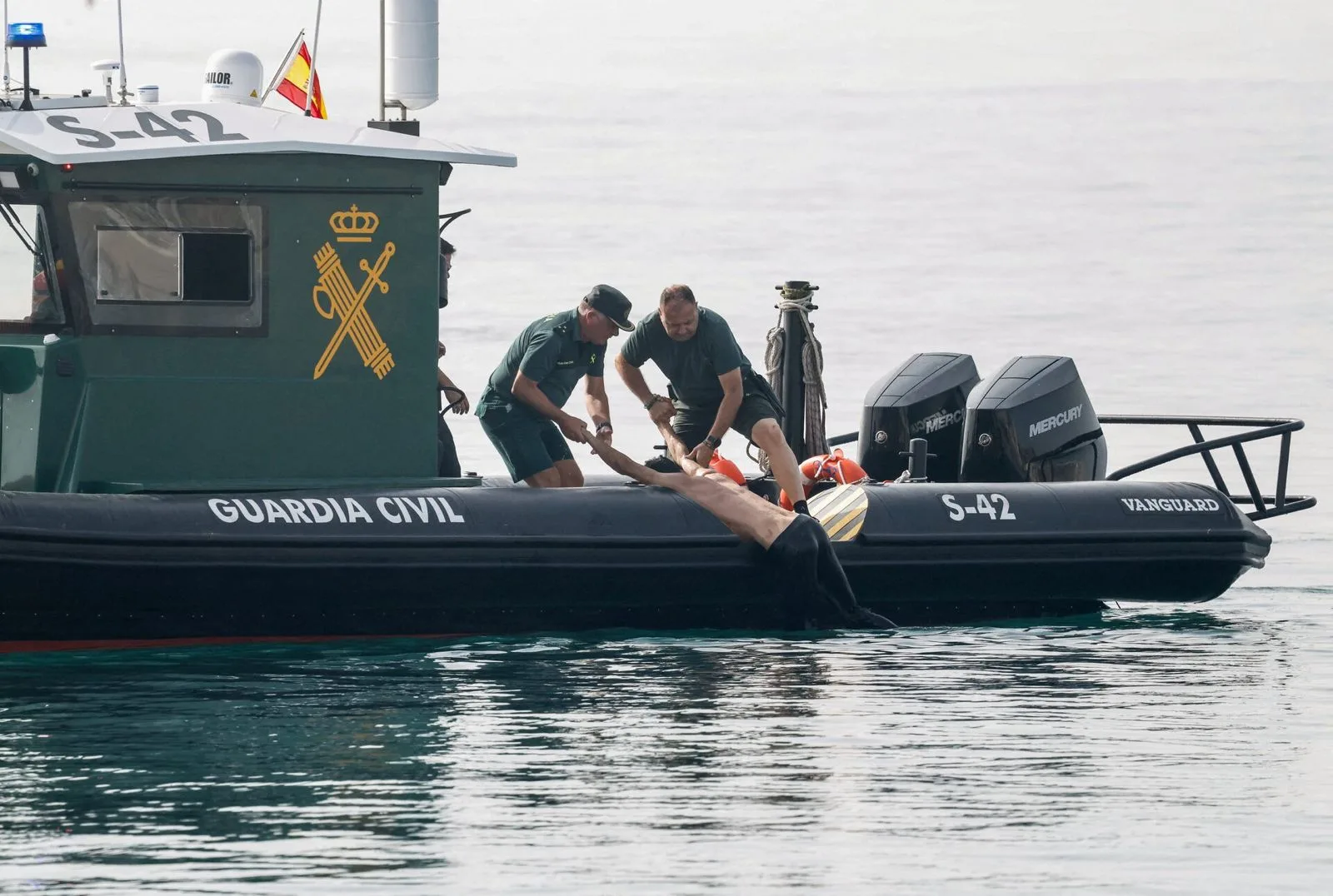
Officials argue that human smuggling networks spread misleading information, telling migrants that they would be allowed to stay in Spain if they reached Ceuta by sea.
This could explain the mass crossing.
Though it is hotly debated. Migration experts quoted by the Guardian have questioned whether the court ruling alone explains the scale of the crossings.
That disagreement matters because it shapes the policy response: whether the answer is more policing, faster returns, tighter legal rules, or more cooperation with Morocco and EU partners.
🇪🇸🇲🇦 Somebody lied to 50,000 people, and it worked for exactly 3 days.
— Mario Nawfal (@MarioNawfal) August 1, 2026
Somewhere between 50,000 and 60,000 people stormed the fences into Spain's Ceuta this week, chasing viral clips that swore the border was wide open. Days later they're crawling back into Morocco, broke,… pic.twitter.com/gGDZ9dgEJx
The human price no one can ignore
The human cost has been severe. The latest reporting consistently puts the toll at 67 deaths.
Police were installing a floating barrier after some migrants drowned or died in a stampede. It is shaping up to be a serious challenge for Brussels.
Can the EU agree on a common migration response when pressure hits one frontier first?
Spain says the answer should be collective. Several other governments clearly disagree on how far that solidarity should go.
Also Read | Trump warns Iran: ‘We will be hitting them very hard’ as US weighs fresh strikes
FAQs
Q1: Why is Ceuta important to Europe?
Ceuta is a Spanish territory in North Africa and one of the European Union’s only two land borders with Africa, making it a key entry point for migration.
Q2: Why is Spain asking for an EU meeting over the Ceuta crisis?
Spain wants an emergency meeting of EU interior ministers to seek a coordinated response after a surge in migrant crossings exposed divisions among member states over migration policy.