




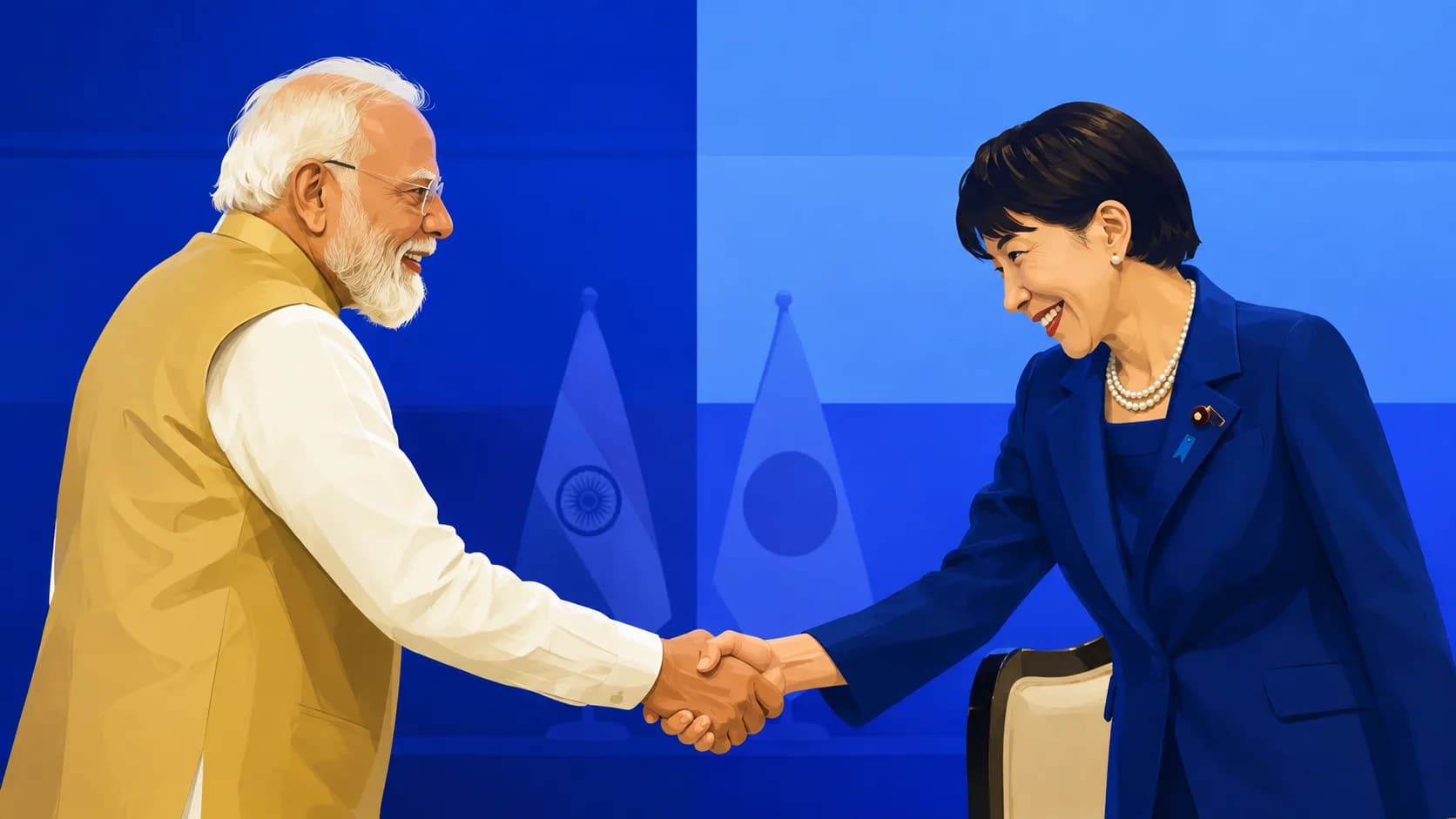





















Japan’s foreign ministry is putting a new India-focused division into full operation on August 3. The unit, called the Japan-India Economic Affairs Division, was established under the Southwest Asia Division in April and will begin work with a head and about 10 staff members.
Its brief is clear. Help Japanese companies, especially smaller firms that do not yet have a base or sales channel in India, enter the market or expand investment there.
🇯🇵🇮🇳 Japan is expanding diplomatic support to help businesses and startups invest and grow in India's rapidly expanding economy.
— Asia Nexus (@nexusasian) August 2, 2026
Tokyo will work with New Delhi to reduce regulatory barriers and improve the business environment for Japanese companies.
The initiative reflects… pic.twitter.com/efhMYByHva
Also Read | Delhi court clears ex-AAP MLA Naresh Balyan in extortion case
Policy dons a business hat
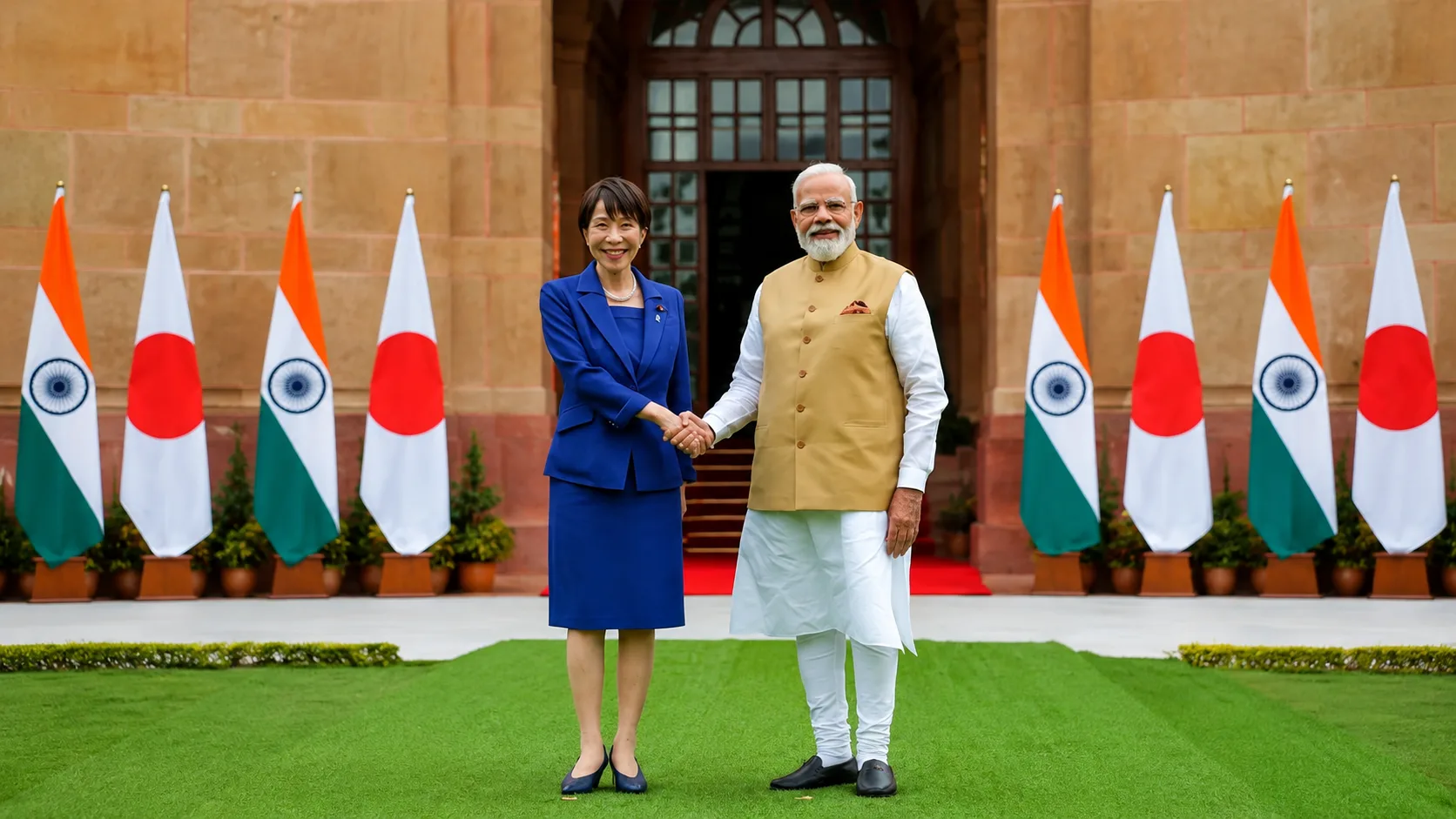
The move is being framed as a practical business push, but it is also a diplomatic one.
The division will study the rules and obstacles that Japanese companies face in India and take those issues up in summit and ministerial meetings. Those concerns include opacity of legal systems, varying regulations across states, and insufficient infrastructure.
A foreign ministry source told Hindustan Times, “We want to solve problems facing companies through diplomacy.”
Beyond trade

The foreign ministry had already signalled this direction when the division was created in April. At that time, it said the move would advance “public-private efforts to promote companies’ expansion of business and investment from Japan to India and to deepen cooperation in the area of economic security.”
That wording matters. It shows the new unit is not only about trade promotion. It is also about building a more stable economic relationship in a strategic environment where supply chains, investment flows, and industrial policy all matter.
On April 1, MOFA established the Japan-India Economic Affairs Division under the Southwest Asia Division, Southeast and Southwest Asian Affairs Department. Through the establishment of the Japan-India Economic Affairs Division, MOFA will further make public-private efforts to…
— MOFA of Japan (@MofaJapan_en) April 1, 2026
Also Read | ‘I am resigning from service’: FIR filed against deepfake video of Delhi cop
A market too promising to ignore

Tokyo is paying closer attention. Japan has set a target of 10 trillion yen in private-sector investment in India over 10 years, and it has already decided on investment programs worth about 2 trillion yen.
Japanese companies still see strong promise in the Indian market, which ranked first for the fourth straight year in a 2025 survey by the Japan Bank for International Cooperation.
There is also a broader policy backdrop on the Indian side.
The Embassy of India in Tokyo says the earlier “Japan Plus” team was created to fast-track Japanese investments into India. That team was meant to support the Indian government in initiating, attracting, facilitating, and handholding Japanese investment, while also identifying prospective Japanese firms, including small and medium enterprises.
Simply put, both sides have been building dedicated channels to reduce friction and keep capital moving.

A market too promising to ignore
The business relationship is already sizeable, but there is room to grow. Japan’s foreign direct investment in India rose to $2.48 billion in FY 2024-25 from $1.49 billion in FY 2021-22. The cumulative Japanese investment in India from April 2000 to December 2024 stood at $43.28 billion, placing Japan fifth among source countries for FDI.
Bilateral trade between the two countries totalled $27.47 billion in FY 2025-26, with Japan ranking 10th in India’s total trade and India ranking 14th in Japan’s.
What the new division signals is a more hands-on phase in Japan’s India strategy. Tokyo is no longer treating India only as a distant growth market.
The new unit is the latest institutional answer to that shift.
Also Read | Bankipur’s big Monday: Prashant Kishor takes on BJP’s home turf
FAQs
Q1: Why has Japan created a new ministry unit for India?
Japan has set up the Japan-India Economic Affairs Division to help its companies, especially SMEs and startups, enter and expand in the Indian market while addressing business challenges through diplomatic engagement.
Q2: How will the new Japan-India Economic Affairs Division support businesses?
The division will study regulatory and investment issues faced by Japanese firms in India and work with both governments to facilitate smoother market access and stronger economic cooperation.