





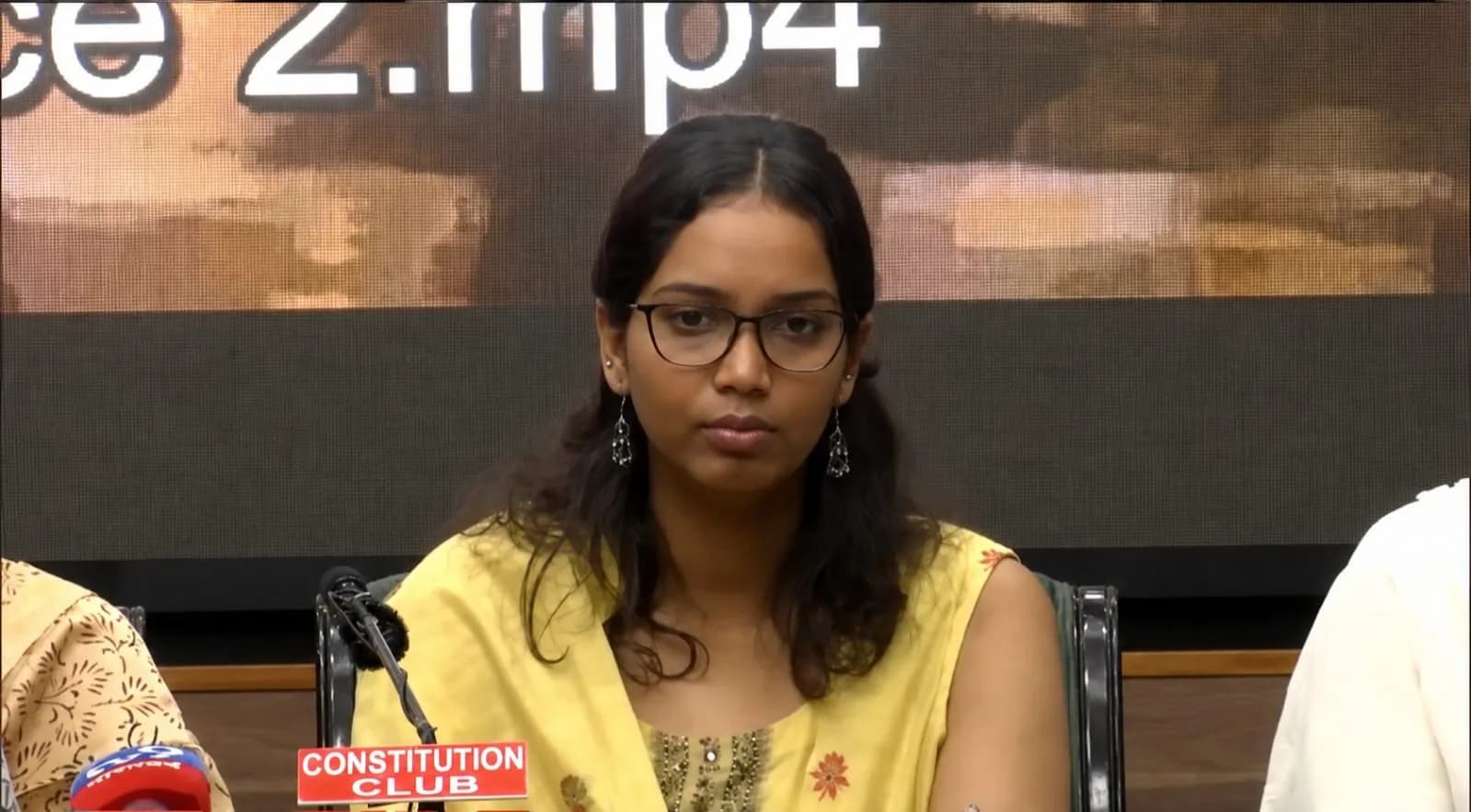

















Noida Police registered a zero FIR on July 29 against 25-year-old Ruchika Singh, a resident of Lotus Zing Society in Sector 168, over abusive remarks she allegedly made against Prime Minister Narendra Modi during a protest at Delhi’s Jantar Mantar on July 23.
The complaint was filed by Supreme Court advocate Smriti Singh, who said she had seen a video of the incident and found the language objectionable.
The FIR was lodged at the Expressway police station and invoked Sections 352, 353(1) and 356(1) of the Bharatiya Nyaya Sanhita, before being transferred to Delhi Police because the alleged incident took place in Delhi.
Also Read | How rich is Shehzad Poonawalla? Why his net worth remains unverified
@PreetiChoudhry @IndiaToday Mindless vulgar abuse is not equivalent to angry criticism. If one abuse vulgarly a man or woman in public it can lead to action under law . Even a common citizen can complain and based on evidence action can be taken . https://t.co/wAJWrTT676
— Asoka (@Mitran32) July 31, 2026
When abusive speech becomes a crime
The case has reopened a familiar legal question: does abusive or vulgar language, by itself, amount to a crime?
The straight answer under the BNS is no. The law does not criminalize every instance of offensive speech. There are some deciding factors like the context of the remark, its intent, and likely consequences.
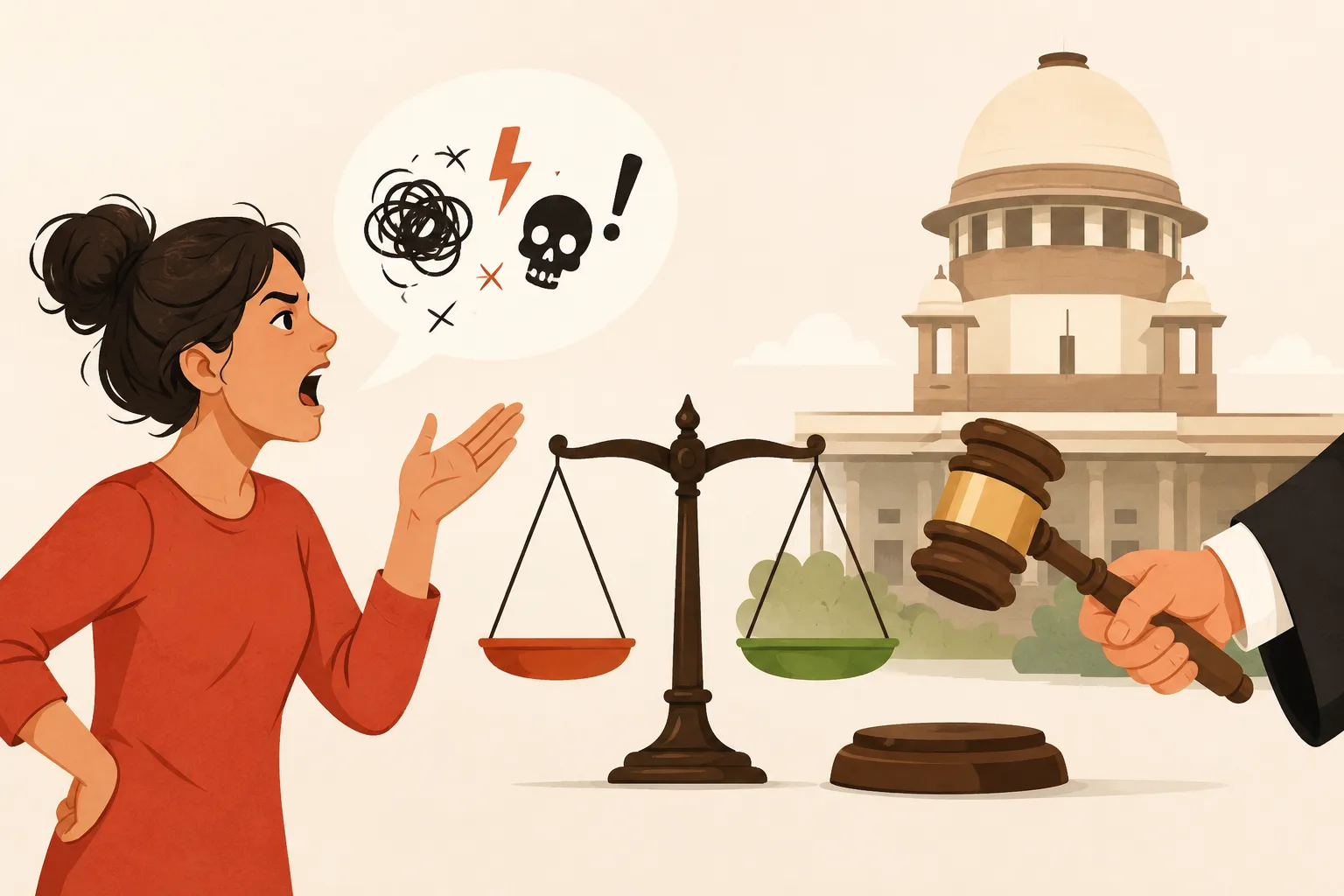
Any rude remark is not automatically a criminal offense unless it fits a specific legal provision and meets its threshold.
That distinction matters because public outrage often treats profanity as punishable on its own. Indian criminal law asks a narrower question about whether the speech was meant to provoke disorder, threaten someone, or damage reputation.
Word of the day: Free Speech
— Padmaja Joshi (@PadmajaJoshi) July 31, 2026
I stand with Ruchica Singh’s right to free speech, as long as it’s not a call to violence or harming someone.
But I don’t see this outrage over crushing of free speech on other occasions when it truly matters.
Why? pic.twitter.com/Y12fpH50a1
The legal provisions under the BNS
Official material identifies Section 352 as “Intentional insult with intent to provoke breach of peace,” while the classification schedule says it carries up to two years in prison, a fine, or both.
Also Read | Cauvery row: Questions raised over Karnataka’s legal strategy after CWMA order
Moreover, if abusive language is accompanied by threats, Section 351 on criminal intimidation may apply. Additionally, false allegations harming reputation can fall under Section 356 on defamation.
A separate provision, Section 78, covers words, gestures, or conduct intended to insult the modesty of a woman.
Dear Phraand .. we are #justasking pic.twitter.com/OvnHfpTn1R
— Prakash Raj (@prakashraaj) July 31, 2026
Supreme Court’s distinction between profanity and obscenity
The legal debate also turns on a long-running distinction made by courts between obscenity and profanity.
The Supreme Court has repeatedly held that profanity alone is not obscenity. The Court said that “legally, obscenity is not synonymous with ‘vulgarity,’ ‘abuse,’ or ‘profanity.'”
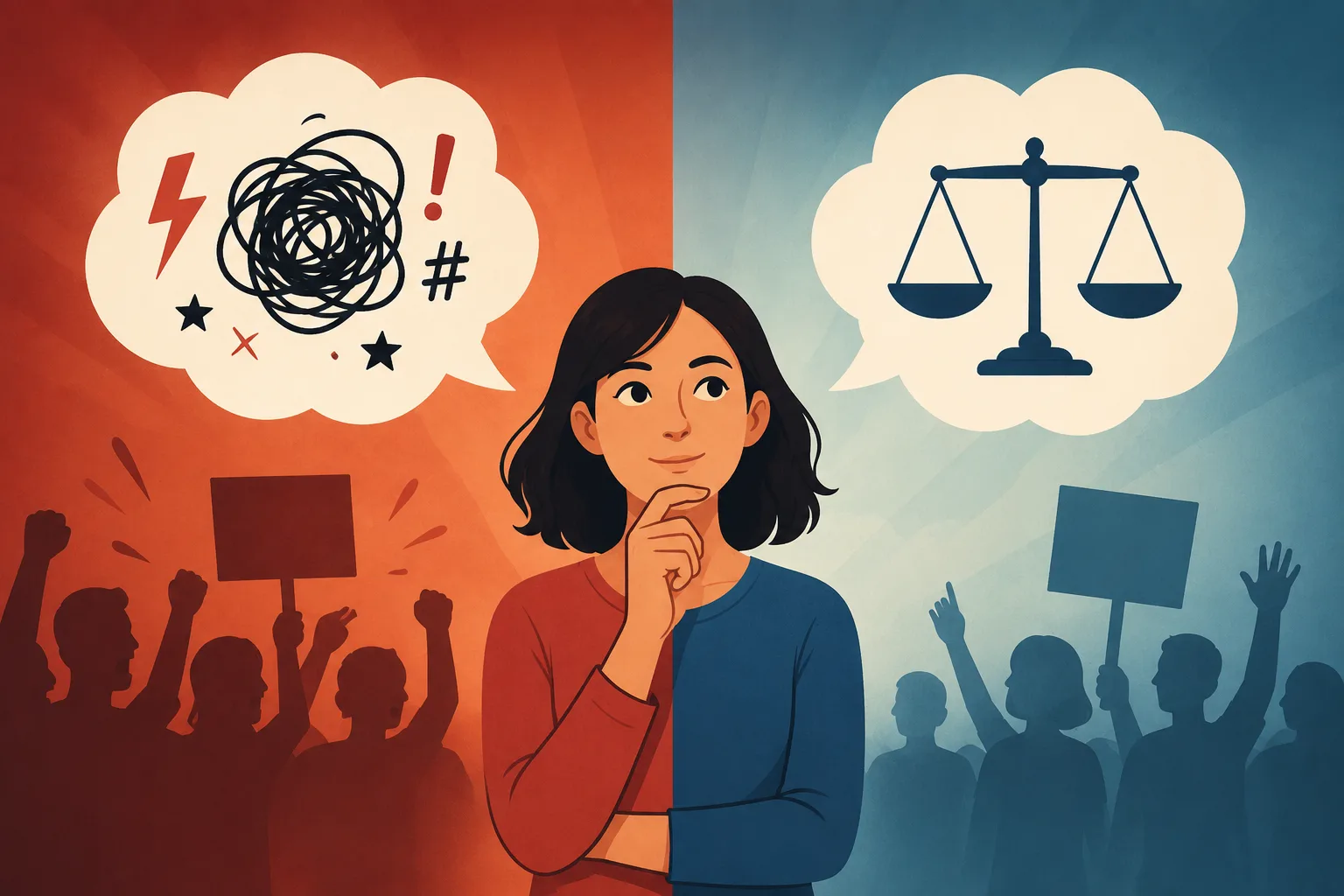
Courts have required a higher bar for criminal liability. The speech must be shown to be lascivious or likely to arouse sexual interest before it can be treated as obscenity under criminal law.
Whether the remarks attributed to Singh cross the relevant threshold under Sections 352, 353(1), and 356(1) will now depend on the investigation and, if the matter reaches court, on judicial scrutiny of the facts.
Also Read | Reporter asks about injured Delhi Police, Rahul Gandhi replies: ‘Aap BJP ke ho kya?’ | WATCH
FAQs
Q1: Is abusive language a criminal offence under the Bharatiya Nyaya Sanhita (BNS)?
Not by itself; abusive speech becomes punishable only if it fulfils the legal requirements of specific offences under the BNS.
Q2: What is Section 352 of the Bharatiya Nyaya Sanhita (BNS)?
Section 352 of the BNS deals with intentional insults made with the intent, or knowledge that they are likely, to provoke a breach of peace.