























India’s Monsoon Tracker shows signs of gradual recovery, with the nationwide rainfall deficit improving from 30% at the end of June to 14% by July 9. While the overall numbers indicate better monsoon progress, the latest India Meteorological Department (IMD) data reveals that rainfall distribution remains highly uneven across the country.
More than half of India’s districts continue to report deficient rainfall, raising concerns for agriculture, water availability and food inflation. At the same time, fresh weather systems developing over the Bay of Bengal are expected to trigger heavy rainfall across eastern India in the coming days.
Monsoon Tracker highlights widespread rainfall deficit
According to Financial Times, the latest Monsoon Tracker data shows that 410 out of 741 districts fall under the deficient or large-deficient rainfall category, accounting for nearly 55% of the country. In contrast, only 108 districts have recorded excess or large excess rainfall.
States such as Jharkhand, Bihar, Telangana, Karnataka and Uttar Pradesh continue to remain under significant rainfall stress. Jharkhand is among the worst affected, with almost all of its districts reporting deficient rainfall, while Bihar has nearly nine out of every ten districts facing below-normal precipitation.
Although the national rainfall deficit has narrowed considerably over the past two weeks, the improvement has not been evenly distributed. Many eastern, central and southern districts are yet to receive sufficient rainfall to support normal agricultural activity.
Also Read | New IRCTC Beta website goes live with a simpler booking experience

Heavy rainfall likely as new weather system develops
Financial Times noted that the Monsoon Tracker also reflects changing weather conditions as the IMD forecasts an active spell over eastern and northeastern India.
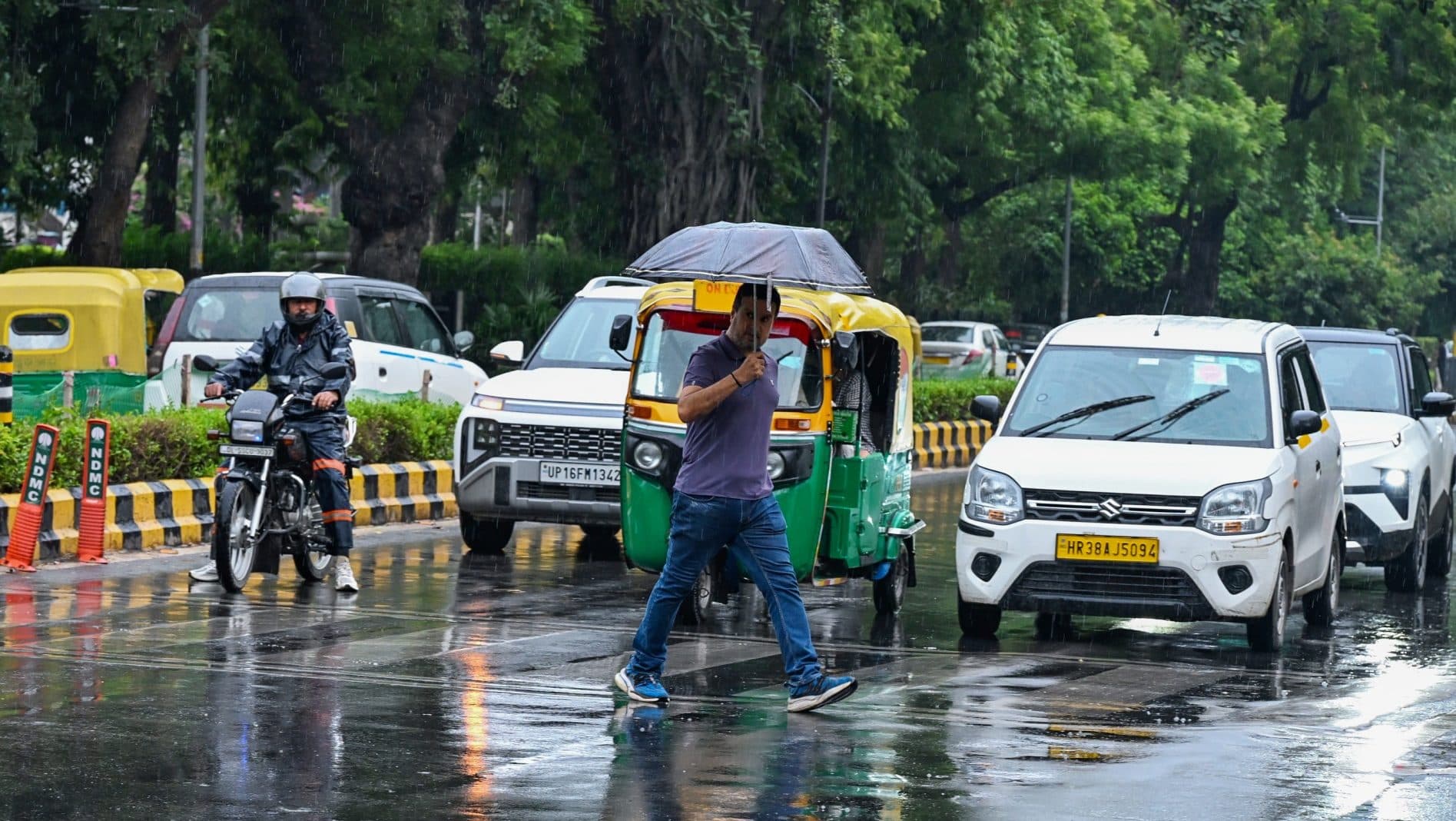
A developing low-pressure area over the North Bay of Bengal is expected to strengthen rainfall activity across Odisha, West Bengal, Jharkhand, Bihar and neighbouring states. Odisha has already received intense showers, prompting warnings for local flooding, waterlogging and transport disruptions.
Heavy rainfall is also forecast for Meghalaya, Tripura and parts of the Himalayan region, including Uttarakhand. Meanwhile, rainfall activity over Maharashtra and parts of Uttar Pradesh is expected to remain moderate, while several southern states continue to experience hot and humid weather.
Also Read | ‘Would be a matter of great shame’: Plea as Delhi HC directs Centre to monitor Sonam Wangchuk’s health
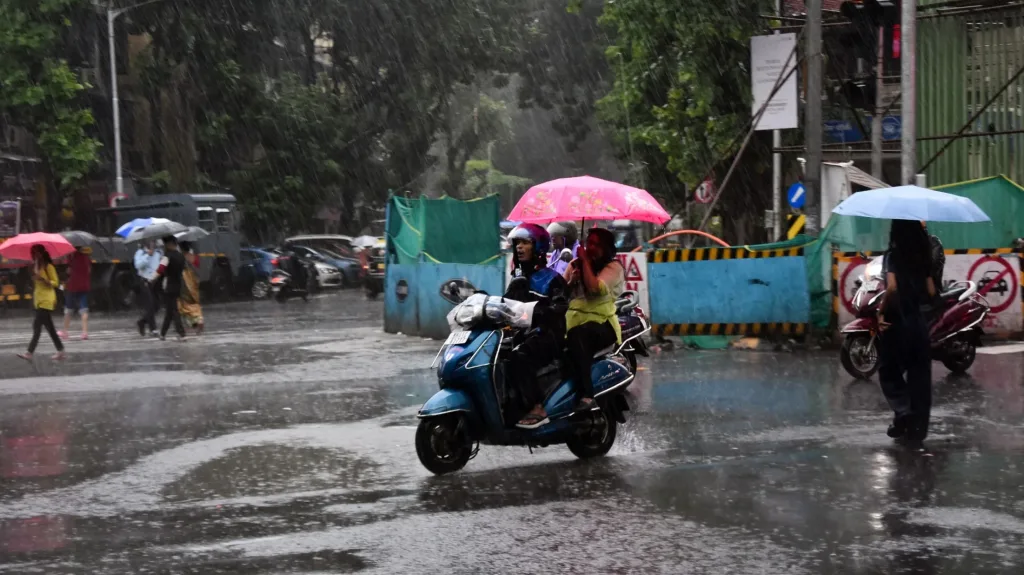
Uneven rains keep agriculture and inflation in focus
Despite the improving national numbers, the Monsoon Tracker continues to be closely watched because of its direct impact on agriculture and food prices.
An uneven monsoon can delay kharif sowing, reduce crop yields and eventually contribute to higher food inflation. Experts believe crude oil prices and rainfall will remain the two biggest factors influencing inflation in the coming months.
The IMD has advised fishermen to avoid venturing into parts of the Arabian Sea and Bay of Bengal due to strong winds and rough sea conditions. Authorities are also monitoring the evolving weather systems that could influence rainfall patterns during the second half of July.
With fresh rain-bearing systems becoming active, the coming weeks will be crucial in determining whether the Monsoon Tracker reflects a broader recovery across India’s rain-deficient regions or whether significant regional imbalances continue to persist.