





















Weekend getaways, parties and late-night binge sessions are often seen as a well-earned break after a busy week. But according to cardiac electrophysiologists, these seemingly harmless weekend habits could quietly increase the risk of dangerous heart rhythm disorders, even among people with no known history of heart disease.
The warning comes from a cardiac electrophysiologist who shared the case of a friend who frequently felt uneasy after consuming alcohol or coffee. An ECG later revealed frequent irregular heartbeats linked to these common lifestyle triggers, highlighting how everyday habits can affect the heart’s electrical system.
Alcohol and caffeine can trigger irregular heartbeats
One of the most recognised conditions linked to weekend indulgence is Holiday Heart Syndrome, where excessive alcohol consumption triggers atrial fibrillation or other abnormal heart rhythms. Alcohol can alter the heart’s electrical activity, cause dehydration, disturb electrolyte balance and increase stress hormone levels, making the heart more vulnerable to rhythm disturbances.
Also Read | Forget retirement at 60: Why young professionals are taking breaks now
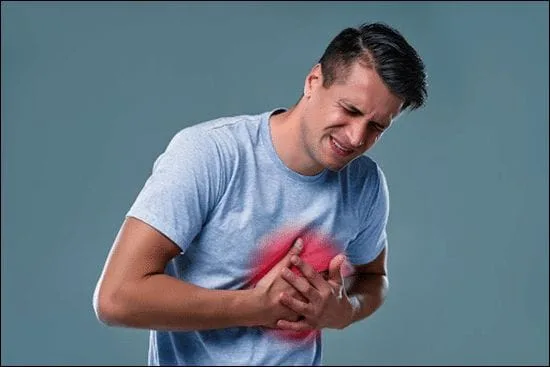
People may experience symptoms such as palpitations, a racing heartbeat, dizziness or breathlessness after heavy drinking. Excessive caffeine and energy drinks can also overstimulate the heart and trigger skipped beats or palpitations in some individuals.
Late nights, poor sleep and unhealthy eating add to the risk
Weekend routines often involve staying up late, irregular meals, binge-watching and disrupted sleep patterns. These changes affect the autonomic nervous system, which helps regulate heart rhythm, potentially increasing the risk of arrhythmias.
Overeating is another common concern. Meals rich in salt, sugar and saturated fats can temporarily raise blood pressure and blood sugar levels. Repeated unhealthy eating habits over time also contribute to obesity, diabetes, hypertension and high cholesterol, major risk factors for cardiovascular disease.

The ‘weekend warrior’ effect
Doctors also caution against becoming a “weekend warrior”, remaining inactive throughout the week before engaging in intense physical activity over the weekend. While regular exercise is essential for heart health, sudden strenuous workouts without proper conditioning can trigger abnormal heart rhythms, particularly in people with undiagnosed heart conditions.
Also Read | What is the world’s most visited country? Here’s the answer
Stress associated with travel, financial worries, family commitments or anxiety about returning to work can also increase adrenaline levels and contribute to heart rhythm disturbances.
Consistency is key for a healthy heart
Experts say the heart benefits more from consistency than perfection. Maintaining regular sleep schedules, staying hydrated, eating balanced meals and exercising moderately throughout the week are healthier than alternating between weekday discipline and weekend excess.
People with a history of heart rhythm disorders should minimise alcohol intake and avoid binge drinking. Yoga and meditation may also support heart rhythm by reducing stress and improving overall cardiovascular health.
Anyone experiencing recurrent palpitations, unexplained fainting, persistent dizziness or episodes of rapid heartbeat, especially after weekends, should seek medical attention instead of dismissing the symptoms as stress or fatigue, as they could be early signs of an underlying cardiac rhythm disorder.
FAQs
What is Holiday Heart Syndrome?
It is a condition in which excessive alcohol consumption triggers abnormal heart rhythms, particularly atrial fibrillation, even in people without existing heart disease.
Which weekend habits can increase the risk of heart rhythm disorders?
Heavy alcohol intake, excessive caffeine, poor sleep, overeating, sudden intense exercise and high stress can all increase the risk of irregular heartbeats.