





















Due to the cooler weather and less sweat formation, many people dink less water during monsoons. Despite looking harmless, this can have serious health implication. Dr. Neeraj Kumar, senior consultant, internal medicine, ShardaCare HealthCity has the explanation.
The impact
In an interview with HT Lifestyle, Dr. Neeraj Kumar said that inadequate hydration in monsoon can lead to reduced kidney function, increasing the risk of urinary tract infection (UTIs) and kidney stone formation.
Also Read | What is sugar dating? Here’s why young Indians prefer lifestyle support over true companionship
Moreover, mild dehydration can affect mental and physical performance, such as fatigue, headaches, dizziness, poor concentration, and irritability. Children, older adults, pregnant women, and individuals with chronic illnesses are vulnerable to the effects of dehydration.
Also Read | From desk jobs to disease: 8 in 10 working Indians overweight as lifestyle illnesses hit younger age groups
Neeraj also highlighted that replacing water with tea, coffee, or sugary beverages during rainy weather is not sufficient, as excessive caffiene or sugar intake may worsen dehydration or contribute unnecessary calories.
The solution
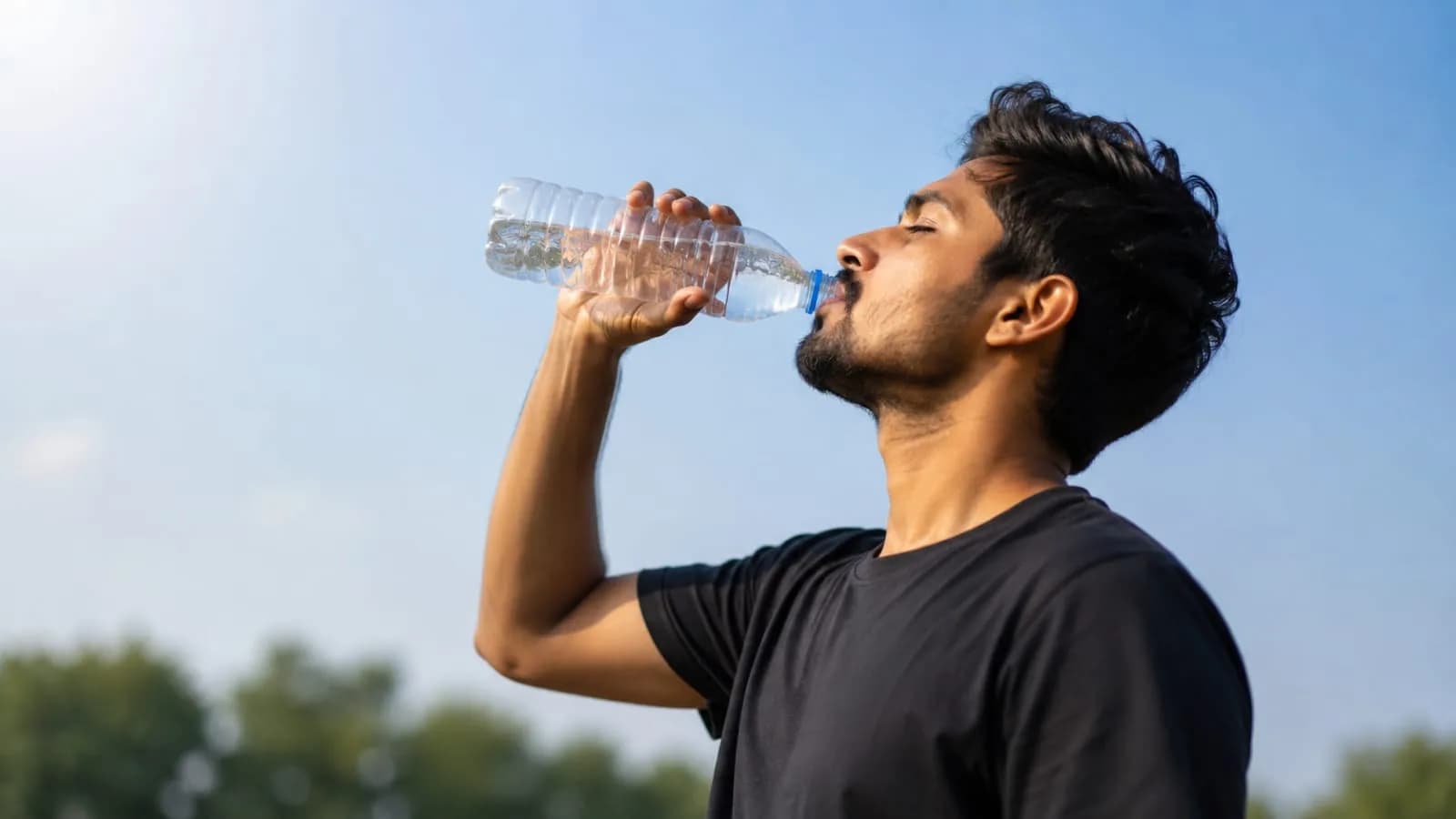
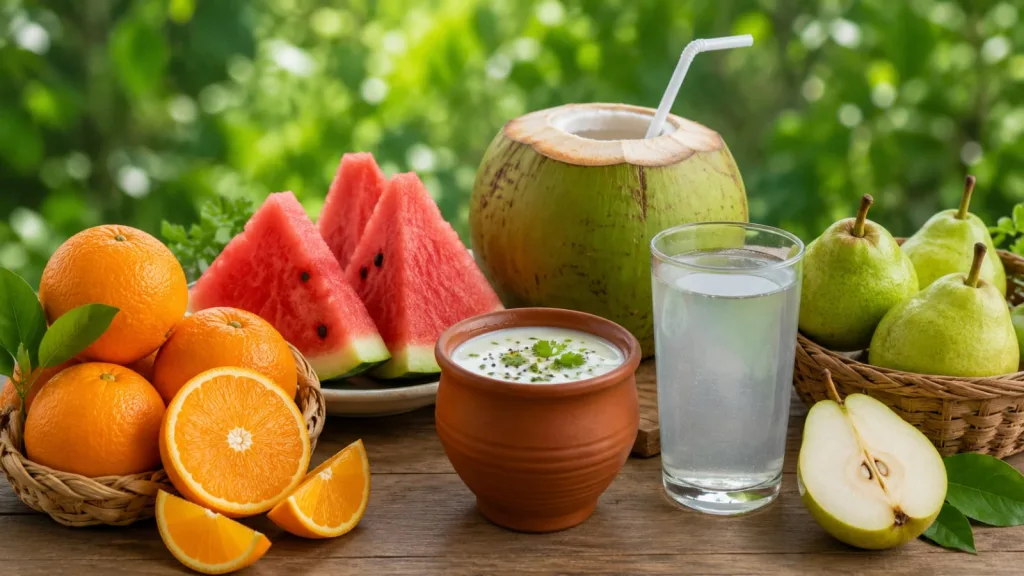
The best way to remain hydrated during monsoon is to drink at least 2-3 litres of water or other fluids. Daily fluid intake can also be supplemented by Fresh coconut water, homemade soups, buttermilk, and water-rich fruits such as oranges, pears, and watermelon.
Staying adequately hydrated is an essential habit that supports kidney health, digestion, immunity, and overall well-being.
FAQs
Who is Dr. Neeraj Kumar?
Dr. Neeraj Kumar is an experienced physician with over 15 years of expertise in general medicine and his areas of specialisation are diabetes, gastroenterology, pulmonology, nephrology, cardiology, and neurology.
What can inadequate hydration cause?
Dr Neeraj Kumar explained that reduced hydration can reduce kidney function, increasing the risk of urinary tract infections (UTIs) and kidney stone formation.