





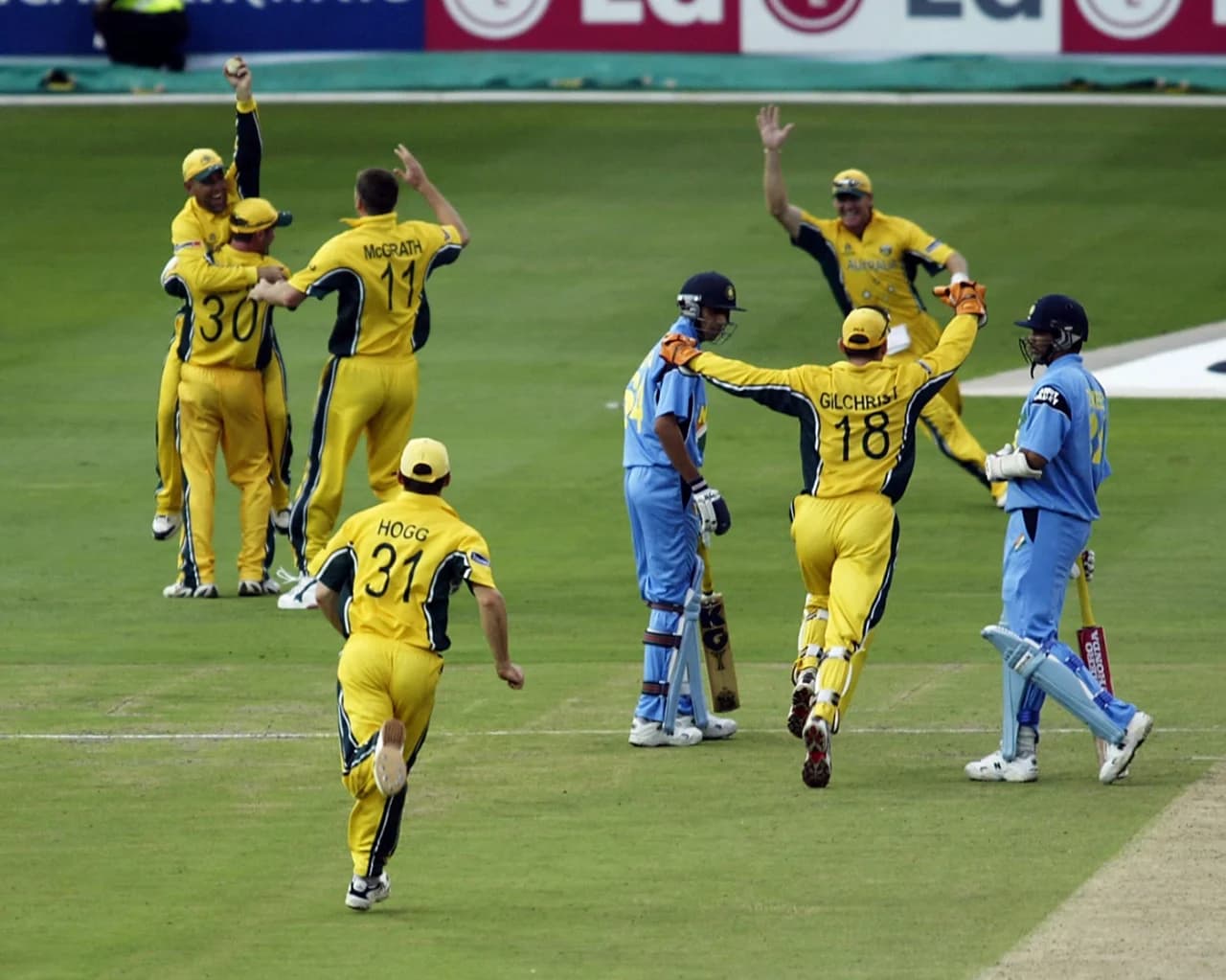










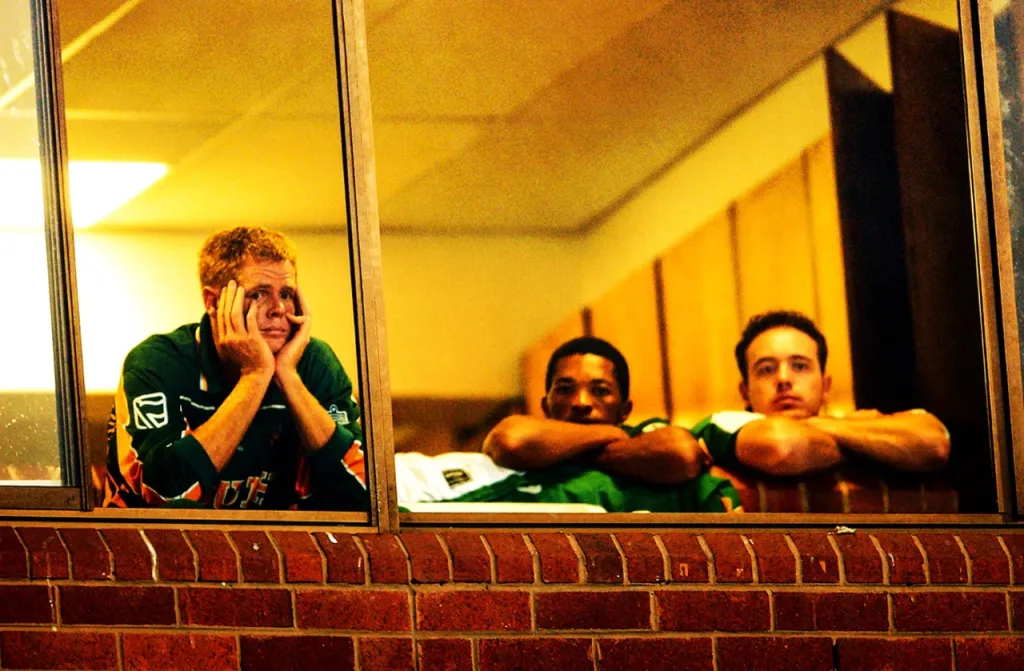
It was the 2003 summer; India came out to play the Cricket World Cup final against the mighty Australia under the leadership of Sourav Ganguly, the whole country holding the hopes, preparing for a celebration. India was waiting for another World Cup triumph after 20 long years, but dreams faded in Johannesburg; a contest of legends turned out as death of all hopes. India finished as runner-up; the whole country mourned. Ricky Ponting’s Australia clinched the World Cup final for the second time in a row, relying on Glenn McGrath and Brett Lee’s speed and Ricky Ponting and Adam Gilchrist’s unreal touch; Australia defended the trophy successfully.
It's the India vs Australia final—destiny calls for us to redeem the tears and heartbreak of the 2003 World Cup. #INDvsAUS
— Ankur Mishra (@iAnkurMishra) November 16, 2023
Come on, India! Let's write a new chapter in global cricket supremacy. 🇮🇳🇮🇳🇮🇳 pic.twitter.com/pC1jSfSydz
In 2003, the World Cup was hosted by South Africa, Zimbabwe and Kenya; matches were played across 14 grounds, and 14 teams participated to play 54 matches in the grand fest of cricket. South Africa hosted 46 matches, including the opening ceremony and the final at the Wanderers Stadium; Zimbabwe hosted 6 matches; and Kenya hosted 2 matches of the tournament.
2003 Cricket World Cup, known for upsets
The 2003 Cricket World Cup was special in many ways; on the one hand, it was the first time that 14 teams played together; on the other hand, cricket enthusiasts witnessed so many upsets.
Teams like Pakistan, England, West Indies and hosts South Africa failed to qualify for the next stages, while political unrest helped teams like Kenya and Zimbabwe to move forward. 2003 was the year when first time, a non-Test-playing nation, Kenya, reached the semi-finals.
Cricket God Sachin Tendulkar became the first player to smash 600 runs in a single edition of the World Cup, while Chaminda Vaas, Glenn McGrath, and Brett Lee became the first to take more than 20 wickets in a World Cup.
#OnThisDay in 2003 ODI World Cup, Sachin Tendulkar hits the One of the Greatest Six of All Time to Shoaib Akhtar 🐐🐐
— Cric18 (@Criclav_18) March 1, 2023
On that day, Shoaib Akhtar and Waqar Younis saw the GOD🐐#INDvPAK #IPL2023 #INDvAUS #INDvsAUS #SachinTendulkarpic.twitter.com/lz1y3fS7gM
Controversies a synonym for the 2003 World Cup
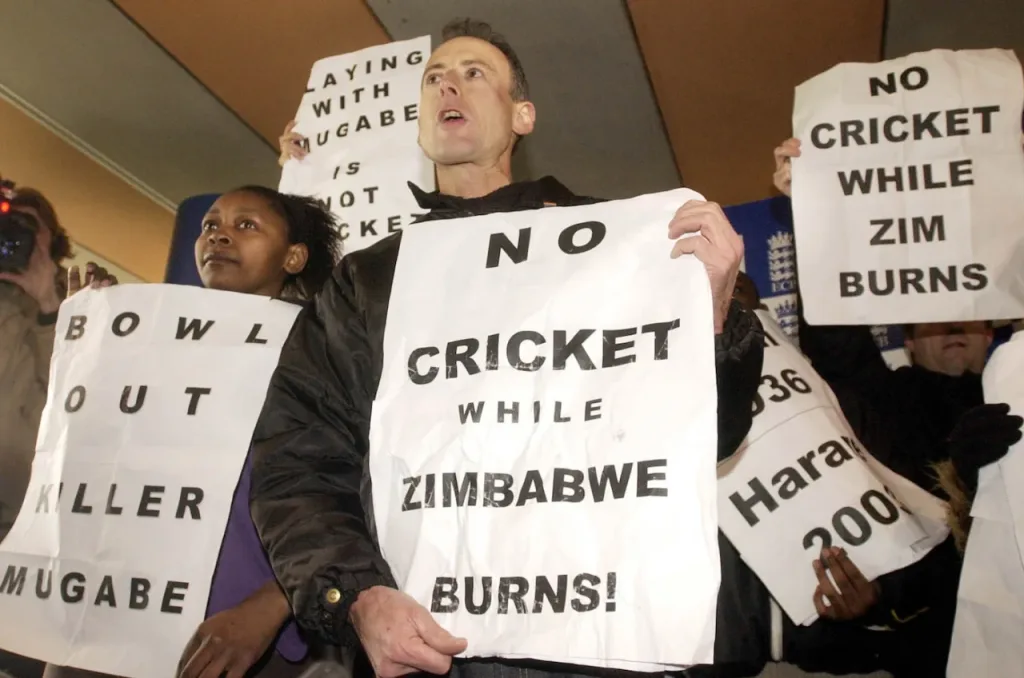
During the 2003 World Cup, Zimbabwe was under the rule of President Robert Mugabe; it was a black chapter of Zimbabwe’s prestigious history as Muagabe’s Zimbabwean President Robert Mugabe. His government was facing widespread international condemnation for human rights abuses and violent land-redistribution policies.
Heavy police presence at Robert Mugabe Square following calls for mass protests against the recently passed Constitutional Amendment Act (CAA)3 pic.twitter.com/GCnYfA0b3q
— HStvNews (@HStvNews) July 31, 2026
The then prime minister of England, Tony Blair, heavily pressurised the England team not to travel to Harare for the scheduled group match, which ultimately cost them a place in Super 6. Similarly, New Zealand also protested, citing security reasons and didn’t travel to Kenya. Andy Flower and Henry Olonga wore black armbands during matches to “mourn the death of democracy” under the Mugabe government, sparking global debate and forcing both players into exile.
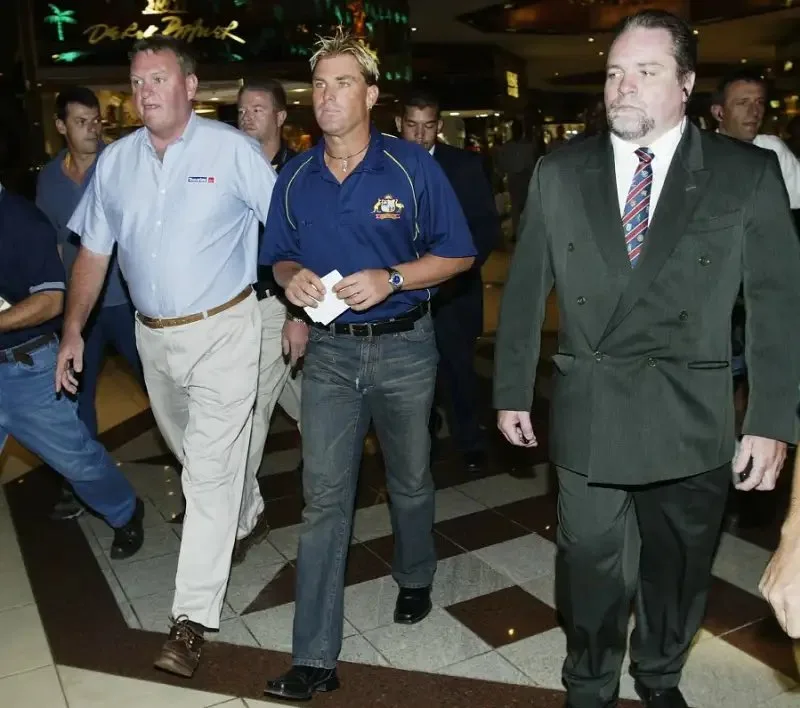
Shane Warne, the Australian legend, tested positive for a banned diuretic (Moduretic) and earned a one-year suspension, which led him to go home before the tournament would have started.
The 2027 Cricket World Cup
Cricket World Cup is coming back to the African region after 24 years; the 2027 World Cup will be played in South Africa, Zimbabwe and Namibia, and the tournament will take place from October 4 to November 21, 2027; 14 teams will play 57 matches.
Destiny awaits across South Africa, Zimbabwe and Namibia at #CWC27 🤩 pic.twitter.com/lPjnozfZiT
— ICC (@ICC) July 30, 2026
The 2027 ICC Cricket World Cup will be played across 12 venues. South Africa will host games at eight venues, Zimbabwe at three, and Namibia at one in Windhoek.