





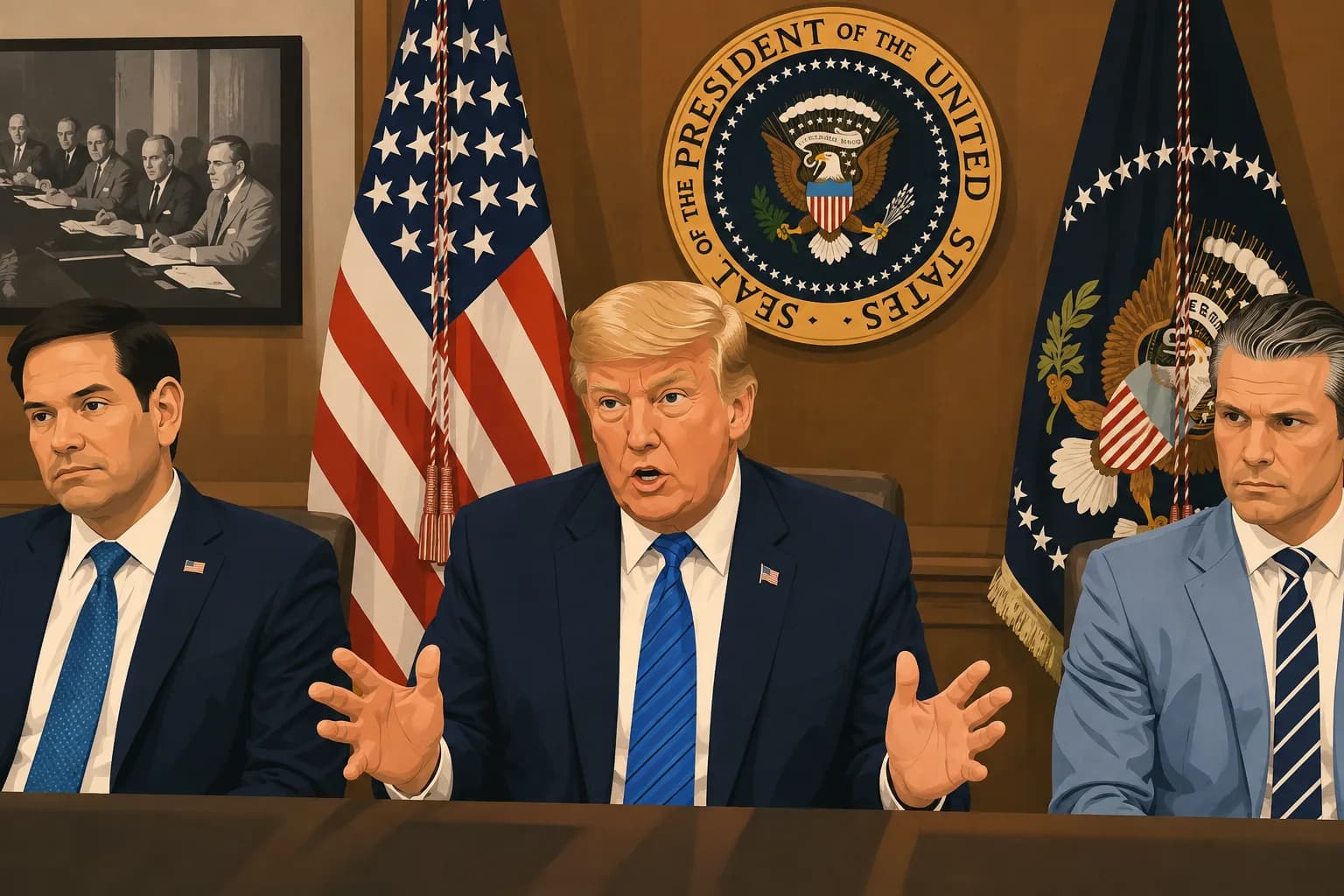

















The latest escalation in the US-Iran standoff centres on a simple but dangerous question. Will Washington launch fresh strikes on Iran this weekend or stop short for now? Trump has publicly warned Tehran of “very hard” action and said, “We will be hitting them very hard…and at some point, they will say we just can’t take it anymore,” during a Cabinet meeting at Camp David on Friday.
The military option is being actively discussed, but no final strike order has been confirmed.
TRUMP: IRAN STRIKES STILL AN OPTION
— Washington Eye (@washington_EY) August 1, 2026
Trump says military action remains possible if talks fail, as Iran warns it will retaliate against any attack.#WashingtonEye pic.twitter.com/OippKAZlpf
Also Read | Trump’s rare Camp David retreat comes with Iran war, diplomacy and domestic pressure in focus
The drums grow louder
The pressure is being driven by a wider conflict that has already spread across the region. Trump said he wanted to “win” in Iran and signalled that US military action could continue for some time.
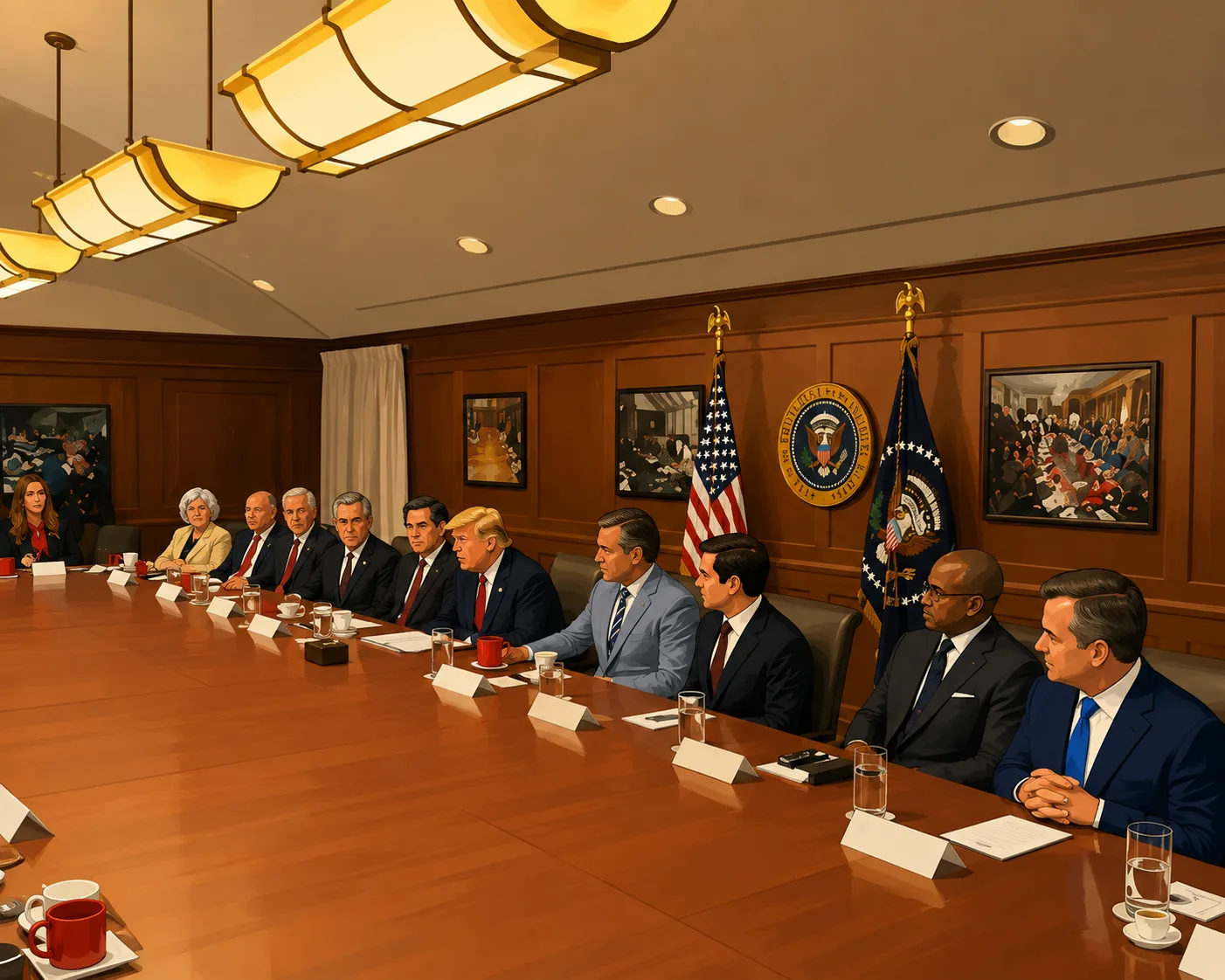
White House press secretary Karoline Leavitt sharpened that message, saying, “President Trump is not going to stand by and allow this terrorist behaviour to occur,” and adding that Iran would “continue to pay” until it came to the table in a way Trump considered meaningful.
Leavitt added that the US “will win, and Iran will not have a nuclear weapon under his watch”, while Pentagon spokesperson Sean Parnell said the department was “locked and loaded”.
🚨 JUST IN: MAJOR WARNINGS are going out from US embassies in the Middle East sounding the alarm for Americans of increased tensions and potential for conflict, as President Trump reportedly gears up a major bombing campaign in Iran
— Eric Daugherty (@EricLDaugh) August 1, 2026
Pray for the troops and all Americans in the… pic.twitter.com/avMo25X0tG
The ledger of consequences
The stakes are not only military. Officials have discussed targeting Iran’s energy infrastructure, including refineries.
Officials were also weighing whether to conclude strikes before financial markets opened on Monday, reflecting concern over the possible impact on the US and global economies.
Israeli coordination was underway, but Trump had still not given the final green light.
🇺🇸🇮🇷 The signs are stacking up.
— Mario Nawfal (@MarioNawfal) August 1, 2026
U.S. embassies across 10 Middle East countries: Oman, Iraq, UAE, Qatar, Israel, Jordan, Egypt, Saudi Arabia, Bahrain, Kuwait, issued fresh alerts today urging Americans to leave.
A C-130 was spotted over Erbil, reportedly pulling out ahead of the… pic.twitter.com/wxJ8cVuv33
Tehran answers
Tehran has responded with its own warnings. Iran’s military accused the United States of “escalating tensions in the region” and warned countries not to support Washington.
Ali Abdollahi, head of Iran’s military central command, said, “The United States is rapidly moving down the path of escalating tensions in the region,” and added that any country acting as a shield for the US would be “engulfed by the flames of war”.
Al Jazeera’s live blog also reported that Kuwaiti forces were responding to Iranian drone attacks.
President Trump has been enormously patient with Iran – trying to give the IRGC an off-ramp. But it's clear they only understand strength. With sustained pressure, we will achieve our objectives, and the world will be a far safer place. pic.twitter.com/UwsG5LOEmO
— Mike Pompeo (@mikepompeo) August 1, 2026
Beyond the immediate horizon
The tension is already spilling into nearby flashpoints. There have been reported drone attacks in Kuwait, damage to a tanker in the Strait of Hormuz, and a separate explosion near another vessel off Oman.
No casualties were reported in those shipping incidents.
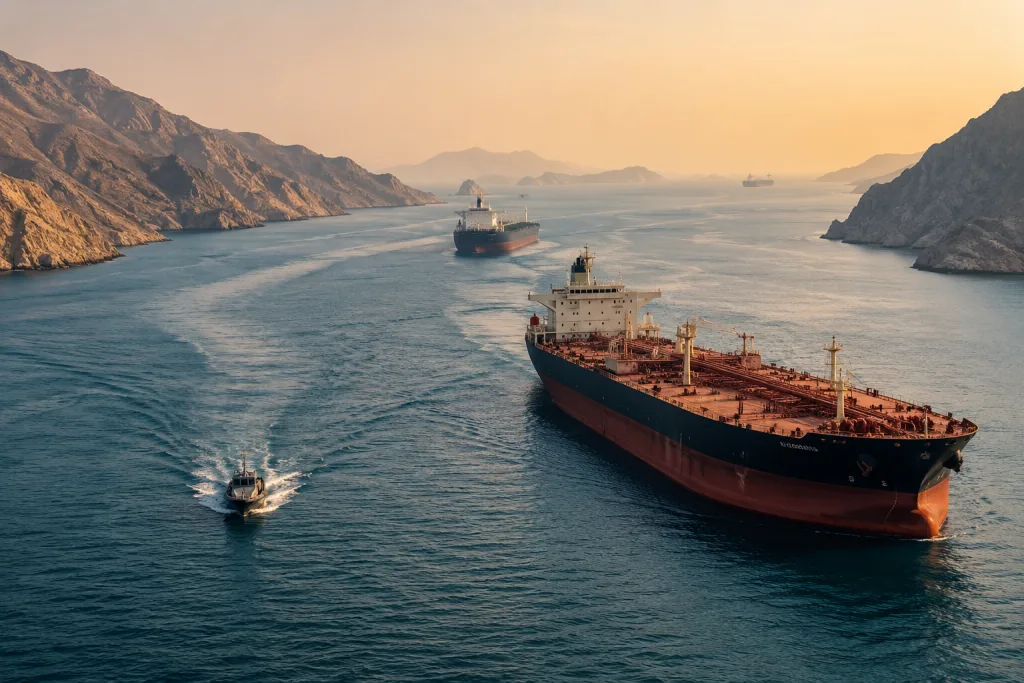
These episodes matter because the Strait of Hormuz is one of the world’s most sensitive energy choke points, and any disruption there can quickly affect oil, gas and freight markets.
Also Read | Mountaineering legend Nirmal Purja ‘Nimsdai’ reportedly dead after Broad Peak avalanche
FAQs
Q1: Is the US bombing Iran this weekend?
As of the latest reports, no final order for fresh US strikes on Iran has been officially confirmed, although President Donald Trump has warned of possible military action.
Q2: Why are tensions between the US and Iran escalating?
The crisis has intensified over military strikes, Iran’s nuclear programme, and fears of wider regional conflict involving key Middle East allies and shipping routes.