







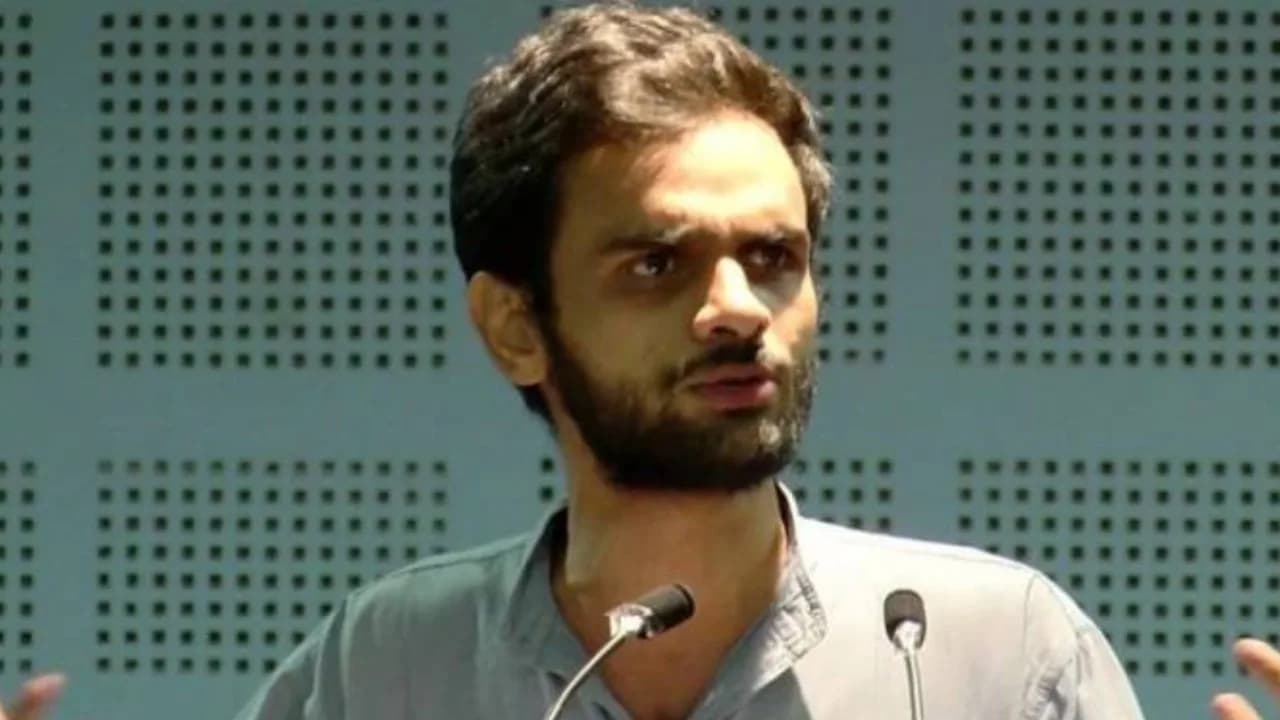













Former Delhi High Court Chief Justice A.P. Shah has criticised the prolonged incarceration of former JNU student leader Umar Khalid, saying political dissenters continue to remain behind bars while several convicted offenders have received bail or remission. AP Shah’s remarks on Umar Khalid came during an event on the judiciary’s role in protecting civil liberties held in Goa, where the retired judge also expressed concern over shrinking judicial independence and increasing restrictions on dissent.
Justice Shah said the judiciary must uphold constitutional values without fear or favour, warning that democratic institutions are under increasing pressure.
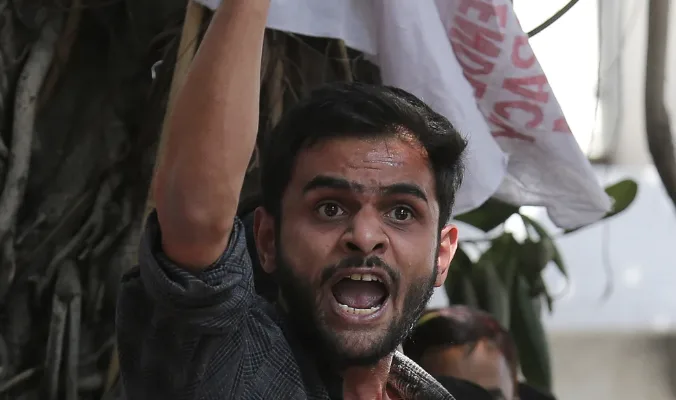
AP Shah Umar Khalid remarks highlight concerns over prolonged detention
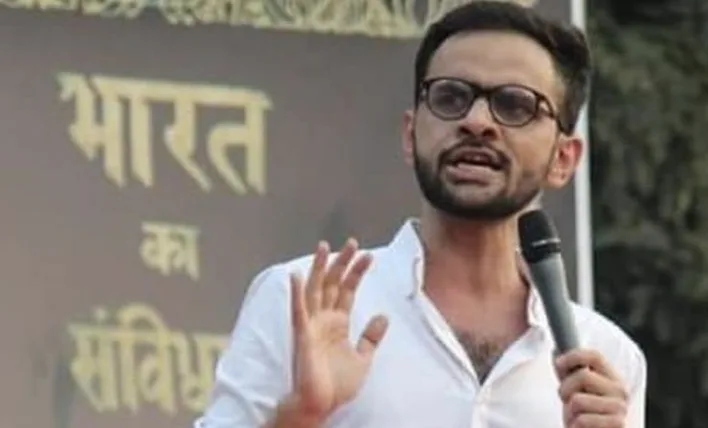
Speaking at a discussion organised by the High Court Bar Association in Goa, Justice Shah referred to Umar Khalid’s continued imprisonment in the 2020 Delhi riots conspiracy case under the Unlawful Activities (Prevention) Act.
AP Shah’s remarks on Umar Khalid questioned why individuals accused of serious violent crimes had obtained bail or remission while political dissenters remained incarcerated for years without the completion of trial.
Justice Shah said he was concerned that independent-minded judges were becoming fewer and stressed that the judiciary should remain committed to protecting individual liberties and constitutional rights.
Also Read | What are the achievements of Nirmal “Nimsdai” Purja?
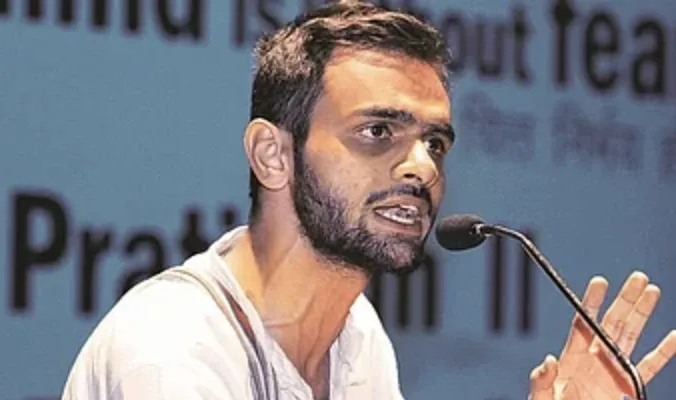
Retired judge raises wider concerns on civil liberties
Beyond Umar Khalid’s case, AP Shah’s remarks on Umar Khalid expanded to broader issues involving freedom of expression, demolition drives and the treatment of student protesters.
Justice Shah argued that criticism of governments should be answered through dialogue rather than criminal prosecution. He said activists, journalists, cartoonists and dissenters increasingly face investigations, legal action and harassment for expressing opposing views.
Referring to recent protests by students, he questioned the use of criminal cases and police action against demonstrators seeking political accountability.
He also criticised the continued use of bulldozer demolitions despite judicial guidelines, arguing that constitutional safeguards lose meaning if court orders are not effectively enforced.
Also Read | Delhi Lakshmi Yojana portal opens; over 1,000 women register
Judiciary must act independently, says Justice Shah
AP Shah’s remarks on Umar Khalid concluded with an appeal for judges to discharge their constitutional responsibilities without yielding to political or institutional pressure.
Justice Shah said courts do not need to become activist institutions but must faithfully apply the Constitution, principles of natural justice and the rule of law.
He also questioned the effectiveness of judicial directions if violations continue without timely enforcement, particularly in cases involving demolition drives and civil rights.
His comments come amid ongoing debates over judicial independence, preventive detention laws and the balance between national security and civil liberties in India.