




















The Cauvery dispute is one of south India’s longest-running interstate water conflicts.
At heart, it is a question of allocation. Karnataka is the upper-riparian state. Tamil Nadu is downstream. Kerala and the Union Territory of Puducherry are also part of the basin and the legal settlement.
The problem is simple to state and hard to solve. Water depends on monsoon rain, reservoir storage, and seasonal demand. That is why the row keeps coming back, especially in distress years when every release is treated as a loss by one state and a necessity by another.
Also Read | Delhi Lakshmi Yojana portal opens; over 1,000 women register
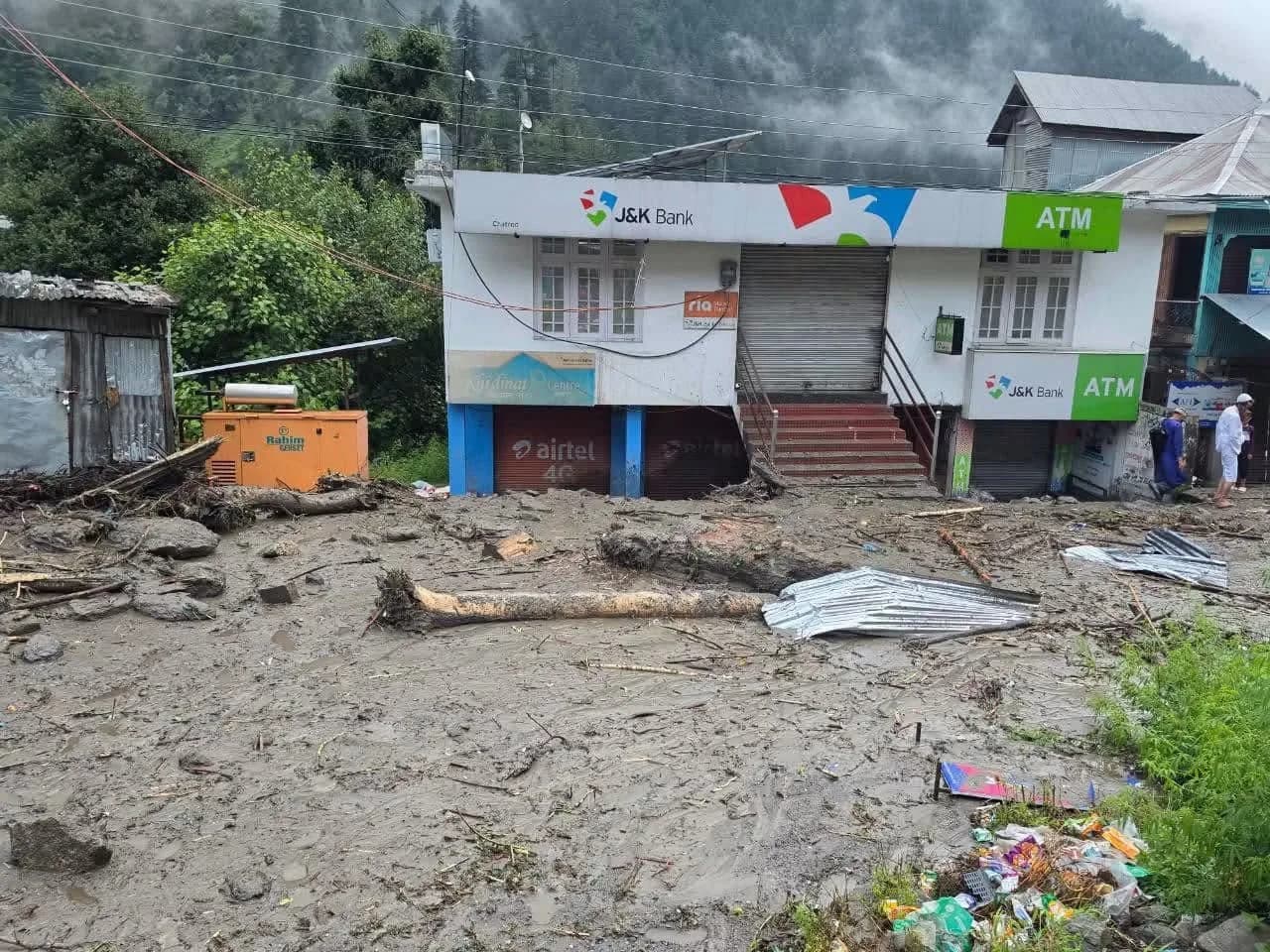
Kodagu is witnessing relentless rainfall, pushing the Cauvery River to dangerous levels. Bhagamandala's Triveni Sangama is completely full, with nearly 3 feet of water flowing over the Madikeri–Bhagamandala and Napoklu–Bhagamandala roads. Authorities are closely monitoring the… pic.twitter.com/UwuGzftFpP
— Akshay Gowda (@akshay_gowda_pv) August 1, 2026
A century-old quarrel
The dispute did not begin in the modern era. Tamil Nadu’s grievance goes back to colonial-era agreements of 1892 and 1924.

The 1924 arrangement expired in 1974. After further talks failed, Tamil Nadu lodged a request for adjudication, and the Union government constituted the Cauvery Water Disputes Tribunal in 1990 under the Inter-State Water Disputes Act, 1956.
The tribunal was asked to settle how the waters of the Cauvery basin should be shared among the basin states.
The tribunal’s final report, submitted on February 5, 2007, assessed the yield of the Cauvery basin at Lower Coleroon Anicut at 740 TMC (Thousand Million Cubic feet) on 50% dependability.
It allocated 30 TMC to Kerala, 419 TMC to Tamil Nadu, 270 TMC to Karnataka and 7 TMC to Puducherry, with 10 TMC reserved for environmental protection and 4 TMC for inevitable flow into the sea.
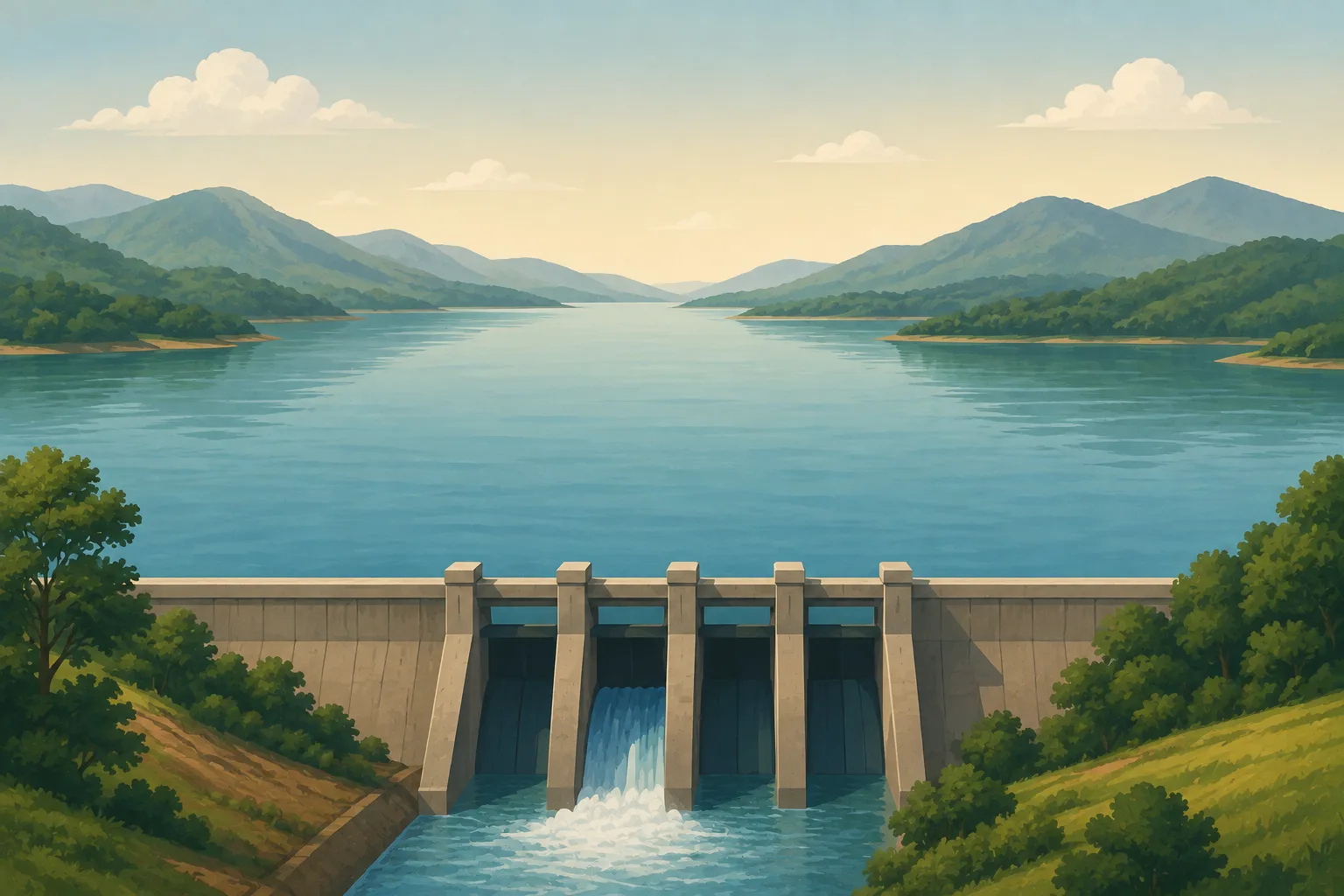
The award also said that in a distress year, the shares should be reduced proportionately among the basin states.
In practical terms, the award was meant to create a fixed formula for a river that does not flow in fixed quantities every year.
#WATCH | Mandya, Karnataka: Widespread farmer protests and road blockades have erupted across Mandya and Mysuru districts following directives to release water to Tamil Nadu.
— ANI (@ANI) July 30, 2026
The fury intensified after the Cauvery Water Management Authority (CWMA) rejected Karnataka's deferment… pic.twitter.com/TTPVWeEhVy
The scales were adjusted, not settled
The Supreme Court modified that arrangement in its judgment dated February 16, 2018.
It reduced Tamil Nadu’s share to 404.25 TMC and increased Karnataka’s share to 284.75 TMC. Kerala’s 30 TMC and Puducherry’s 7 TMC remained unchanged.
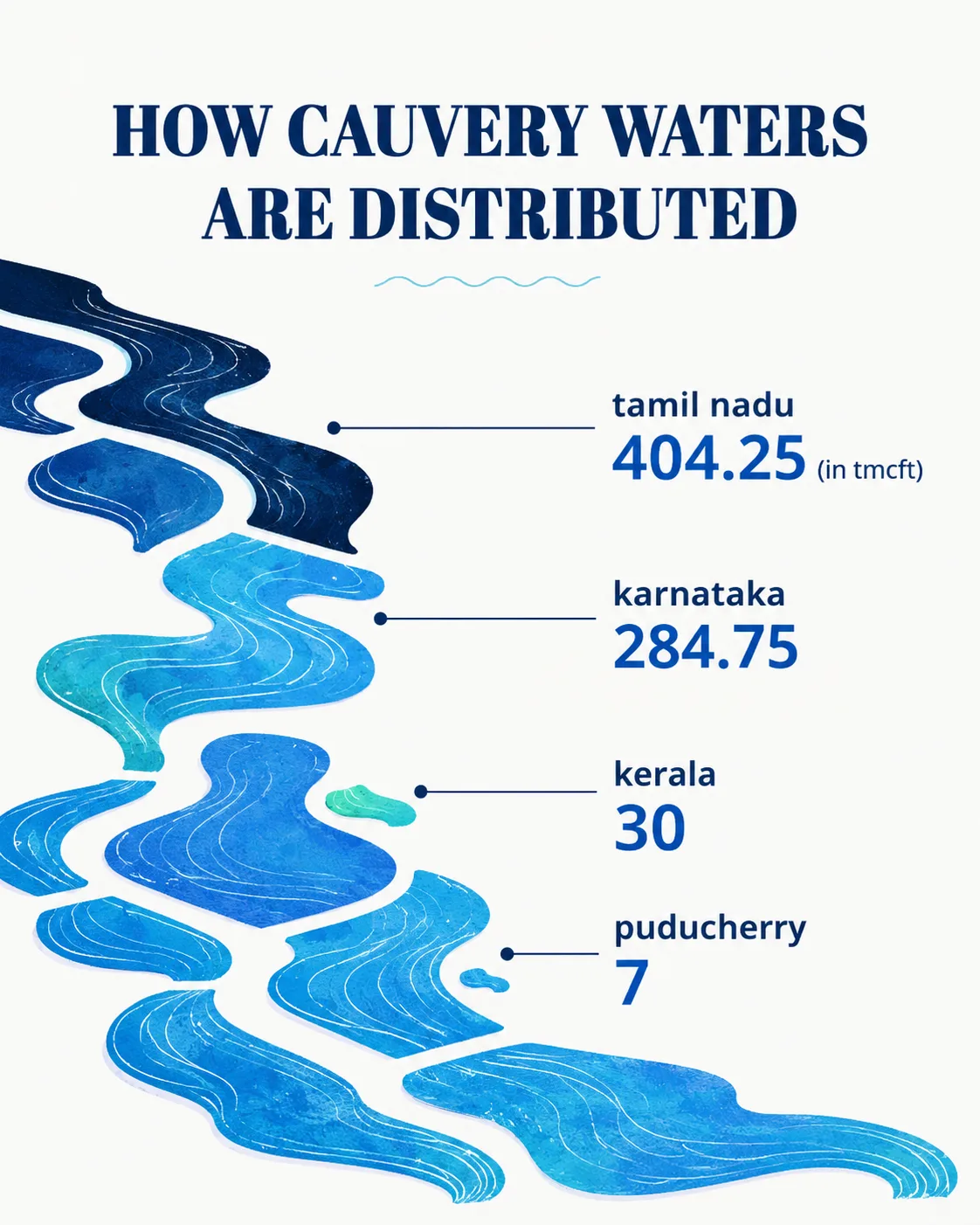
The court also said Karnataka must release 177.25 TMC annually at Biligundulu, the inter-state contact point with Tamil Nadu.
The government’s 2024 Rajya Sabha reply said the system is monitored by the Cauvery Water Management Authority (CWMA), which works with the Cauvery Water Regulation Committee during the water year from June 1 to May 31.
Also Read | India Post’s Spider-Man post goes viral, but not for the reason expected
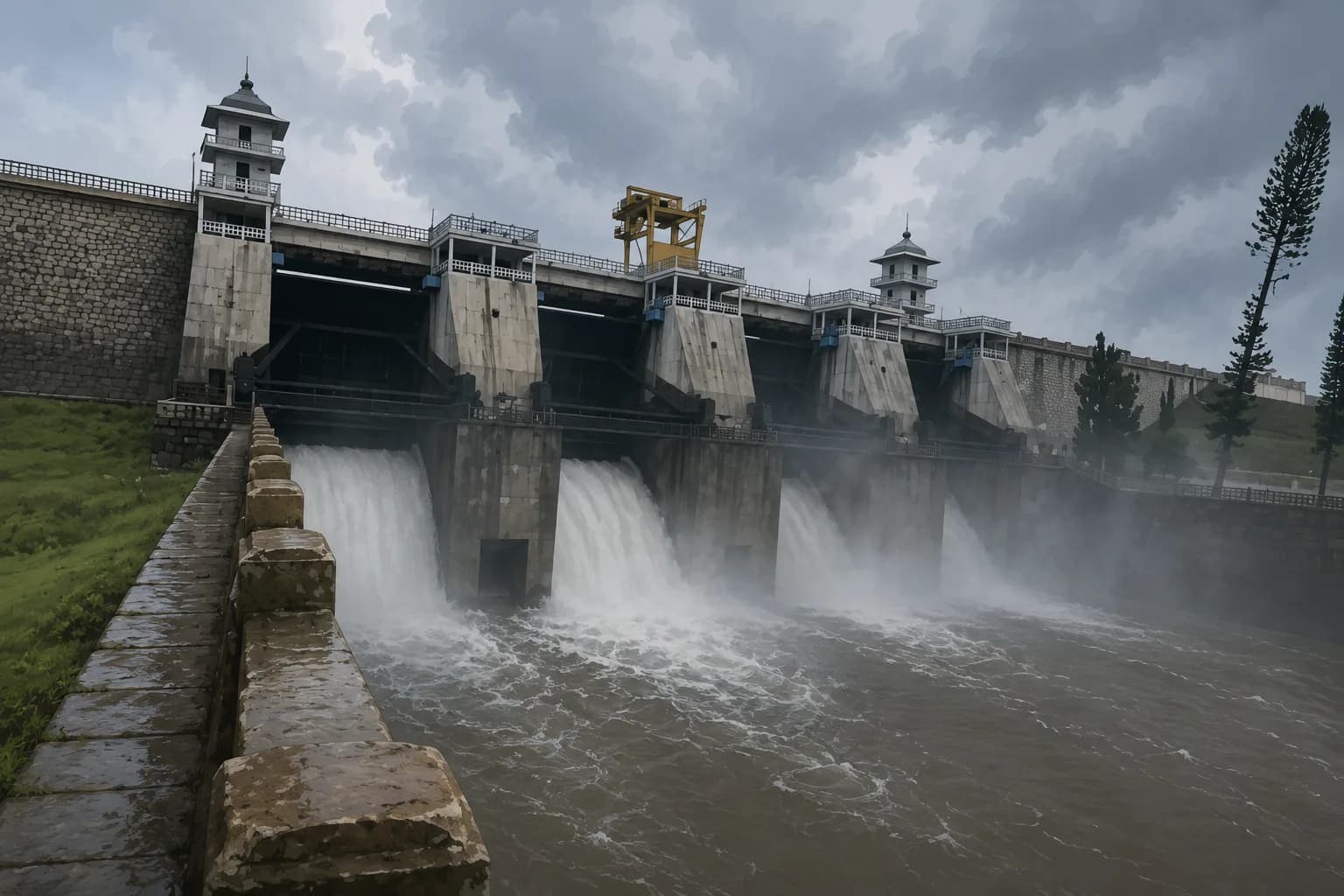
Chiklihole Dam has filled to its full reservoir level for the first time this year after continuous heavy rainfall in Kodagu. Surplus water is now flowing downstream into the Cauvery River, boosting river levels further across the basin. #ChikliholeDam #Cauvery #Kodagu… pic.twitter.com/1yzh5f7G1A
— Akshay Gowda (@akshay_gowda_pv) August 1, 2026
Every lean monsoon stirs the pot
Even with a tribunal award and a Supreme Court order, the dispute never truly disappeared. The reason is scarcity.
When reservoir levels fall, each side argues that it is being asked to give up water it needs for farmers and drinking water. That tension is visible again now.
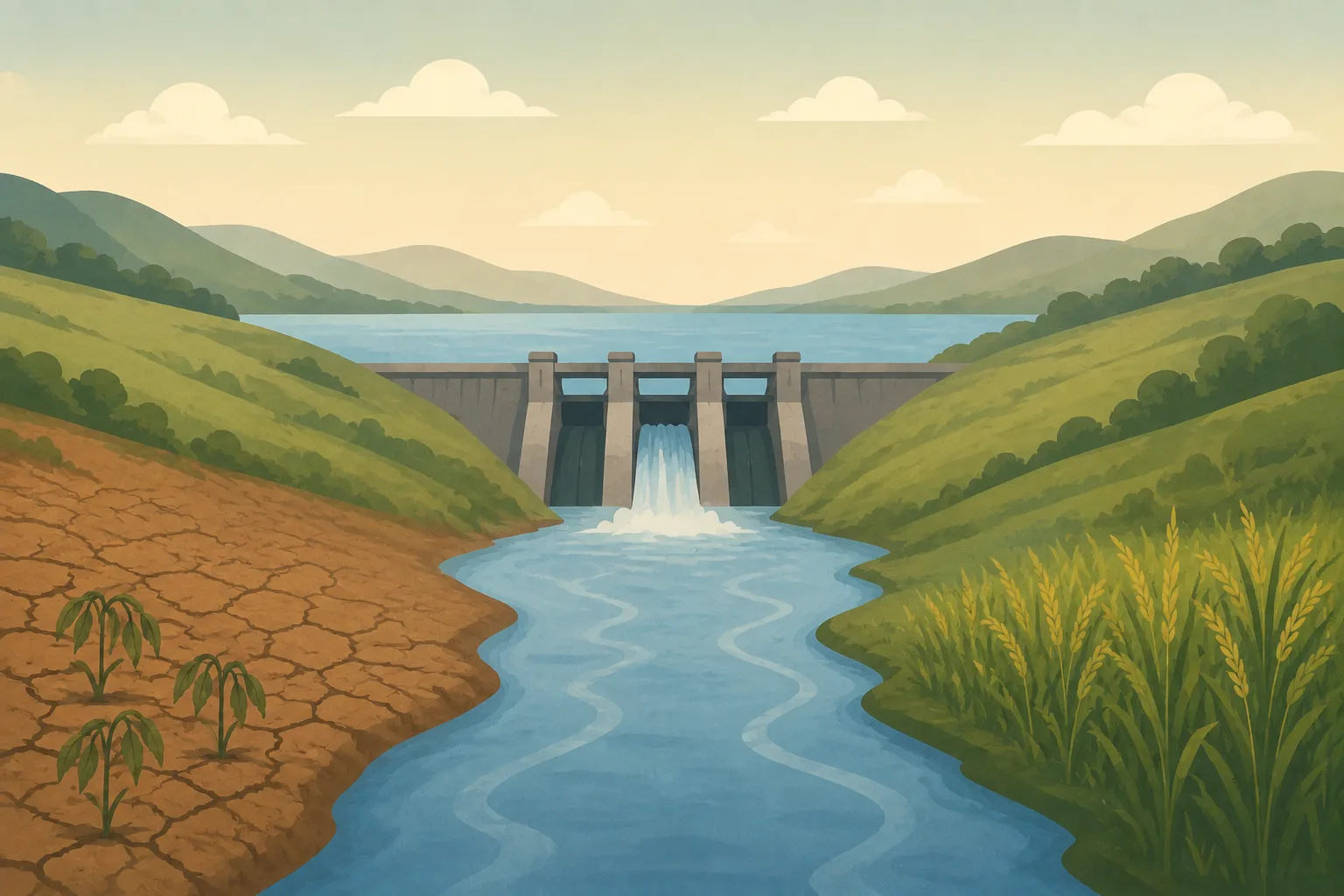
On July 30, 2026, the CWMA upheld the Cauvery Water Regulation Committee’s direction to Karnataka to release 3,500 cusecs a day to Tamil Nadu for 15 days, amounting to about 4 TMC.
Karnataka then filed an appeal.
An all-party meeting was called for August 2 to decide the next step.
Tamil Nadu delta #farmers protested in Tiruvarur condemning #Karnataka govt for refusing to release #Cauvery waters to Tamil Nadu despite Cauvery Water Management Authority directing to release 3500 cusecs for 15 days
— Antony Fernando (@AntoWrites) July 31, 2026
They cited loss of paddy in lakhs of acres without irrigation pic.twitter.com/jPXazW1GRA
Full reservoirs, fuller arguments?
The political temperature is high because the water question is tied to both irrigation and identity.
Karnataka Chief Minister D. K. Shivakumar has said the state must comply with court orders while also protecting farmers. He told reporters that “once a dam is full, water has to be released” and that it is “impossible to hold it back.”
Union Minister of State for Railways and Jal Shakti V Somanna also said Karnataka faces a severe shortage and that the all-party meeting would help decide the next course of action.
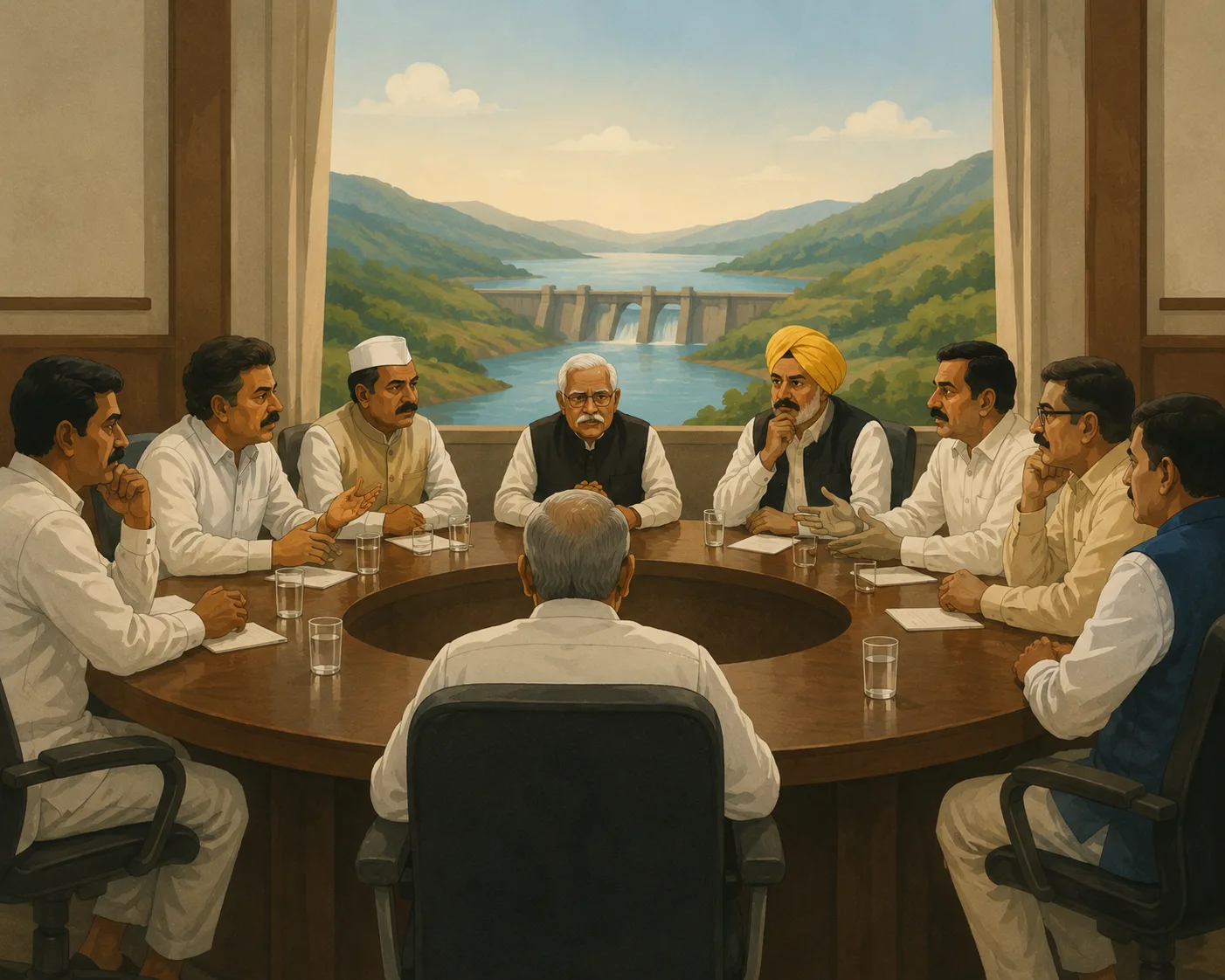
As of 8 am on Friday, the Krishna Raja Sagar (KRS) reservoir was at 92.85 feet, well below its full capacity of 124.8 feet. The reservoir recorded an inflow of 7,058 cusecs and an outflow of 1,706 cusecs, underscoring Karnataka’s argument that storage levels remain a key concern amid the ongoing water-sharing dispute.
Also Read | Kangana reacts to teen’s apology over PM Modi abuse: ‘Protect our children from evil feminazi’
FAQs
Q1: Why is the Cauvery water dispute between Karnataka and Tamil Nadu?
The dispute centres on how the Cauvery River’s water should be shared between the basin states, especially during years of low rainfall and water scarcity.
Q2: Who decides how Cauvery water is shared?
The sharing is governed by the Supreme Court’s 2018 judgment and monitored by the Cauvery Water Management Authority (CWMA) and the Cauvery Water Regulation Committee (CWRC).